

Sea Freight Transportation Company: Global Logistics Solutions for 2026
Finding a reliable sea freight transportation company is essential for businesses looking to scale their international operations effectively. In the current 2026 market, global trade demands efficient logistics to navigate complex supply chains and fluctuating costs. This comprehensive guide explores how to select the best partner for your ocean shipping needs while optimizing your transit times and overall expenditure. Whether you are importing consumer goods or industrial machinery, understanding the nuances of maritime transport will significantly impact your bottom line. We provide the expertise needed to manage your cargo from the factory floor to the final destination.

How Does a Sea Freight Transportation Company Compare to Other Shipping Options?
Modern businesses must constantly evaluate their shipping strategies to balance speed and cost. While sea freight remains the most popular choice for high-volume shipments, other methods offer specific advantages depending on the urgency and cargo type. Consequently, choosing the right mode of transport requires an objective analysis of all viable alternatives.
Air travel provides the fastest delivery but comes with a significantly higher price tag compared to ocean routes. For instance, shipping a standard 40HQ container via the ocean might cost $3,500, whereas the equivalent volume by Air Freight could exceed $20,000. Therefore, sea transport is typically the preferred method for goods that do not require immediate delivery.
Rail transport has emerged as a strong middle-ground option for shipments moving between China and Europe. Using Rail Freight can reduce transit times by up to 15 days compared to sea routes, though it is usually 30 to 50 percent more expensive. However, rail is not an option for routes to Australia or North America due to geographical constraints.
Hybrid solutions like sea-air combinations are also gaining traction in 2026 for businesses seeking a balance. These services involve shipping goods by sea to a major hub like Dubai or Singapore and then flying them to the final destination. This strategy offers a compromise between the low cost of ocean freight and the speed of air transport.
| Shipping Method | Cost Range | Transit Time | Best For |
|---|---|---|---|
| Sea Freight | $1,500 – $6,000 | 14-40 Days | Bulk and Heavy Cargo |
| Air Freight | $5,000 – $25,000 | 3-7 Days | Urgent High-Value Goods |
| Rail Freight | $2,500 – $4,500 | 18-25 Days | Mid-range China-Europe |
| Express Service | $8,000 – $30,000 | 2-5 Days | Small Parcels |
Understanding FCL vs LCL Shipping Methods
Full Container Load (FCL) Advantages
Full Container Load, or FCL, involves renting an entire container for your exclusive use. This method is highly efficient for large shipments that can fill a 20GP, 40GP, or 40HQ container. Furthermore, FCL shipments generally experience fewer delays because they do not require consolidation with other shippers’ goods at the port.
Security is another major benefit of choosing FCL through your sea freight transportation company. Since the container is sealed at the origin and only opened at the destination, the risk of damage or theft is significantly reduced. This makes it the ideal choice for fragile or high-value industrial equipment.
Less than Container Load (LCL) Flexibility
Less than Container Load (LCL) is the perfect solution for businesses that do not have enough cargo to fill a whole container. In this scenario, you only pay for the volume your goods occupy, measured in cubic meters (CBM). Indeed, LCL allows small and medium enterprises to participate in global trade without the burden of high inventory costs.
However, LCL shipments often have slightly longer transit times due to the consolidation and deconsolidation processes. Each shipment must be sorted at a Container Freight Station (CFS) both at the loading and discharge ports. Despite this, the cost savings for shipments under 15 CBM are often worth the additional few days in transit.
Why Choose a Sea Freight Transportation Company for Your 2026 Logistics?
Reliability in the shipping industry is paramount, especially as global markets face new challenges in 2026. A professional sea freight transportation company provides the infrastructure and carrier relationships necessary to ensure your cargo moves smoothly across borders. They manage everything from booking space on vessels to coordinating inland transportation.
Moreover, experienced providers offer advanced tracking technology that gives you real-time visibility into your supply chain. Knowing exactly where your container is located allows you to manage inventory levels and customer expectations more accurately. This transparency is a key differentiator in today’s competitive commercial landscape.
Cost optimization is another critical area where a dedicated logistics partner adds value. By leveraging their volume with major carriers like Maersk, MSC, and COSCO, they can secure better freight rates than individual shippers could obtain. They also help you avoid unnecessary fees such as demurrage and detention through proactive planning.
Key Factors Influencing Freight Rates in 2026
Several variables determine the final cost of shipping goods across the ocean. Fuel prices, often referred to as the Bunker Adjustment Factor (BAF), remain one of the most volatile components of freight pricing. Additionally, seasonal demand during the peak season from August to October can cause rates to spike by 20 percent or more.
Carrier capacity also plays a significant role in price fluctuations. When shipping lines blank sailings or reduce the number of available vessels, the decrease in supply naturally drives prices upward. Consequently, businesses should aim to book their shipments at least three to four weeks in advance to secure the best possible rates.
Port congestion and labor availability can further impact costs by causing delays. While major ports have invested in automation by 2026, occasional bottlenecks still occur during high-volume periods. A skilled logistics provider will monitor these trends and suggest alternative ports of entry to avoid costly holdups.
| Route | 20GP Range | 40HQ Range | Transit Time |
|---|---|---|---|
| China to USA West | $1,500-$2,200 | $2,800-$3,800 | 14-18 Days |
| China to Europe | $1,800-$2,500 | $3,000-$4,200 | 28-35 Days |
| China to Australia | $800-$1,200 | $1,400-$2,000 | 12-18 Days |
| China to UK | $2,000-$2,800 | $3,500-$4,500 | 30-38 Days |
The Importance of Customs Brokerage in Global Trade
Navigating the complexities of international trade regulations is a daunting task for any importer. This is where a professional Customs Brokerage service becomes indispensable. They ensure that all documentation, including the Bill of Lading, Commercial Invoice, and Packing List, complies with the specific requirements of the destination country.
Errors in customs filings can lead to significant fines, cargo seizures, or lengthy delays at the port. Furthermore, an expert broker can help you identify the correct Harmonized System (HS) codes for your products, which determines the duty rates you must pay. In many cases, proper classification can save your business thousands of dollars in overpaid duties.
Additionally, brokers stay updated on the latest trade agreements and tariff changes. As of 2026, new environmental regulations and trade policies have altered the landscape for many commodities. Having a partner who understands these shifts ensures that your supply chain remains compliant and cost-effective.
Simplifying Logistics with Door to Door Solutions
Many businesses today prefer a hands-off approach to logistics, which is why Door to Door services are so popular. This comprehensive solution covers every step of the journey, from picking up the goods at the factory in China to delivering them to your warehouse. It eliminates the need for you to coordinate with multiple truckers, warehouses, and agents.
Specifically, this service integrates ocean transport with inland trucking and last-mile delivery. Your sea freight transportation company acts as a single point of contact, simplifying communication and reducing the likelihood of logistical errors. This is particularly beneficial for Amazon FBA sellers who need to meet strict delivery windows at fulfillment centers.
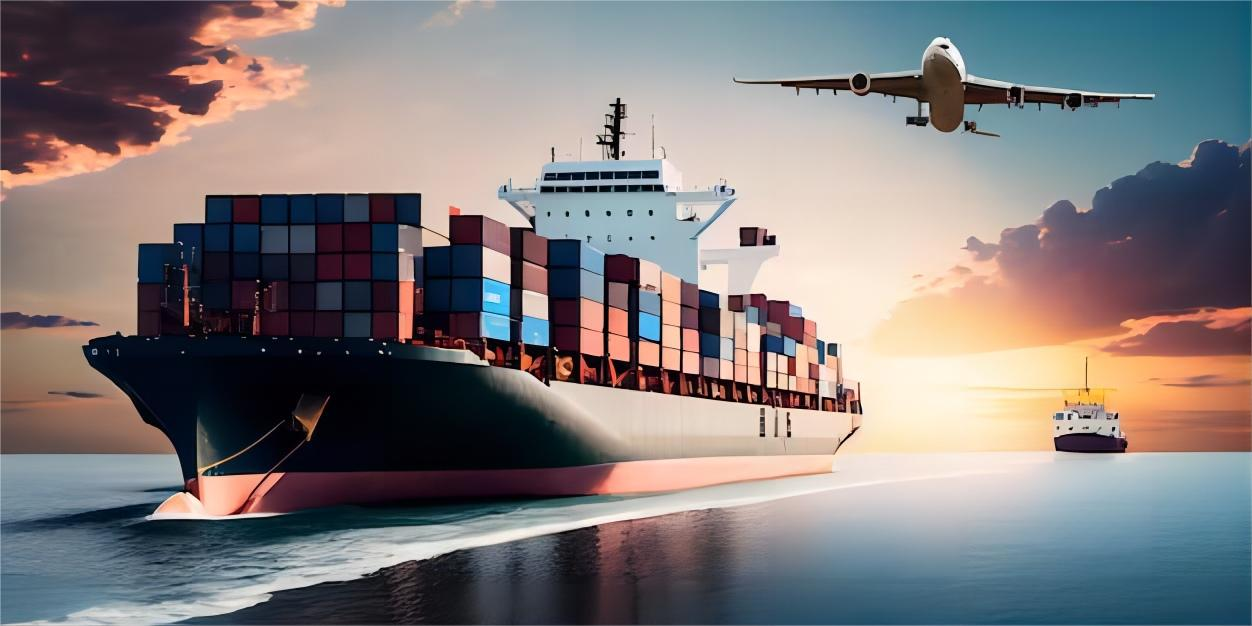
Ultimately, door-to-door shipping provides peace of mind by offering a fixed, all-inclusive price. You won’t have to worry about unexpected local charges at the destination port, as these are factored into the initial quote. This predictability allows for better financial planning and more accurate product pricing.
Strategic Routes: Shipping to North America, Europe, and Australia
The strategy for shipping varies significantly depending on the destination region. For shipments to North America, the choice between West Coast and East Coast ports depends on the final destination of the goods. West Coast ports like Los Angeles offer faster sea transit, while East Coast ports like Savannah are better for reaching the Atlantic states without expensive cross-country trucking.
Shipping to Europe often involves navigating the busy ports of Rotterdam, Hamburg, or Antwerp. These hubs offer excellent feeder connections to smaller ports across the continent. Meanwhile, routes to Australia are generally shorter, with direct services from major Chinese ports to Sydney, Melbourne, and Brisbane providing efficient access to the Oceanic market.
Market data suggests that freight rates to Australia remain some of the most competitive in the world due to the high volume of trade between the two regions. In contrast, Europe-bound shipments must account for the complexities of the Suez Canal and potential disruptions in the Red Sea. Regardless of the destination, a proactive logistics partner will help you choose the most stable and cost-effective route.
Realistic Case Studies for 2026
Case Study 1: High-Volume Electronics to the USA. Route: Shenzhen, China to Los Angeles, USA. Cargo: Consumer Electronics, 25 CBM. Container: 40HQ. Shipping Details: Carrier: COSCO, Port of Loading: Shenzhen, Port of Discharge: Los Angeles, Route: Direct. Cost Breakdown: Ocean Freight: $3,200, Origin Charges: $450, Destination Charges: $600, Customs: $1,200, Total Landed Cost: $5,450. Timeline: Booking to Loading: 3 days, Sea Transit: 16 days, Customs Clearance: 2 days, Total Door-to-Door: 21 days. Key Insight: Direct shipping saved 5 days compared to transshipment options, ensuring the product launch stayed on schedule.
Case Study 2: Industrial Parts to Europe. Route: Ningbo, China to Rotterdam, Netherlands. Cargo: Auto Parts, 8 CBM, 1200 kg. Container: LCL. Shipping Details: Carrier: Maersk, Port of Loading: Ningbo, Port of Discharge: Rotterdam, Route: Direct. Cost Breakdown: Ocean Freight: $640, Origin Charges: $200, Destination Charges: $350, Customs: $500, Total Landed Cost: $1,690. Timeline: Booking to Loading: 5 days, Sea Transit: 32 days, Customs Clearance: 3 days, Total Door-to-Door: 40 days. Key Insight: LCL was 40 percent cheaper than a full 20GP for this specific volume, maximizing profitability for the small business owner.
Case Study 3: Furniture to Australia. Route: Shanghai, China to Sydney, Australia. Cargo: Home Furniture, 15 CBM, 2000 kg. Container: 20GP. Shipping Details: Carrier: OOCL, Port of Loading: Shanghai, Port of Discharge: Sydney, Route: Direct. Cost Breakdown: Ocean Freight: $1,100, Origin Charges: $300, Destination Charges: $400, Customs: $600, Total Landed Cost: $2,400. Timeline: Booking to Loading: 4 days, Sea Transit: 14 days, Customs Clearance: 2 days, Total Door-to-Door: 20 days. Key Insight: Booking three weeks in advance during the Q3 peak season secured a rate 15 percent below the market average.
Note: Freight rates are subject to change based on fuel costs, carrier capacity, and seasonal demand. Contact us for a current quote tailored to your specific shipment.
Which Option Should You Choose? Decision Framework
Deciding on the best shipping method requires a clear understanding of your priorities. If your primary goal is budget optimization and you are shipping more than 15 CBM, then FCL sea freight is almost always the best choice. For smaller volumes, LCL provides the necessary flexibility without the high cost of a full container.
Speed priority dictates a different approach. If your goods must arrive within 10 days, you should consider air freight or an express service, despite the higher costs. However, if you have a 20-day window for a shipment to Europe, rail freight offers a compelling alternative that balances speed and budget effectively.
Cargo type also influences the decision. Perishable goods or high-fashion items with short shelf lives are better suited for air transport. Conversely, heavy machinery, raw materials, and durable consumer goods are the backbone of the sea freight industry. Always consult with your sea freight transportation company to determine the safest and most efficient method for your specific products.
Mastering Global Trade with the Right Logistics Partner
Successfully navigating the world of international shipping requires more than just booking a container. It demands a strategic partnership with a sea freight transportation company that understands the complexities of the 2026 market. By balancing cost, speed, and reliability, you can build a resilient supply chain that supports your business growth.
Indeed, the right provider will offer more than just transport; they provide the market intelligence and technical expertise needed to overcome global trade hurdles. From choosing between FCL and LCL to managing complex customs regulations, every decision matters. Start optimizing your logistics today to ensure your products reach your customers on time and within budget.
Need a tailored shipping solution?
Streamline your global supply chain today by partnering with a trusted sea freight transportation company. Our team of experts is ready to provide you with a customized quote and handle every detail of your international shipment. Visit our inquiry page to get started and experience the difference of professional logistics management. Send Inquiry: https://logisticsfromchina.com/contact-us/