
Global Sea Freight Shipping Company: 2026 International Logistics Guide
Finding a dependable global sea freight shipping company is essential for businesses navigating the complexities of international trade in 2026. This comprehensive guide explores how to optimize your supply chain while managing rising logistics costs and changing global regulations. We provide actionable insights into ocean freight strategies that ensure your cargo arrives safely and on schedule.
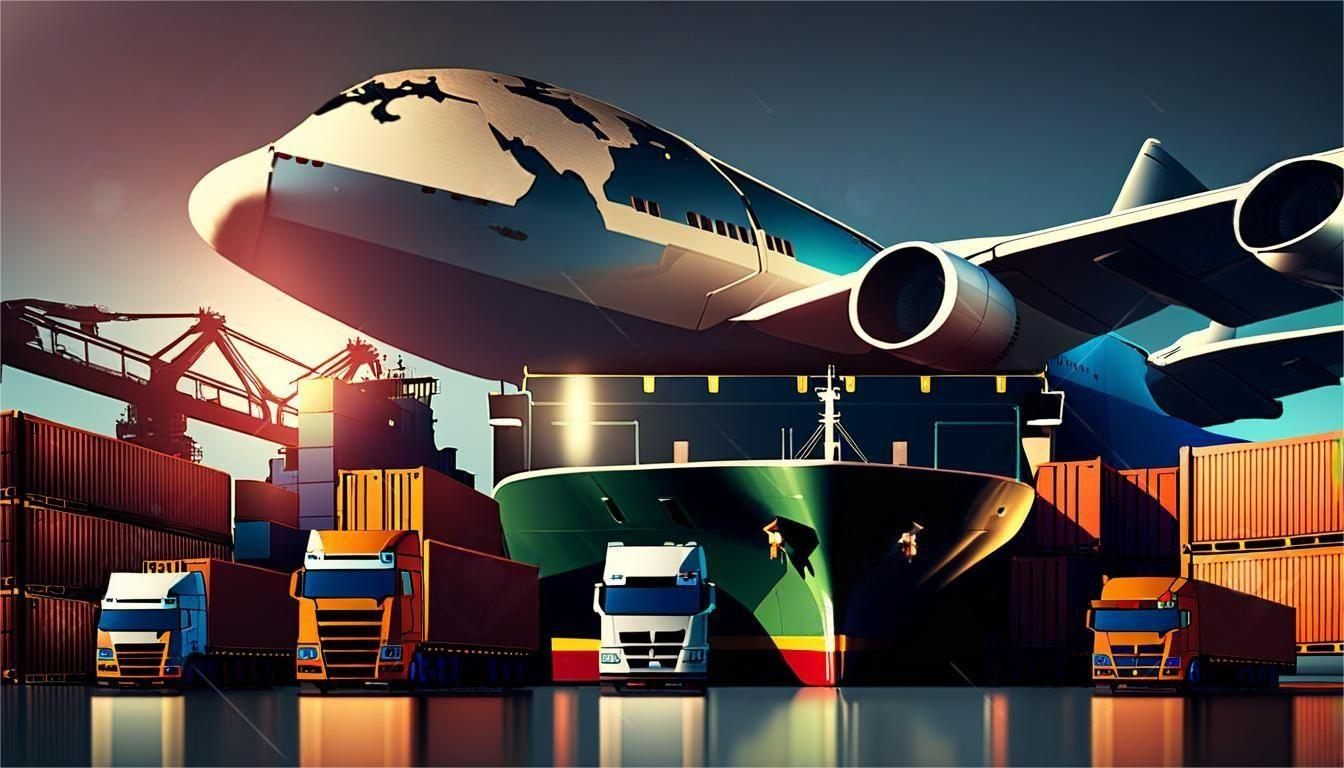
Why Choose a Global Sea Freight Shipping Company in 2026?
Selecting a professional partner for your international shipments remains the most cost-effective way to move large volumes of goods across the ocean. While other modes of transport exist, sea freight continues to dominate the global market due to its unparalleled capacity and lower carbon footprint per ton-mile.
Moreover, modern shipping companies have integrated advanced tracking technologies that allow for real-time visibility into your cargo movements. Consequently, businesses can better manage their inventory levels and provide accurate delivery estimates to their customers.
Ocean transport is particularly beneficial for bulky items, heavy machinery, and high-volume consumer goods that do not require the extreme speed of air transport. Therefore, companies looking to maintain a competitive edge in 2026 must leverage the infrastructure of established maritime carriers.
How Does Global Sea Freight Shipping Company Compare to Other Options?
Evaluating the different modes of transportation is a critical step in any logistics strategy. While sea freight is the most economical, air freight is significantly faster and more suitable for high-value or perishable items.
In contrast, rail freight offers a middle ground for shipments between China and Europe, providing faster transit than the sea at a lower cost than air. However, rail is not an option for routes to Australia or North America, making sea freight the primary choice for those destinations.
Additionally, businesses must consider the environmental impact and reliability of each method. Sea freight typically offers more stability in pricing compared to the volatile rates often seen in the air cargo sector.
| Shipping Method | Cost Range | Transit Time | Best For |
|---|---|---|---|
| Sea Freight | Low ($) | 20-45 Days | Bulk & Large Items |
| Air Freight | High ($$$) | 3-7 Days | Urgent & High Value |
| Rail Freight | Medium ($$) | 15-22 Days | Mid-range Urgency |
| Express Service | Highest ($$$$) | 2-5 Days | Small Parcels |
Understanding FCL and LCL Shipping Strategies
Choosing between Full Container Load (FCL) and Less than Container Load (LCL) is a fundamental decision for any importer. FCL is generally more secure and faster because the container is dedicated to a single shipper and does not require consolidation.
Specifically, for shipments exceeding 15 cubic meters, FCL usually becomes more cost-effective than LCL. On the other hand, LCL allows smaller businesses to share container space, making it possible to ship smaller volumes without paying for an entire container.
Despite the flexibility of LCL, it often involves more handling and longer transit times due to the consolidation and deconsolidation processes at the ports. Therefore, we recommend calculating the total landed cost for both options before making a final booking.
What Documents Are Required for Global Sea Freight?
Navigating international regulations requires a thorough understanding of the necessary paperwork to avoid costly delays at customs. A professional customs brokerage service can ensure that all documents are accurately prepared and submitted on time.
Essential documents include the Bill of Lading, Commercial Invoice, and Packing List, which serve as the foundation for any international shipment. Furthermore, certain products may require specific certificates of origin or safety data sheets depending on the destination country.
Errors in documentation are one of the leading causes of port storage fees and demurrage charges. Consequently, partnering with an experienced global sea freight shipping company is vital for maintaining a smooth supply chain.
| Document Name | Primary Purpose | Issued By | Importance |
|---|---|---|---|
| Bill of Lading | Title of Goods | Carrier | Critical |
| Commercial Invoice | Value Declaration | Shipper | Mandatory |
| Packing List | Cargo Details | Shipper | Mandatory |
| CO (Cert of Origin) | Tariff Benefits | Chamber of Commerce | Recommended |
Shipping Routes from China to Major Global Markets
North America remains a top destination for exports, with major ports like Long Beach and New York handling millions of containers annually. When shipping from China to North America, transit times can vary from 14 to 35 days depending on the specific port of entry.
Similarly, the trade lanes to the United Kingdom and continental Europe are vital for global commerce. These routes often transit through the Suez Canal, though alternative routes around the Cape of Good Hope are sometimes used during periods of regional instability.
Market data suggests that freight rates for these routes are influenced by seasonal demand, with peaks typically occurring before major holidays. Planning your shipments at least 4-6 weeks in advance can help secure better rates and guaranteed space on vessels.

Real-World Case Studies in Global Sea Freight
Examining actual shipping scenarios provides valuable context for understanding the costs and timelines involved in modern logistics. These examples reflect market conditions observed in early 2026 and highlight the importance of strategic planning.
Case Study 1: Electronics from Shenzhen to Los Angeles. A tech company shipped a 40HQ container of consumer electronics via a direct carrier service. The total sea transit time was 16 days, and the ocean freight cost was approximately $3,800. After adding origin and destination charges, the total landed logistics cost reached $5,200, with a door-to-door timeline of 24 days.
Case Study 2: Furniture from Ningbo to Hamburg. A retailer imported 12 CBM of furniture using LCL services to manage inventory flow. The shipment took 33 days at sea, costing $95 per CBM for freight. Including customs clearance and local delivery, the total cost was $2,150, and the entire process from booking to delivery took 42 days.
Which Option Should You Choose for Your Business?
Determining the best shipping method depends on your specific priorities regarding budget, speed, and cargo type. If your primary goal is cost reduction and you have flexible lead times, a global sea freight shipping company is your best partner.
However, if you are dealing with urgent stockouts or high-value electronics, a hybrid sea-air solution might offer the necessary speed without the full cost of air freight. Choosing the right strategy involves balancing the trade-offs between transit time and transportation expenses.
For shipments under 500kg, express services or air freight are often more practical than ocean transport. Once your cargo volume grows, transitioning to LCL and eventually FCL will significantly lower your per-unit shipping costs.
Navigating 2026 Market Trends and Freight Rates
Current market intelligence for 2026 shows that freight rates have stabilized following the volatility of previous years. Nevertheless, fuel surcharges and environmental compliance fees continue to influence the final pricing offered by ocean carriers.
Planning around the peak season, which usually runs from August to October, is essential for avoiding the 20% rate hikes common during this period. Additionally, the adoption of green fuels in the maritime industry is slowly beginning to impact pricing structures as carriers invest in sustainable technologies.
Successful importers stay informed about port congestion and labor negotiations that could affect transit times at major hubs. By maintaining a flexible supply chain, you can pivot between different ports or carriers to avoid localized bottlenecks.
The Benefits of Door-to-Door Logistics Services
Managing multiple vendors for trucking, shipping, and customs can be overwhelming for many businesses. Utilizing a door to door service simplifies the entire process by providing a single point of contact and one comprehensive invoice.
Professional logistics providers handle the pickup from the factory, the ocean voyage, and the final delivery to your warehouse. This integrated approach reduces the risk of communication gaps and ensures that your cargo moves efficiently through every stage of the journey.
High-quality providers also offer insurance and cargo tracking as part of their comprehensive service packages. Ultimately, investing in a full-service logistics solution allows you to focus on growing your business while the experts handle the shipping details.

How Does Sea Freight Compare to Other Shipping Options?
Objective analysis of all viable alternatives is necessary for making an informed logistics decision. While sea freight is the backbone of global trade, it is not always the perfect fit for every scenario.
For example, when shipping from China to Central Asia or Eastern Europe, rail freight can save up to two weeks compared to the sea route. Meanwhile, air freight remains the only viable option for ultra-urgent deliveries that must arrive within a week.
Note: Freight rates are subject to change based on fuel costs, carrier capacity, and seasonal demand. Contact us for a current quote tailored to your specific shipment.
| Method | Cost Range | Transit Time | Limitations |
|---|---|---|---|
| FCL Sea | $2,500 – $6,000 | 14-40 Days | Port Congestion |
| LCL Sea | $50 – $150/CBM | 20-50 Days | More Handling |
| Air Freight | $4 – $12/kg | 3-7 Days | High Cost |
| Rail Freight | $120 – $200/CBM | 15-25 Days | Geographic Limits |
Final Thoughts on Choosing a Global Sea Freight Shipping Company
In summary, navigating the world of international logistics requires a strategic approach and a reliable partner. A global sea freight shipping company provides the essential infrastructure needed to move goods efficiently across the globe while keeping costs manageable.
By understanding the differences between FCL and LCL, staying updated on documentation requirements, and monitoring market trends, you can build a resilient supply chain. Whether you are shipping to North America, Europe, or Australia, the right ocean freight strategy will support your long-term business growth.
Successful shipping in 2026 is about more than just finding the lowest price; it is about reliability, visibility, and expert support. Choose a partner that understands your unique needs and offers the comprehensive services required to succeed in today’s competitive global marketplace.
Need a tailored shipping solution?
Streamline your international trade with a trusted global sea freight shipping company today. Contact our team to receive a personalized quote and discover how our expert logistics solutions can optimize your supply chain in 2026. Visit our website to start your inquiry now.