

Sea Freight Cargo Tracking Provider: Top 2026 Solutions for Visibility
Navigating the complexities of global trade requires precision and absolute reliability from your Logistics From China partner. Selecting a high-quality sea freight cargo tracking provider ensures that you never lose sight of your valuable inventory during long maritime transits. Consequently, businesses can proactively manage their inventory levels and meet customer expectations with greater accuracy in today’s fast-paced market environment.
The Role of a Sea Freight Cargo Tracking Provider in 2026
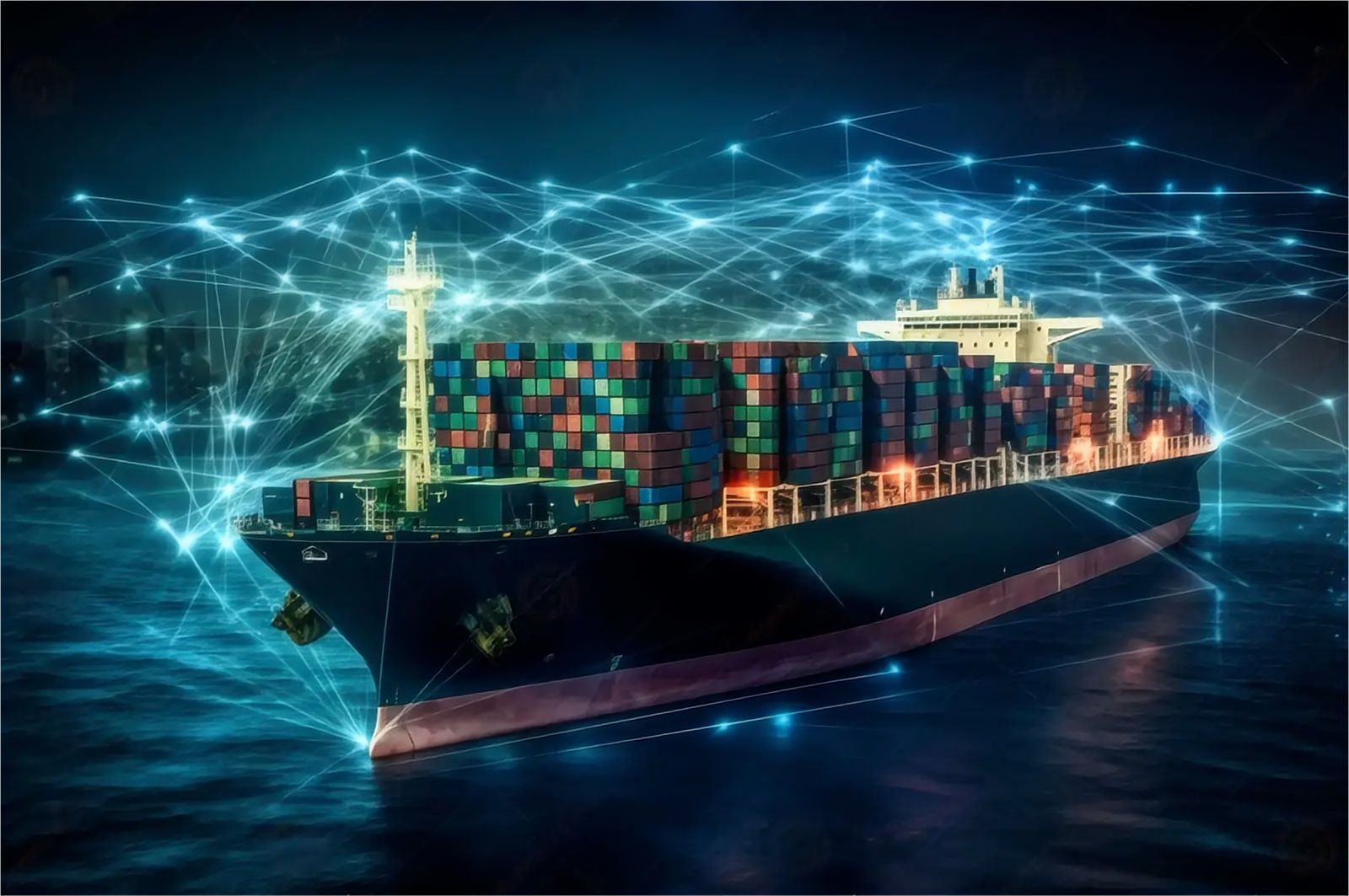
Modern supply chains demand more than just moving goods from point A to point B. Therefore, a specialized sea freight cargo tracking provider offers the digital infrastructure necessary to monitor shipments across thousands of miles. These providers utilize AIS data and satellite technology to give shippers precise coordinates of their vessels at any given moment.

Moreover, the integration of IoT sensors in 2026 has revolutionized how we view cargo safety. Shippers now receive alerts not just about location, but also regarding temperature, humidity, and shock. Consequently, this level of transparency reduces the risk of loss and allows for immediate intervention if issues arise during the voyage.
Indeed, having access to real-time data allows logistics managers to optimize their warehouse operations. When you know exactly when a vessel will dock, you can schedule labor and transport more efficiently. This strategic advantage is why leading companies prioritize tracking capabilities when selecting their freight forwarding partners.
How Does Sea Freight Compare to Other Shipping Options?
Choosing the right transport mode involves balancing budget constraints with delivery speed. While sea freight remains the most cost-effective method for large volumes, it is important to understand its alternatives. For instance, air freight offers unmatched speed but comes at a significantly higher price point.
Additionally, rail freight has become a popular middle-ground solution for shipments moving between China and Europe. However, for routes to Australia or North America, ocean transport remains the primary high-volume option. Understanding these trade-offs is essential for maintaining a healthy bottom line and ensuring timely delivery.
Specifically, companies often use a mix of methods to hedge against port congestion or seasonal delays. During the 2025 Red Sea disruptions, many shifted to hybrid sea-air models to maintain supply chain continuity. As we move through 2026, the flexibility to switch between modes based on tracking data is a key competitive advantage.
| Shipping Method | Cost Range | Transit Time | Best For |
|---|---|---|---|
| Sea Freight | $1,800 – $4,500 | 14 – 40 Days | Bulk & Heavy Goods |
| Air Freight | $8,000 – $25,000 | 3 – 7 Days | Urgent Electronics |
| Rail Freight | $3,000 – $6,500 | 18 – 25 Days | Mid-value Europe Cargo |
| Express Service | $12,000+ | 2 – 5 Days | Small Samples |
Why Real-Time Visibility Matters for Your Supply Chain
Visibility is the cornerstone of modern logistics management. Without a dedicated tracking system, your cargo enters a black hole the moment it leaves the port. Furthermore, lack of information leads to increased anxiety and potential financial penalties from downstream partners who expect precise arrival times.
Effective tracking also simplifies the customs brokerage process by providing accurate data for pre-filing. When customs officials have early access to shipment details, the likelihood of inspections and delays decreases significantly. Consequently, your goods move through the port of discharge much faster than untracked shipments.
Similarly, data analytics provided by tracking platforms help identify bottlenecks in your shipping lanes. By analyzing historical transit times, you can choose carriers that consistently meet their delivery schedules. This data-driven approach transforms logistics from a reactive task into a proactive strategic function.
Case Study 1: Electronics from Shenzhen to Long Beach
Case Study 1: Consumer Electronics Distribution ——————————————————— Route: Shenzhen, China to Long Beach, USA Cargo: Smartphone Accessories, 28 CBM, 12,500 kg Container: 40GP Shipping Details: – Carrier/Service: COSCO Direct – Port of Loading: Shenzhen – Port of Discharge: Long Beach – Route Type: Direct Cost Breakdown: – Ocean Freight: $3,200 – Origin Charges: $450 – Destination Charges: $600 – Customs and Duties: $1,200 – Total Landed Cost: $5,450 Timeline: – Booking to Loading: 3 days – Sea Transit: 16 days – Customs Clearance: 2 days – Total Door-to-Door: 21 days Key Insight: Using a direct route saved 5 days compared to transshipment options, which was critical for a product launch. ———————————————————
Selecting a door to door service for this shipment allowed the client to focus on sales rather than logistics. Because the tracking was integrated, the client knew exactly when to dispatch their local delivery trucks. Consequently, they avoided expensive demurrage and detention fees at the port.
Case Study 2: Fashion Goods from Ningbo to Europe
Case Study 2: Seasonal Apparel Logistics ——————————————————— Route: Ningbo, China to Rotterdam, Netherlands Cargo: Summer Apparel, 15 CBM, 4,000 kg Container: LCL (Less than Container Load) Shipping Details: – Carrier/Service: Maersk via Singapore – Port of Loading: Ningbo – Port of Discharge: Rotterdam – Route Type: Transshipment via Singapore Cost Breakdown: – Ocean Freight: $1,100 – Origin Charges: $300 – Destination Charges: $550 – Customs and Duties: $900 – Total Landed Cost: $2,850 Timeline: – Booking to Loading: 4 days – Sea Transit: 34 days – Customs Clearance: 3 days – Total Door-to-Door: 41 days Key Insight: LCL was more economical for this volume, but required careful tracking during the transshipment in Singapore to ensure the cargo made the connecting vessel. ———————————————————
Shipping to Europe often involves complex transshipment points. Therefore, monitoring the cargo during its stay in intermediate ports is vital. If a container misses its connection, a proactive provider will immediately notify the shipper and arrange the next available departure.
Which Option Should You Choose? Decision Framework
Determining the best shipping strategy depends on your specific priorities. If your primary goal is budget optimization, FCL (Full Container Load) via sea freight is almost always the winner. However, if you are shipping smaller quantities for Amazon FBA, LCL or even express services might be more appropriate.
Moreover, consider the nature of your cargo. High-value items like electronics benefit from the security and speed of air freight, whereas low-margin bulk goods require the low cost of ocean transport. Always weigh the cost of the freight against the potential loss of sales if the goods arrive late.
Finally, evaluate the reliability of the tracking provider. A system that only updates once every three days is insufficient for high-stakes shipments. Look for providers that offer automated alerts and API integration with your existing ERP software.

Essential Documentation for Global Cargo Monitoring
Accurate documentation is the foundation of effective tracking. If the paperwork is incorrect, the physical location of the cargo becomes irrelevant because it will be stuck in port. Furthermore, digital documentation has become the standard in 2026, allowing for faster processing and fewer errors.
Specifically, the Bill of Lading (BOL) acts as the primary tracking document. It contains the container number and vessel details needed to query tracking databases. Ensuring this document is issued quickly after sailing is a hallmark of a professional logistics provider.
Additionally, the packing list and commercial invoice must match the physical cargo exactly. Discrepancies lead to customs holds, which can add weeks to your transit time. Therefore, meticulous attention to detail during the documentation phase is just as important as the shipping itself.
| Document | Purpose | Required By | Format |
|---|---|---|---|
| Bill of Lading | Title of Goods | Carrier/Customs | Digital/Paper |
| Commercial Invoice | Valuation | Customs | Digital |
| Packing List | Cargo Detail | Warehouse/Customs | Digital |
| Certificate of Origin | Duty Calculation | Customs | Digital |
Market Trends and 2026 Freight Rate Forecasts
As of early 2026, freight rates have stabilized across major lanes following the volatility of previous years. According to industry benchmarks, the average cost for a 40HQ container from China to the US West Coast sits between $3,200 and $4,000. This stability allows for better long-term budgeting and strategic planning.
However, seasonal fluctuations still play a significant role. Rates typically increase by 15-20% during the peak season from August to October. Consequently, savvy shippers book their capacity months in advance to avoid price spikes and space shortages.
Market data suggests that the adoption of green fuels is also beginning to influence pricing. While eco-friendly shipping options carry a small premium, many corporations are choosing them to meet sustainability goals. Understanding these trends helps you negotiate better contracts with your sea freight cargo tracking provider.
| Route | 20GP Range | 40GP Range | 40HQ Range |
|---|---|---|---|
| China to USA West | $1,800 – $2,400 | $2,800 – $3,600 | $3,200 – $4,000 |
| China to Europe | $2,000 – $2,800 | $3,200 – $4,200 | $3,500 – $4,500 |
| China to Australia | $900 – $1,300 | $1,400 – $1,900 | $1,600 – $2,200 |
| China to UK | $2,100 – $2,900 | $3,300 – $4,300 | $3,600 – $4,600 |
Optimizing Your Logistics with a Sea Freight Cargo Tracking Provider
In conclusion, the success of your international trade operations depends heavily on the quality of information you receive. By partnering with a dedicated sea freight cargo tracking provider, you eliminate uncertainty and gain the data needed to make informed business decisions. Whether you are shipping electronics to the USA or apparel to Europe, real-time visibility is no longer a luxury but a necessity.
Ultimately, the goal is to create a seamless flow of goods that supports your business growth. Utilize the comparisons and case studies provided here to refine your shipping strategy for the remainder of 2026. Remember that the right tracking solution does not just watch your cargo; it protects your reputation and your bottom line.
Need a tailored shipping solution?
Streamline your global logistics today with a professional sea freight cargo tracking provider. Contact us to receive a personalized quote and gain full visibility over your 2026 shipments. Send Inquiry: https://logisticsfromchina.com/