

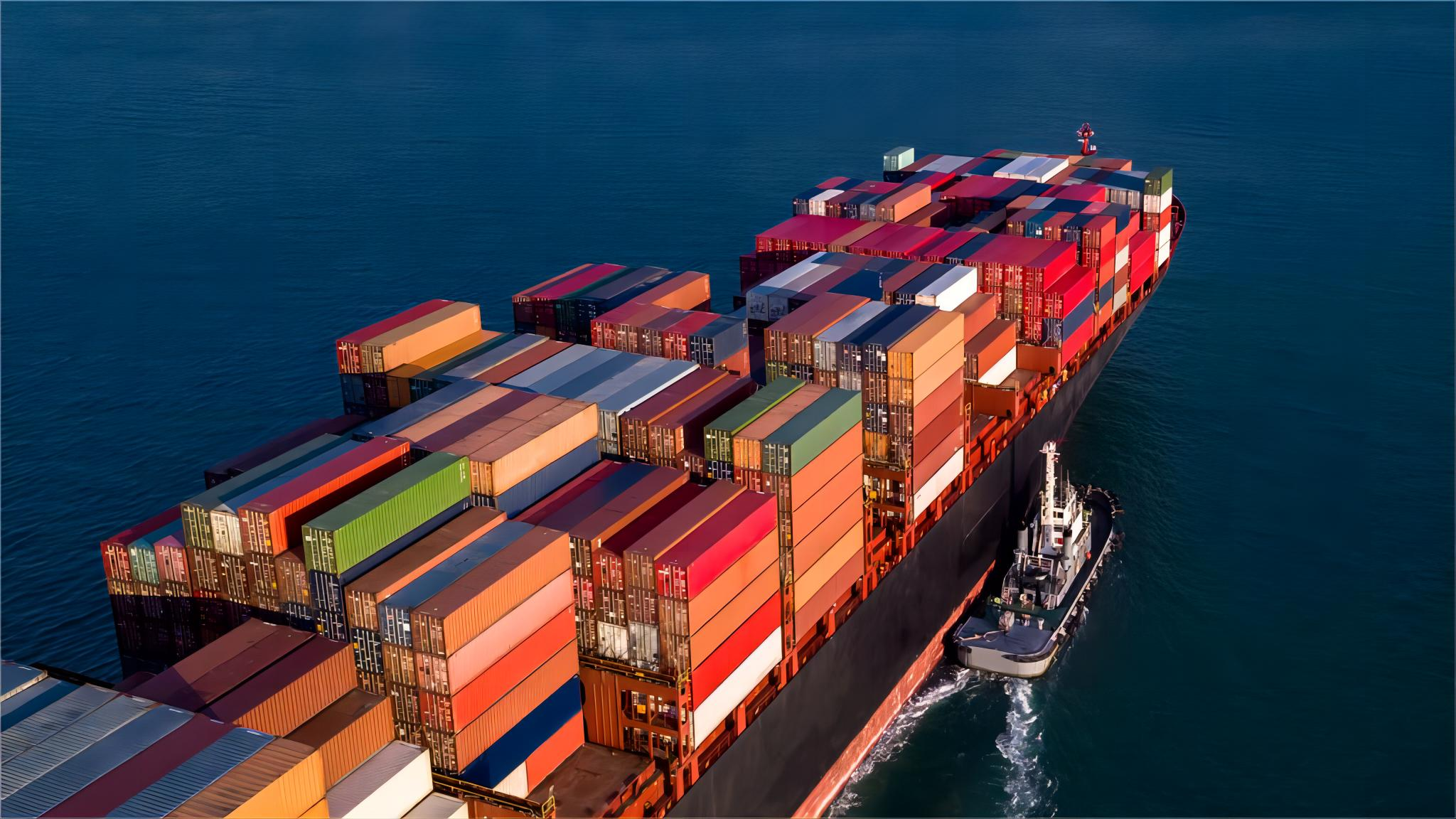
Logisticsfromchina Sea Freight: The Ultimate 2026 Shipping Guide
Developing a robust supply chain requires a deep understanding of global transport dynamics and reliable partnerships. At Logistics From China, we provide the expertise needed to navigate complex international waters efficiently. This comprehensive guide explores how logisticsfromchina sea freight remains the most cost-effective solution for moving large volumes of cargo in 2026. Whether you are a small business owner or a logistics manager for a multinational corporation, understanding these ocean shipping fundamentals is essential for maintaining a competitive edge.
What Makes Logisticsfromchina Sea Freight the Optimal Choice?
Choosing the right transportation method significantly impacts your bottom line and delivery schedules. Ocean transport offers unparalleled capacity for heavy and bulky items that are otherwise too expensive to move by air. Consequently, businesses often prioritize this method to maintain healthy profit margins on high-volume goods.
Moreover, modern maritime technology in 2026 has improved transit reliability and real-time tracking capabilities. Shipping lines have optimized routes to reduce fuel consumption while maintaining consistent schedules despite global economic shifts. Indeed, the cost-per-unit advantage of sea freight remains unmatched for long-distance international trade.
Furthermore, environmental considerations are becoming a primary driver for logistics decisions in the current market. Maritime shipping produces significantly lower carbon emissions per ton of cargo compared to air transport. Therefore, integrating ocean freight into your strategy helps meet corporate sustainability goals without sacrificing operational efficiency.
Understanding FCL and LCL Shipping Options
Full Container Load (FCL) provides the most security and speed for large shipments that can fill an entire 20-foot or 40-foot container. This option is ideal for businesses with enough inventory to justify the cost of the whole unit. Furthermore, FCL shipments generally face fewer handling risks because the container remains sealed from the point of origin to the final destination.
On the other hand, Less than Container Load (LCL) allows multiple shippers to share space within a single container. This is a perfect solution for smaller businesses that do not have enough cargo to fill a full unit but still want to benefit from ocean shipping rates. However, keep in mind that LCL shipments often require more time for consolidation at the port of loading.
Meanwhile, pricing for these options depends on the volume and weight of your cargo. For shipments exceeding 15 cubic meters, switching from LCL to FCL often results in lower overall costs. Accordingly, we recommend analyzing your monthly shipping volumes to determine which method offers the best return on investment.
How Does Sea Freight Compare to Other Shipping Options?
Evaluating alternative methods is crucial for building a flexible and resilient supply chain. While ocean transport is the most economical, it is not always the fastest way to move goods from China to global markets. For instance, air freight provides rapid delivery but at a significantly higher price point.
Additionally, rail freight has emerged as a middle-ground solution for shipments moving from China to Europe. It offers faster transit times than the sea but is more affordable than air. Nevertheless, sea freight remains the dominant choice for shipments to North America and Australia where land routes are not an option.
In contrast, express services are best suited for small parcels and urgent documents. To help you decide, we have compiled a comparison of the primary shipping methods available in 2026.
| Sea Freight | Low ($1,500 – $6,000) | 15 – 45 Days | Bulk / Large Goods |
| Air Freight | High ($5 – $12 per kg) | 3 – 7 Days | Urgent / High Value |
| Rail Freight | Medium ($2,500 – $4,500) | 15 – 22 Days | China to Europe |
| Express | Very High ($15+ per kg) | 2 – 5 Days | Small Parcels |
Key Factors Affecting Sea Freight Rates in 2026
Market volatility continues to influence international shipping costs even as we move through 2026. Fuel surcharges remain a significant variable as the industry transitions toward greener energy sources. Consequently, shippers must stay informed about monthly rate adjustments to avoid unexpected budget overruns.
Seasonal demand also plays a critical role in pricing structures throughout the year. For example, the pre-Lunar New Year rush and the Q4 holiday peak often see rates increase by 20% or more. Therefore, booking your space at least 3-4 weeks in advance is highly recommended during these high-traffic periods.
Note: Freight rates are subject to change based on fuel costs, carrier capacity, and seasonal demand. Contact us for a current quote tailored to your specific shipment.
Essential Documentation and Customs Brokerage
Navigating the legal requirements of international trade is often the most challenging aspect of logistics. Accurate documentation is vital to prevent costly delays at both the port of loading and the port of discharge. For instance, a missing Bill of Lading or an incorrectly filled Commercial Invoice can result in significant storage fees.
Additionally, working with a professional customs brokerage service ensures that your cargo complies with all local regulations. They handle the complexities of tariff classifications and duty payments on your behalf. As a result, your goods move through the border with minimal friction.
Furthermore, specific products may require additional permits or certificates of origin depending on the destination country. Without a doubt, proactive preparation of these documents is the best way to ensure a smooth delivery schedule.
Real-World Case Studies: Sea Freight Success Stories
Examining real scenarios helps illustrate the practical application of different shipping strategies. Below are three examples based on market data from early 2026.
Case Study 1: Electronics to the United Kingdom. Route: Shenzhen to Felixstowe. Cargo: Consumer electronics, 68 CBM. Container: 40HQ. Shipping Details: Direct service via major carrier. Cost Breakdown: Ocean Freight $3,800, Origin Charges $450, Destination Charges $600, Customs $1,200. Total Landed Cost: $6,050. Timeline: 34 days total door-to-door. Key Insight: Direct routing saved 6 days compared to transshipment options.
Case Study 2: Furniture to the USA West Coast. Route: Ningbo to Los Angeles. Cargo: Wooden furniture, 25 CBM. Container: 20GP. Shipping Details: Direct service. Cost Breakdown: Ocean Freight $2,100, Origin Charges $300, Destination Charges $500, Customs $850. Total Landed Cost: $3,750. Timeline: 18 days total door-to-door. Key Insight: Booking 4 weeks early during the peak season secured a rate 15% below the market average.
Case Study 3: Automotive Parts to Australia. Route: Shanghai to Melbourne. Cargo: Spare parts, 5 CBM. Method: LCL. Shipping Details: Consolidated shipment. Cost Breakdown: Ocean Freight $450, Origin Charges $150, Destination Charges $250, Customs $400. Total Landed Cost: $1,250. Timeline: 22 days total door-to-door. Key Insight: LCL was significantly more cost-effective than FCL for this specific volume.
Which Shipping Option Should You Choose?
Deciding on a shipping method requires a careful balance of budget, speed, and cargo requirements. If your primary goal is cost reduction and your timeline is flexible, sea freight is almost always the winner. However, if you are restocking a popular item that has sold out, the speed of air transport might justify the higher expense.
Consider hybrid solutions like sea-air when you need a compromise between the two. This involves shipping goods by sea to a hub like Dubai or Singapore and then flying them to the final destination. In addition, always evaluate the total landed cost rather than just the initial freight quote.
For those managing online retail operations, utilizing Amazon FBA logistics services can streamline the final mile. This ensures that once your sea freight arrives, it is quickly processed and distributed to customers. Consequently, choosing the right framework depends entirely on your specific business objectives.
Maximizing Efficiency with Door to Door Services
Managing multiple vendors for trucking, shipping, and customs can be overwhelming for many importers. Implementing a door to door strategy simplifies the entire process by providing a single point of contact. This comprehensive approach covers everything from the factory pickup in China to the final delivery at your warehouse.
Moreover, this method reduces the risk of communication gaps between different service providers. When one company manages the entire journey, they can better coordinate transitions between the sea leg and inland transport. Therefore, you spend less time managing logistics and more time growing your business.
Finally, door to door services often provide more predictable pricing structures. Instead of receiving multiple invoices for different segments of the trip, you get a consolidated quote. Indeed, this transparency is invaluable for accurate financial planning and inventory management.
Conclusion
In summary, logisticsfromchina sea freight remains the cornerstone of global trade for businesses seeking a balance of capacity and cost. By understanding the differences between FCL and LCL, staying informed on 2026 market trends, and preparing documentation carefully, you can significantly reduce shipping headaches. Remember that the cheapest option is not always the best if it leads to delays or damaged goods.
Partnering with a reliable freight forwarder allows you to leverage industry expertise and established carrier relationships. Whether you are shipping to Europe, North America, or Australia, a strategic approach to ocean freight will drive your business forward. Start planning your 2026 shipments today to ensure your cargo moves efficiently across the globe.
Get Your Shipping Quote Today
Ready to optimize your supply chain with logisticsfromchina sea freight solutions? Contact our team of experts today for a personalized quote and professional guidance on your next shipment. Visit our website to send an inquiry and let us handle the complexities of your international logistics. Send Inquiry: Visit logisticsfromchina.com
Request Quote