

Logisticsfromchina Ocean Freight: 2026 Comprehensive Shipping Guide
Navigating the complexities of international trade requires a deep understanding of logisticsfromchina ocean freight to ensure your supply chain remains resilient and cost-effective. At Logistics From China, we provide expert guidance and tailored solutions to help businesses manage their maritime shipments with absolute precision. This guide explores the evolving landscape of sea transport in 2026, offering actionable insights for importers looking to maximize efficiency and minimize overhead costs.
✦
What is Logisticsfromchina Ocean Freight?
Understanding the core mechanics of sea freight is essential for any business sourcing products from Asian manufacturing hubs. Therefore, we define this service as the primary method of transporting large volumes of goods across international waters using specialized cargo vessels. This approach remains the most economical choice for heavy or bulky items that do not require the rapid speed of air transport.
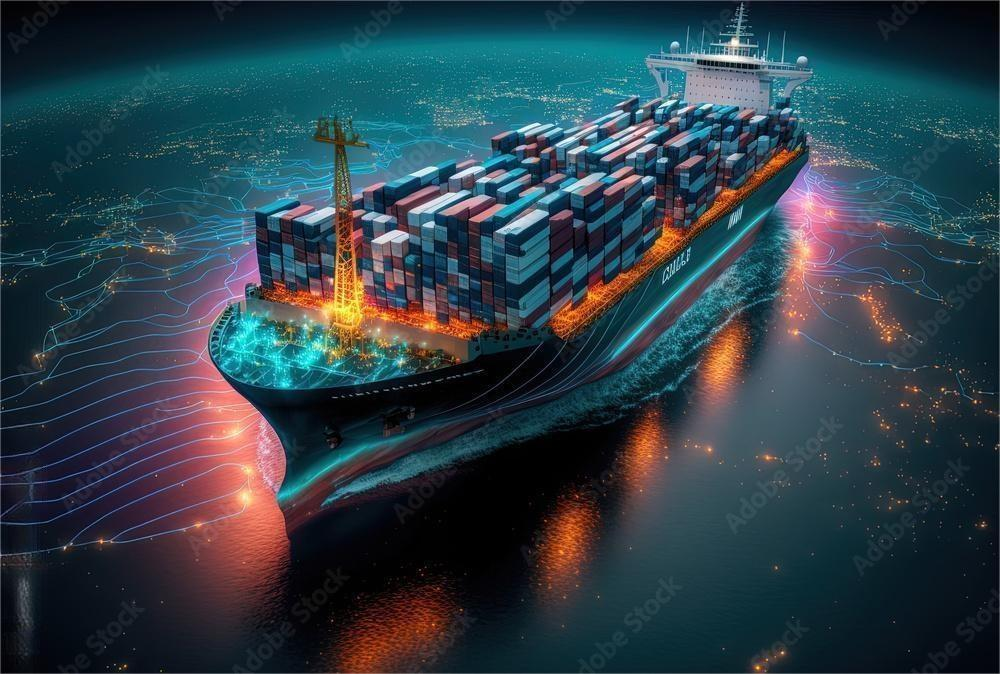
Moreover, the maritime industry has seen significant technological advancements in 2026, allowing for better tracking and more efficient fuel usage. Consequently, companies can now enjoy higher visibility into their shipments while benefiting from lower carbon footprints compared to previous decades. Specifically, our team leverages these innovations to provide real-time updates and more predictable delivery schedules for every client.
FCL vs LCL: Choosing the Right Container Strategy
Selecting between Full Container Load (FCL) and Less than Container Load (LCL) is a critical decision that impacts both your budget and your timeline. For instance, FCL is ideal for large shipments that occupy an entire 20-foot or 40-foot container, offering faster transit because the vessel does not need to stop for consolidation. On the other hand, LCL allows smaller businesses to share container space, making it a flexible and budget-friendly option for shipments under 15 cubic meters.
Importers often utilize Amazon FBA services to manage their inventory, where choosing the right container type can significantly reduce landed costs. Additionally, we recommend calculating your total volume accurately before booking to avoid unnecessary surcharges. Indeed, our experts frequently help clients optimize their packing strategies to ensure every cubic inch of space is utilized effectively.
| Route | 20GP Container | 40HQ Container | LCL per CBM |
|---|---|---|---|
| China to USA West | $1,600 – $2,300 | $2,900 – $3,900 | $45 – $75 |
| China to Europe | $1,900 – $2,600 | $3,100 – $4,300 | $55 – $85 |
| China to Australia | $850 – $1,250 | $1,500 – $2,100 | $35 – $60 |
| China to UK | $2,100 – $2,900 | $3,600 – $4,600 | $60 – $90 |
How Does Logisticsfromchina Ocean Freight Compare to Other Shipping Options?
Global logistics offers multiple pathways, yet ocean freight remains the backbone of international commerce due to its massive capacity. While air freight provides unmatched speed for urgent cargo, it often costs five to ten times more than sea transport. Furthermore, rail freight serves as a middle ground for land-locked routes, though it is not a viable option for shipments destined for Australia or the Americas.
Although sea transit takes longer, the ability to ship hazardous materials and oversized machinery makes it indispensable for many industries. In contrast, express services are perfect for documents and small parcels but become prohibitively expensive for commercial inventory. Therefore, most savvy importers plan their inventory cycles 3 to 4 months in advance to take full advantage of maritime cost savings.
| Method | Cost Range | Transit Time | Best For |
|---|---|---|---|
| Ocean Freight | Low | 25-45 Days | Bulk / Heavy Goods |
| Air Freight | High | 3-7 Days | High-Value / Urgent |
| Rail Freight | Medium | 15-22 Days | China to Europe |
| Express | Very High | 2-5 Days | Samples / Small Parcels |
Key Factors Affecting 2026 Shipping Costs
Traditionally, freight rates fluctuate based on seasonal demand, with the highest prices typically occurring between August and October. Moreover, fuel surcharges and port congestion fees can suddenly increase the total price of your shipment. Because the maritime market in 2026 is influenced by global energy shifts, staying informed about current trends is vital for accurate budgeting.
Similarly, the choice of port can impact your final invoice, as major hubs like Shanghai or Shenzhen often offer more competitive rates than smaller regional ports. Nevertheless, local trucking costs from the factory to the port must also be considered in your total landed cost calculation. To summarize, a comprehensive quote should always include origin charges, ocean freight, and destination fees to avoid hidden surprises.
Standard Transit Times from China to Global Destinations
Shipping durations vary significantly depending on the specific route and the efficiency of the carrier involved. For example, a direct vessel from Ningbo to Los Angeles might arrive in 14 to 18 days, whereas a shipment to New York via the Panama Canal could take 30 to 35 days. Meanwhile, routes to European ports like Rotterdam or Hamburg usually require 30 to 38 days due to the distance and potential transshipment stops.
Importers must also account for the time required for booking, loading, and customs clearance at both ends of the journey. Consequently, we advise adding a buffer of at least 7 to 10 days to your expected delivery schedule to handle unforeseen port delays. Without a doubt, clear communication with your freight forwarder is the best way to manage expectations regarding arrival dates.
Essential Documentation for Seamless Customs Clearance
Additionally, the success of your logisticsfromchina ocean freight shipment depends heavily on the accuracy of your paperwork. Utilizing a professional customs brokerage service ensures that all commercial invoices, packing lists, and bills of lading comply with international regulations. Failure to provide correct documentation can lead to expensive storage fees and lengthy inspections at the port of entry.
Efficiency in customs processing is further enhanced when you provide a detailed Harmonized System (HS) code for every product in your shipment. Indeed, local authorities in 2026 have implemented stricter digital filing requirements, making it more important than ever to have your digital records organized. Specifically, ensure your Certificate of Origin is valid if you intend to claim preferential duty rates under specific trade agreements.
Door-to-Door vs Port-to-Port Services
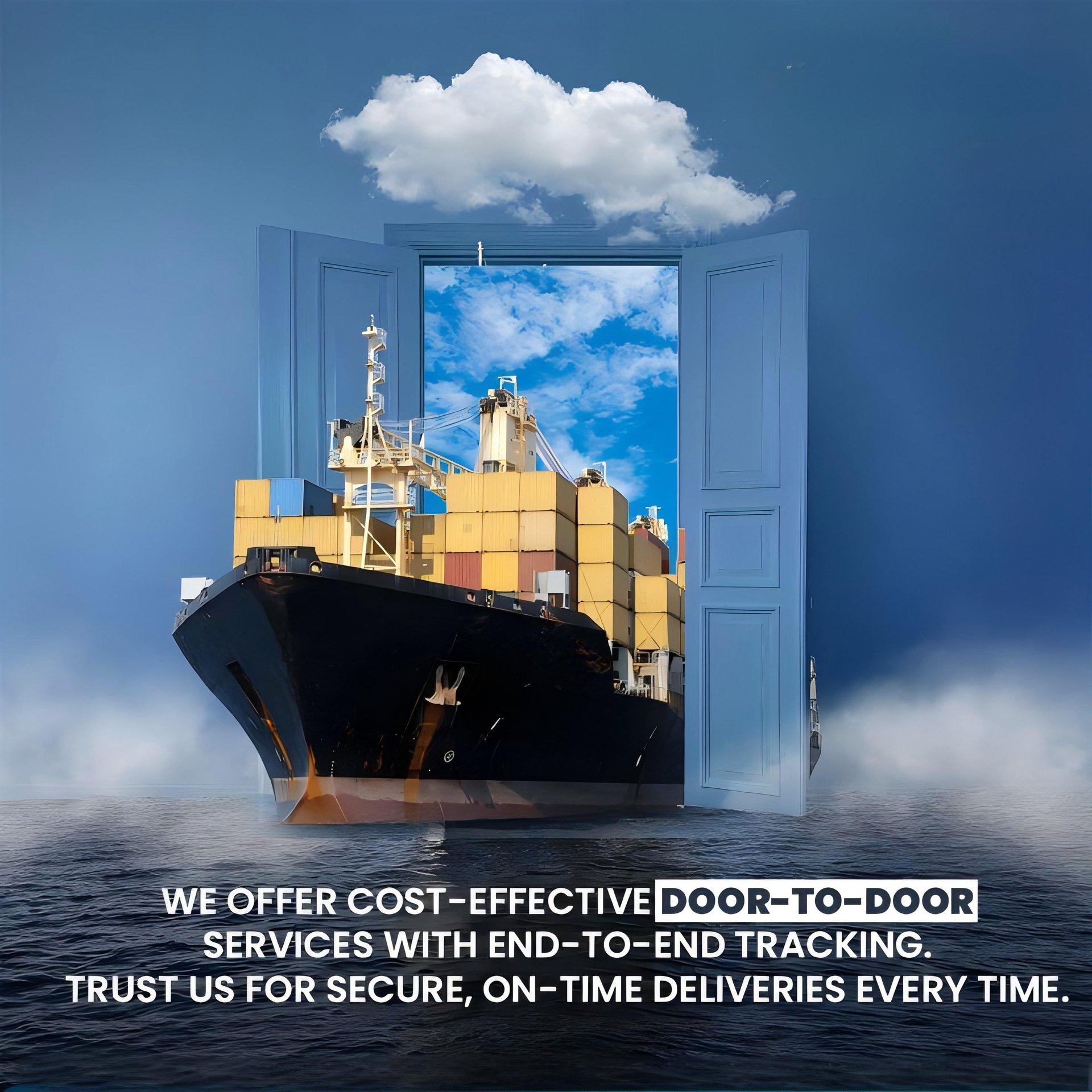
While port-to-port shipping appears cheaper on paper, it requires the importer to manage all local logistics at both the origin and destination. Furthermore, door to door services provide a seamless experience where the forwarder handles everything from the factory floor to your warehouse. This all-inclusive model reduces the risk of coordination errors and often saves time for busy business owners.
Typically, companies with established logistics departments might prefer port-to-port to maintain tighter control over their local trucking partners. However, for those new to importing or looking to simplify their operations, the door-to-door approach offers peace of mind and predictable pricing. Ultimately, the best choice depends on your internal resources and the complexity of your local distribution network.
Case Studies: Real-World Shipping Success
Case Study 1: Electronics from Shenzhen to Long Beach
Route: Shenzhen, China to Long Beach, USA. Cargo: Consumer electronics, 68 CBM, 12,000 kg. Container: 1 x 40HQ. Shipping Details: Direct service via COSCO. Cost Breakdown: Ocean Freight $3,200, Origin Charges $450, Destination Charges $600, Customs $1,200. Total Landed Cost: $5,450. Timeline: 5 days booking, 16 days transit, 3 days clearance. Total: 24 days. Key Insight: Booking 3 weeks in advance secured a competitive rate during the Q3 peak season of 2025.
Case Study 2: Furniture from Ningbo to Rotterdam
Route: Ningbo, China to Rotterdam, Netherlands. Cargo: Wooden furniture, 25 CBM, 8,500 kg. Container: 1 x 20GP. Shipping Details: Transshipment via Singapore. Cost Breakdown: Ocean Freight $2,100, Origin Charges $380, Destination Charges $550, Customs $900. Total Landed Cost: $3,930. Timeline: 4 days booking, 33 days transit, 4 days clearance. Total: 41 days. Key Insight: Choosing a transshipment route saved $400 compared to the direct service option.
Which Option Should You Choose? Decision Framework
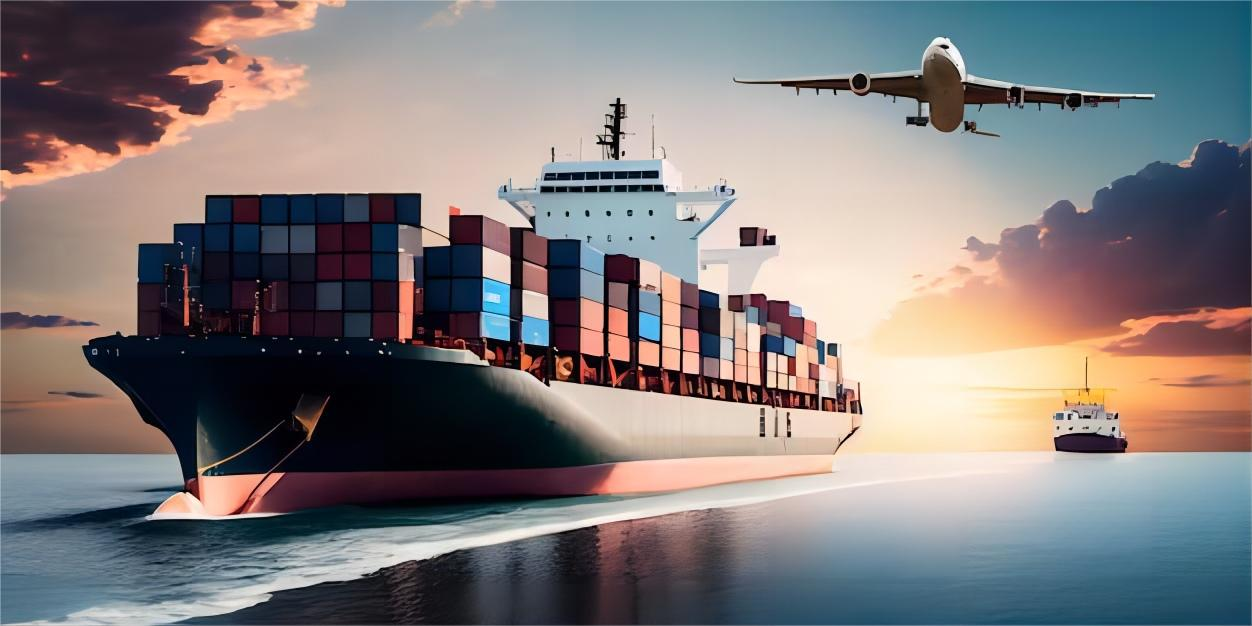
Considering your business priorities is the first step in selecting the ideal shipping method for your cargo. If budget is your primary concern and you have high-volume shipments, logisticsfromchina ocean freight is undeniably the superior choice for your 2026 operations. Conversely, if you are launching a new product and need it in stock within days, air freight might justify the higher expense despite the lower profit margins.
Similarly, cargo type plays a vital role; for instance, heavy machinery is almost exclusively shipped via sea due to weight restrictions on aircraft. To make an informed decision, evaluate your inventory turnover rate and the cost of capital tied up in transit. Generally, a hybrid strategy using sea for bulk stock and air for urgent restocks provides the most balanced supply chain resilience.
Maritime Logistics Trends for 2026
Maritime technology continues to evolve, with 2026 seeing the widespread adoption of autonomous port handling and blockchain-based tracking. Notably, these trends have reduced the average time cargo spends sitting in terminals by nearly 15% compared to two years ago. Because of these efficiencies, importers can now enjoy more reliable data and better security for their high-value goods.
Admittedly, environmental regulations are also tightening, leading to new low-emission surcharges that are now standard in most freight quotes. Nevertheless, the transition to greener fuels is expected to stabilize long-term costs by reducing the industry’s sensitivity to traditional oil price spikes. Certainly, staying ahead of these regulatory changes will help your business maintain a competitive edge in the global marketplace.
Final Thoughts on Ocean Shipping
Finally, mastering logisticsfromchina ocean freight is a journey of continuous learning and strategic planning. By understanding the nuances of container types, transit times, and documentation, you can navigate the global waters with confidence. Remember that freight rates are subject to change based on fuel costs and seasonal demand, so always seek a current quote. Our team remains dedicated to providing the most reliable and cost-effective sea cargo solutions for your business in 2026 and beyond.