

Logisticsfromchina Container Shipping: 2026 Comprehensive Guide
Navigating the complexities of global trade requires a partner who understands the nuances of logisticsfromchina container shipping. At Logistics From China, we provide comprehensive solutions that streamline your supply chain from factory floor to final destination. Whether you are a small business owner or a large enterprise, choosing the right shipping strategy is essential for maintaining profitability in the 2026 market. This guide explores the essential components of modern freight management to help you make informed decisions.
What is logisticsfromchina container shipping and why does it matter?
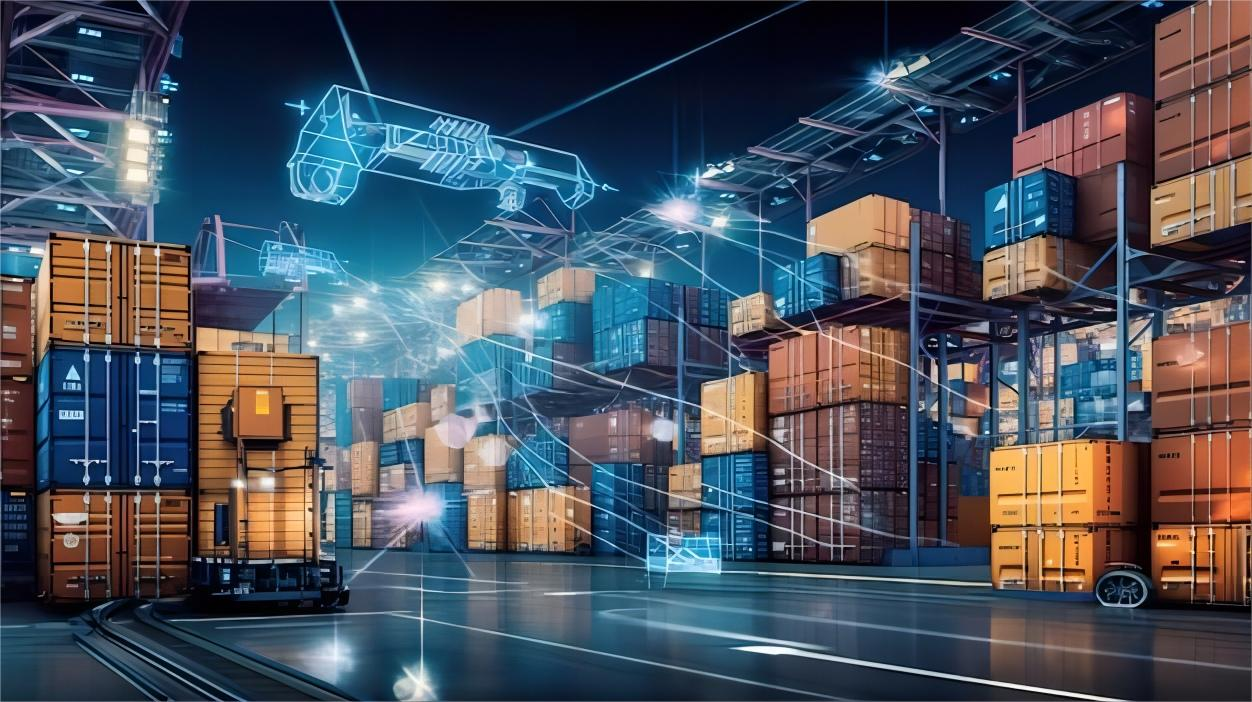
Modern commerce relies heavily on the efficient movement of goods across vast oceans using standardized metal boxes. Specifically, logisticsfromchina container shipping refers to the systematic process of transporting cargo from Chinese manufacturing hubs to international ports using sea-going vessels. This method remains the backbone of the global economy because it offers the most cost-effective way to move large volumes of inventory. In 2026, the integration of digital tracking and sustainable fuels has made this process more transparent and environmentally conscious than ever before.
Furthermore, businesses must understand that container shipping is not a one-size-fits-all solution. Different types of cargo require specific container environments, such as refrigerated units for perishables or open-top containers for oversized machinery. Consequently, selecting the appropriate container type is the first step in ensuring your goods arrive in pristine condition. By leveraging professional logistics services, you can navigate these choices with confidence and precision.
Moreover, the scale of Chinese exports means that shipping routes are highly optimized and frequent. Major ports like Shanghai, Ningbo-Zhoushan, and Shenzhen offer daily departures to every corner of the globe. Therefore, companies that master the timing and logistics of these departures can significantly reduce their lead times and improve their market responsiveness.
How Does logisticsfromchina container shipping Compare to Other Shipping Options?
Choosing the right transportation mode involves balancing speed, cost, and reliability across different geographic routes. While sea freight is the most common choice, alternatives like air and rail offer unique advantages depending on your specific needs. For instance, air freight is significantly faster but comes at a premium price, making it suitable only for high-value or time-sensitive shipments. In contrast, rail freight provides a middle ground for shipments to Europe, offering faster transit than sea at a lower cost than air.
Additionally, the decision often hinges on the volume of goods being moved. Small parcels are best handled via express services, whereas bulk commodities require the massive capacity of container ships. As of 2026, hybrid solutions such as sea-air combinations have also gained popularity for balancing budget and urgency. Understanding these trade-offs is vital for any importer looking to optimize their logistics spend.
Nevertheless, sea freight remains the dominant force due to its unmatched economy of scale. For shipments exceeding 15 cubic meters, the cost per unit in a container is significantly lower than any other method. Consequently, most long-term supply chain strategies prioritize container shipping as their primary logistics pillar.
| Shipping Method | Cost Range | Transit Time | Best For |
|---|---|---|---|
| Sea Freight (FCL) | $1,500 – $6,000 | 14 – 45 Days | Bulk inventory and large goods |
| Air Freight | $4.50 – $9.00/kg | 3 – 7 Days | Urgent, high-value electronics |
| Rail Freight | $2,000 – $4,500 | 18 – 22 Days | Mid-range urgency to Europe |
| Express Service | $7.00 – $15.00/kg | 2 – 5 Days | Samples and small documents |
Understanding FCL vs LCL in logisticsfromchina container shipping
Importers must decide between Full Container Load (FCL) and Less than Container Load (LCL) based on their shipment volume. FCL means you have exclusive use of a 20ft or 40ft container, which is generally faster as it avoids the consolidation process. On the other hand, LCL allows you to share container space with other shippers, making it an economical choice for smaller loads. Typically, if your shipment is over 15 cubic meters, FCL becomes the more cost-effective option due to flat-rate pricing.
Indeed, the choice between these two methods affects more than just the price. FCL shipments are often handled less frequently, reducing the risk of damage during transit. Conversely, LCL shipments require careful packing as they will be loaded and unloaded alongside various other goods in a warehouse. Therefore, businesses with fragile items might prefer FCL even if they do not fill the entire container.
Additionally, transit times for LCL are usually 5 to 7 days longer than FCL. This delay occurs because the freight forwarder must wait for enough cargo to fill the container before it can be dispatched. Consequently, if your delivery schedule is tight, investing in a full container might be the better strategic move.

Current 2026 Freight Rates and Market Trends
As of early 2026, freight rates from China have shown relative stability following the market adjustments of the previous year. However, seasonal fluctuations still play a major role in pricing, with rates often spiking during the months leading up to the Lunar New Year and the Q4 holiday season. According to industry benchmarks, a 40HQ container from Shanghai to the US West Coast currently ranges between $2,800 and $3,800 depending on the carrier and service level. For European routes, prices remain slightly higher due to the longer distance and canal transit fees.
Moreover, the introduction of carbon taxes in several major economies has led to a slight increase in bunker adjustment factors. Shipping lines are passing these costs to consumers as they transition to greener fleets. Despite these increases, the overall efficiency of the 2026 logistics network has helped keep landed costs manageable for most importers. Businesses are encouraged to book at least 3 to 4 weeks in advance to secure the best possible rates.
Notably, the 2026 market has seen a shift toward more long-term contract pricing rather than relying solely on the volatile spot market. This trend provides businesses with greater budget predictability in an uncertain global economy. Nevertheless, staying informed about weekly rate changes is still necessary for those looking to capitalize on sudden market dips.
| Destination Route | 20GP Container | 40HQ Container | Avg. Transit Time |
|---|---|---|---|
| China to USA West | $1,800 – $2,400 | $2,800 – $3,800 | 15 – 18 Days |
| China to USA East | $2,600 – $3,400 | $4,500 – $5,800 | 30 – 35 Days |
| China to Europe | $2,000 – $2,700 | $3,200 – $4,400 | 30 – 38 Days |
| China to Australia | $900 – $1,300 | $1,500 – $2,100 | 12 – 18 Days |
How to Navigate Customs Brokerage and Compliance?
Successfully clearing customs is often the most challenging aspect of logisticsfromchina container shipping. Every country has unique regulations regarding product safety, intellectual property, and import duties. Therefore, utilizing a professional customs brokerage service is essential for preventing costly delays at the border. These experts ensure that all paperwork, including the Commercial Invoice and Bill of Lading, is accurately completed and filed on time.
Furthermore, errors in Harmonized System (HS) code classification can result in significant fines or even cargo seizure. In 2026, many customs authorities have implemented automated AI screening tools that flag inconsistencies instantly. Consequently, the precision of your documentation has never been more important. A dedicated broker will help you identify the correct codes and any applicable trade agreements that could lower your duty payments.
Additionally, staying compliant with environmental regulations is now a mandatory part of the import process. Many regions now require detailed declarations regarding the carbon footprint or recycled content of imported goods. By working with a knowledgeable partner, you can ensure that your shipments meet all local and international standards without interruption.
Which Shipping Option Should You Choose?
Determining the best shipping method requires a clear understanding of your business priorities and cargo characteristics. If your primary goal is cost reduction and you have a flexible timeline, sea freight is the undisputed winner. However, if you are launching a new product and need to hit a specific retail date, the speed of air freight might justify the higher expense. For many companies, the best approach is a diversified strategy that uses different modes for different product lines.
Specifically, consider the following criteria when making your choice. For high-volume, low-margin goods, FCL sea freight is usually the only viable option to maintain profitability. In contrast, for high-margin electronics where obsolescence is a risk, air freight or rail freight might be more appropriate. Always calculate the total landed cost, including duties and inland transport, rather than just the port-to-port freight rate.
Moreover, the geographic location of your destination port plays a significant role. Shipments to the US West Coast are much faster and cheaper than those going to the East Coast via the Panama Canal. Therefore, some businesses choose to ship to Los Angeles and then use domestic trucking to move goods across the country. This strategy can save both time and money depending on the current congestion levels at various ports.
Budget Priority Selection
When budget is the main concern, sea freight via LCL or FCL is the standard recommendation. To maximize savings, avoid shipping during peak seasons when carriers implement General Rate Increases (GRI). Additionally, opting for longer transit routes with transshipments can sometimes yield lower rates than direct services.
Speed Priority Selection
If speed is paramount, air freight remains the fastest option, followed closely by express courier services. For shipments to Europe, rail freight is an excellent middle-ground alternative that can save up to 15 days compared to sea travel. Always verify the current flight or train schedules as they can fluctuate based on seasonal demand.
Why Choose Door to Door Logistics for Your Business?
Managing multiple vendors for trucking, shipping, and customs can be an administrative nightmare for many businesses. Consequently, a door to door service offers a streamlined alternative where one provider handles the entire journey. This approach minimizes the risk of communication gaps and ensures that your cargo moves seamlessly from the factory in China to your warehouse. By consolidating these services, you often gain better visibility through a single tracking number.
Furthermore, door-to-door shipping simplifies the financial side of logistics by providing a single, all-inclusive quote. This transparency helps businesses accurately forecast their expenses and avoid hidden fees that often arise at destination ports. In the fast-paced 2026 market, this level of predictability is a significant competitive advantage. It allows your team to focus on sales and marketing rather than troubleshooting logistics issues.
Additionally, this service often includes the final mile delivery, which is frequently the most expensive and complex part of the journey. Professional logistics providers have established networks of local carriers to ensure your goods are delivered safely and on time. Ultimately, the peace of mind provided by an end-to-end solution is often worth the investment.
Optimizing Amazon FBA Shipments from China
Selling on international platforms requires strict adherence to specific packaging and labeling requirements. For sellers using Amazon FBA, any deviation from these standards can lead to rejected shipments and added storage fees. Therefore, working with a logistics provider who specializes in FBA preparation is crucial. They can inspect your goods at the origin, apply the necessary barcodes, and ensure that the pallets meet Amazon’s strict dimensions.
Moreover, managing inventory levels is a delicate balance when shipping from overseas. To avoid stockouts, many successful sellers use a combination of sea freight for their main stock and air freight for emergency replenishments. This hybrid model ensures that the Amazon listing remains active while keeping the average shipping cost per unit low. In 2026, data-driven forecasting tools have become essential for timing these shipments correctly.
Notably, Amazon’s global logistics network has evolved, offering more options for direct injection into their fulfillment centers. By bypassing intermediate warehouses, you can reduce handling times and get your products in front of customers faster. Consequently, choosing a partner with deep experience in the FBA ecosystem is a vital step for any serious e-commerce entrepreneur.
Real Case Studies in Global Logistics
Examining real-world examples provides valuable insights into how logisticsfromchina container shipping works in practice. These scenarios highlight the challenges and successes faced by businesses across different industries. By learning from these cases, you can better prepare for your own shipping journey.
Note: Freight rates are subject to change based on fuel costs, carrier capacity, and seasonal demand. Contact us for a current quote tailored to your specific shipment.
Case Study 1: Electronics to Germany
Case Study 1: High-Value Electronics Distribution Route: Shenzhen, China -> Hamburg, Germany Cargo: Consumer Electronics, 68 CBM, 12,500 kg Container: 40HQ Full Container Shipping Details: – Carrier/Service: COSCO Direct Service – Port of Loading: Shenzhen (Yantian) – Port of Discharge: Hamburg – Route Type: Direct Cost Breakdown: – Ocean Freight: $3,950 – Origin Charges: $420 – Destination Charges: $550 – Customs & Duties: $1,200 – Total Landed Cost: $6,120 Timeline: – Booking to Loading: 4 days – Sea Transit: 32 days – Customs Clearance: 2 days – Total Door-to-Door: 42 days Key Insight: Pre-clearing customs documentation saved 3 days.
Case Study 2: Textiles to Los Angeles
Case Study 2: Seasonal Apparel Import Route: Ningbo, China -> Los Angeles, USA Cargo: Cotton Apparel, 28 CBM, 8,000 kg Container: 20GP Full Container Shipping Details: – Carrier/Service: Maersk Fast Track – Port of Loading: Ningbo – Port of Discharge: Los Angeles – Route Type: Direct Cost Breakdown: – Ocean Freight: $2,100 – Origin Charges: $350 – Destination Charges: $480 – Customs & Duties: $950 – Total Landed Cost: $3,880 Timeline: – Booking to Loading: 3 days – Sea Transit: 16 days – Customs Clearance: 3 days – Total Door-to-Door: 25 days Key Insight: Fast-track service avoided port congestion in Q3.
Mastering Your Global Supply Chain
Successfully managing logisticsfromchina container shipping is a cornerstone of modern international business. By understanding the differences between shipping modes and staying informed about market rates, you can significantly improve your bottom line. Transitioning to a more structured logistics plan in 2026 will ensure your business remains resilient in a changing global economy.
Indeed, the partnership you build with your freight forwarder is as important as the products you sell. Choosing a provider that offers transparency, compliance expertise, and comprehensive services will save you time and money. Start implementing these strategies today to secure your place in the competitive world of global trade.
Need a tailored shipping solution?
Ready to optimize your supply chain with logisticsfromchina container shipping? Contact our expert team today for a personalized quote and let us handle the complexities of your global freight. Visit our inquiry page to get started.