

Logisticsfromchina Logistics Company: 2026 Shipping Guide
“Navigating the complexities of international trade requires a partner who understands the nuances of global supply chains. Consequently, finding a reliable logisticsfromchina logistics company is the first step toward ensuring your goods arrive safely and on time. Many businesses struggle with rising freight rates and shifting regulations in 2026. However, our comprehensive solutions bridge the gap between Chinese manufacturers and global markets. We provide the expertise needed to handle everything from manufacturing pickup to final delivery.”
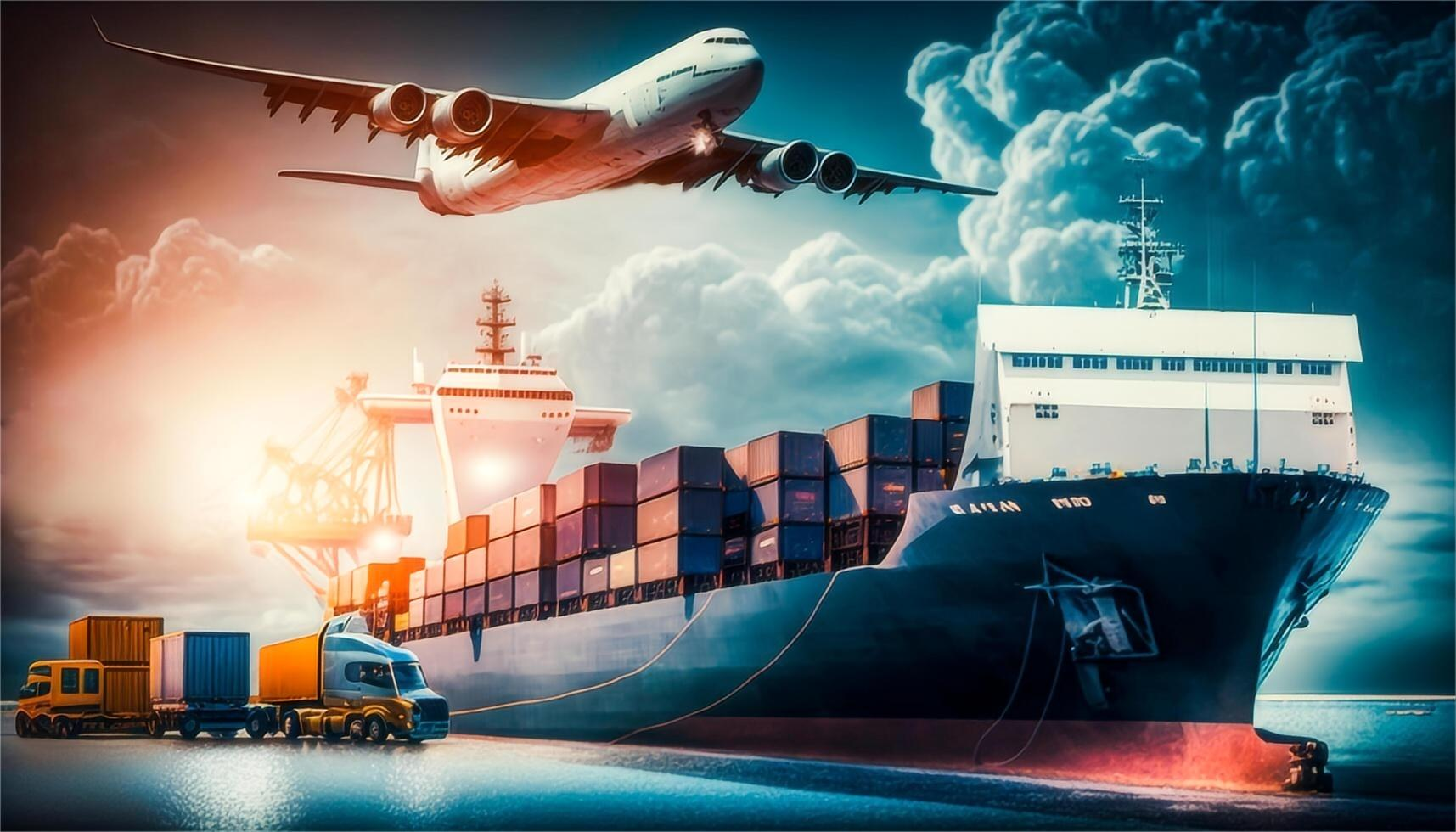
What Defines a Top-Tier Logisticsfromchina Logistics Company?
❖Reliability serves as the cornerstone of any successful partnership in the freight industry. For instance, a premier logistics provider must offer transparent tracking and consistent communication throughout the shipping process. Furthermore, they should possess a deep understanding of both Chinese export laws and destination import requirements. This expertise ensures that your cargo moves smoothly through various checkpoints without unnecessary delays.
Additionally, flexibility in service offerings allows businesses to scale their operations effectively. Whether you are shipping small parcels or massive industrial equipment, your partner should provide tailored solutions. Many companies provide rigid structures that do not account for the unique needs of different industries. In contrast, we prioritize adaptable strategies that align with your specific business goals and budget constraints.
Moreover, technological integration has become a non-negotiable requirement for modern logistics in 2026. Real-time data analytics and automated documentation help reduce human error and speed up the entire supply chain. Consequently, businesses can make informed decisions based on accurate transit time data and cost projections. Choosing a partner that embraces these innovations will give your company a significant competitive advantage in the global marketplace.
How Does Sea Freight Compare to Other Shipping Options?
❖Cost-effectiveness remains the primary driver for businesses selecting sea freight as their main transportation mode. For shipments involving large volumes or heavy weights, ocean transport offers the lowest per-unit cost compared to air or rail. Indeed, most global trade still relies on the massive capacity of container ships to move goods across the Pacific and Indian Oceans. Nevertheless, the longer transit times require careful inventory planning to avoid stockouts.
Choosing between Full Container Load (FCL) and Less than Container Load (LCL) depends largely on your total cargo volume. FCL provides a dedicated container for your goods, which often results in faster handling and lower risk of damage. On the other hand, LCL allows multiple shippers to share space, making it an ideal choice for smaller businesses with lower inventory requirements. Both options have distinct advantages depending on your current supply chain needs.
Market data from early 2026 suggests that sea freight rates have stabilized after previous years of volatility. While seasonal peaks still occur during the late summer months, the overall trend points toward more predictable pricing structures. Therefore, businesses can budget more accurately for their long-term shipping needs. Always consider the trade-off between cost savings and the longer duration spent at sea when making your final decision.
| Shipping Method | Cost Range (USD) | Transit Time | Best For |
|---|---|---|---|
| Sea Freight (FCL) | $2,500 – $4,500 | 25-40 Days | Bulk & Heavy Goods |
| Air Freight | $5.00 – $12.00/kg | 3-7 Days | High Value/Urgent |
| Rail Freight | $1,800 – $3,200 | 15-22 Days | Europe Land Routes |
| Express Service | $8.00 – $20.00/kg | 2-5 Days | Small Samples |

Why Air Freight is Essential for High-Value Goods
❖Speed often dictates the choice of air freight for companies dealing with perishable items or high-tech electronics. When a product launch is imminent, waiting weeks for a sea vessel is simply not an option. Consequently, air transport provides a rapid solution that can move goods from China to major global hubs in less than a week. This speed significantly reduces the lead time and allows for a more responsive supply chain.
Safety and security also play a major role in the preference for air cargo. Because the transit time is shorter and the handling is more regulated, the risk of theft or damage is greatly minimized. Furthermore, insurance premiums for air shipments are often lower than those for sea freight due to the reduced time in transit. While the initial freight cost is higher, these savings in insurance and inventory carrying costs can offset the price gap.
Historically, air freight was reserved only for the most expensive items, but 2026 market trends show more mid-range products moving to the skies. As e-commerce demand continues to surge, consumers expect faster delivery times regardless of the product type. Accordingly, many businesses now use a hybrid model, shipping their core stock by sea and using air for rapid replenishment. This strategy balances cost efficiency with the need for speed in a fast-paced market.
Can Rail Freight Bridge the Gap for European Trade?
❖Infrastructure improvements across Eurasia have made rail freight a viable middle-ground option for many importers. It offers a transit time that is roughly half that of sea freight while costing significantly less than air transport. For instance, shipments from central China can reach major European hubs like Hamburg or Warsaw in approximately 18 to 22 days. This makes it an excellent choice for seasonal goods that need to arrive faster than a boat but do not justify air costs.
Sustainability has also become a major factor in the rise of rail logistics. Compared to air freight, rail transport produces much lower carbon emissions per ton of cargo. Many European corporations now prioritize greener logistics solutions to meet strict environmental regulations and corporate social responsibility goals. Therefore, rail freight serves as both a practical and ethical choice for modern businesses looking to optimize their carbon footprint.
Note: Rail freight is primarily used for routes connecting China to Europe and Central Asia. It is not a viable option for shipments to North America or Australia due to geographical constraints. Shippers should always verify the current stability of rail corridors, as geopolitical factors can occasionally impact schedule reliability. Despite these challenges, rail remains a robust component of the modern Silk Road.
Which Option Should You Choose? A Decision Framework
❖Deciding on the right shipping method requires a careful analysis of your budget, timeline, and cargo specifications. If your primary goal is minimizing costs and your timeline allows for 30-40 days of transit, sea freight is nearly always the best answer. However, if you are shipping electronics with a short market lifespan, the speed of air freight justifies the higher expense. We recommend evaluating each shipment on an individual basis rather than sticking to a single method for everything.
Volume thresholds also play a significant role in the decision-making process. For shipments under 100 kilograms, express services or air freight are usually more economical when considering total landed costs. Once you exceed 500 kilograms or 2 cubic meters, the cost benefits of sea freight begin to manifest clearly. Businesses should also consider the nature of their cargo, as hazardous materials or oversized items may have restricted options depending on the carrier.
Hybrid solutions offer a sophisticated way to manage complex inventory needs. For example, you might ship 80 percent of your inventory via sea and the remaining 20 percent via air to handle unexpected demand spikes. This approach ensures that you always have stock available without overspending on transportation for your entire inventory. Ultimately, a balanced logistics strategy provides the most resilience against market disruptions and fluctuating consumer demand.
Navigating Customs Documentation and Compliance
❖Proper documentation acts as the passport for your goods, allowing them to cross international borders without legal hurdles. Without accurate paperwork, even the fastest shipping method will result in costly delays at the port of entry. Therefore, working with a professional customs brokerage service is essential for navigating the complex web of tariffs and duties. They ensure that every Commercial Invoice, Packing List, and Bill of Lading meets the specific requirements of the destination country.
Regulations frequently change, especially regarding product safety standards and environmental compliance in 2026. For instance, new digital tracking requirements for certain goods now require electronic filing before the cargo even leaves China. Furthermore, misclassifying your products under the Harmonized System (HS) codes can lead to heavy fines or even seizure of the goods. A dedicated broker stays updated on these changes so that your business remains compliant and avoids unnecessary financial penalties.
Efficiency in customs clearance directly impacts your overall transit time and customer satisfaction. When goods are cleared quickly, they can move to the final delivery stage without sitting in a warehouse and accruing storage fees. Consequently, proactive document preparation is the best way to prevent bottlenecks. Always double-check that all descriptions and values match across all documents to ensure a seamless transition through customs checkpoints.
The Growing Importance of Amazon FBA Logistics
❖Selling on global platforms requires a specialized approach to shipping and inventory management. For instance, Amazon FBA sellers must adhere to strict labeling and packaging requirements to avoid rejection at the fulfillment center. A logistics company that specializes in these services understands the specific nuances of the Amazon ecosystem. They can handle the preparation, palletization, and direct delivery to the designated warehouse, saving you significant time and effort.
Inventory management becomes much simpler when you have a partner who can manage the entire flow from the factory to the FBA dock. Moreover, they can provide value-added services like quality inspections and re-labeling in China before the goods are shipped. This prevents defective products from reaching the Amazon warehouse, which protects your seller rating and reduces return rates. In the competitive world of e-commerce, these small details often make the difference between profit and loss.
Transit times for FBA shipments are particularly critical during peak shopping seasons like the fourth quarter. Many sellers face stockouts because they underestimated the time needed for both shipping and Amazon’s internal processing. Therefore, we suggest booking your shipments at least 45 to 60 days in advance of major sale events. This buffer accounts for potential port congestion and ensures your products are live and ready for customers when the demand hits.
How Door to Door Services Simplify Global Trade
❖Convenience is the hallmark of door to door shipping, as it eliminates the need for the importer to manage multiple logistics providers. In this model, the logistics company handles everything from picking up the goods at the factory to delivering them to your final warehouse or office. This end-to-end service reduces the risk of communication gaps and ensures that one entity is responsible for the entire journey. It is the most streamlined way to handle international procurement.
Tracking becomes much easier when a single provider manages the entire route. Instead of coordinating between a Chinese trucking company, an ocean carrier, and a local delivery service, you have one point of contact. Additionally, door-to-door rates are often more transparent, as they include most of the local handling and delivery fees that can surprise new importers. This predictability makes it much easier to calculate your true landed cost and set appropriate retail prices.
Small and medium-sized enterprises (SMEs) benefit most from these comprehensive services because they often lack dedicated logistics departments. By outsourcing the entire process, these businesses can focus on marketing and product development rather than worrying about port logistics. Furthermore, the peace of mind that comes with professional handling at every stage is invaluable. Whether you are shipping to North America, Europe, or Australia, a door-to-door solution is the most efficient path to success.
Real-World Case Studies: 2026 Logistics Success
❖Analyzing real-world examples provides valuable insights into how different shipping strategies perform in the current market. Below are three distinct scenarios based on typical shipments handled in early 2026. These cases highlight the importance of choosing the right method for the specific cargo and destination.
Case Study 1: Electronics to Los Angeles. Route: Shenzhen, China to Los Angeles, USA. Cargo: Consumer Electronics, 15 CBM, 4,500 kg. Container: LCL. Shipping Details: Major carrier, Port of Loading: Shenzhen, Port of Discharge: Los Angeles. Route Type: Direct. Cost Breakdown: Ocean Freight: $2,100, Origin Charges: $450, Destination Charges: $600, Customs and Duties: $1,200. Total Landed Cost: $4,350. Timeline: Booking to Loading: 3 days, Sea Transit: 16 days, Customs Clearance: 2 days, Total Door-to-Door: 25 days. Key Insight: Choosing a direct route saved 5 days compared to transshipment options.
Case Study 2: Industrial Parts to Hamburg. Route: Ningbo, China to Hamburg, Germany. Cargo: Machine Parts, 28 CBM, 12,000 kg. Container: 20GP. Shipping Details: Rail Freight, Port of Loading: Ningbo (via Xi’an), Port of Discharge: Hamburg. Route Type: Rail Corridor. Cost Breakdown: Rail Freight: $3,200, Origin Charges: $300, Destination Charges: $500, Customs and Duties: $1,500. Total Landed Cost: $5,500. Timeline: Booking to Loading: 5 days, Rail Transit: 20 days, Customs Clearance: 3 days, Total Door-to-Door: 32 days. Key Insight: Rail provided a 15-day advantage over sea freight for this urgent industrial order.
Case Study 3: Furniture to Sydney. Route: Shanghai, China to Sydney, Australia. Cargo: Home Furniture, 65 CBM, 8,000 kg. Container: 40HQ. Shipping Details: Sea Freight, Port of Loading: Shanghai, Port of Discharge: Sydney. Route Type: Direct. Cost Breakdown: Ocean Freight: $1,900, Origin Charges: $400, Destination Charges: $550, Customs and Duties: $800. Total Landed Cost: $3,650. Timeline: Booking to Loading: 4 days, Sea Transit: 14 days, Customs Clearance: 2 days, Total Door-to-Door: 24 days. Key Insight: Utilizing a 40HQ container maximized volume efficiency for lightweight but bulky furniture.
Understanding 2026 Freight Rates and Market Trends
❖Current market intelligence indicates that the logistics industry has entered a phase of technological maturity and price stabilization. While 2025 saw some disruptions in certain maritime corridors, the start of 2026 has brought more reliable schedules and predictable capacity. Consequently, freight rates from China to major global ports have settled into a range that allows for better long-term financial planning. This stability is a welcome change for importers who faced extreme volatility in previous years.
Trends such as the ‘Green Corridor’ initiatives are also starting to influence shipping costs and carrier choices. More vessels are now powered by alternative fuels, and some ports offer lower fees for ships that meet specific environmental criteria. Additionally, the integration of AI-driven logistics platforms has made it easier for a logisticsfromchina logistics company to optimize routes and reduce fuel consumption. These advancements not only help the environment but also contribute to long-term cost control for shippers.
Disclaimer: Note that freight rates are subject to change based on fuel costs, carrier capacity, and seasonal demand. We recommend contacting us for a current quote tailored to your specific shipment. Market data suggests that booking at least 3 weeks in advance of your desired ship date is the best way to secure the most competitive rates and guaranteed space on vessels.
Final Thoughts on Choosing Your Logistics Partner
Successfully importing goods from China requires more than just finding a manufacturer; it requires a robust logistics strategy. By selecting a professional logisticsfromchina logistics company, you gain a partner who can navigate the complexities of international shipping, customs, and final delivery. Whether you choose sea, air, or rail, the key is to balance cost, speed, and reliability to meet your business needs.
Ultimately, the right logistics partner acts as an extension of your own team. They provide the visibility and expertise needed to manage risks and capitalize on global market opportunities. As we move through 2026, staying informed about market trends and maintaining a flexible shipping strategy will be essential for any business involved in international trade.

Ready to streamline your logistics?
Ready to streamline your global supply chain? Contact us today to receive a customized quote from a leading logisticsfromchina logistics company. Visit our website to learn more about our comprehensive freight solutions and how we can help your business grow in 2026. Send Inquiry: Visit https://logisticsfromchina.com/contact-us/
Request Quote