Amazon Sea Freight Forwarder China: 2026 Shipping Guide
Finding a professional amazon sea freight forwarder china is the most critical decision for sellers aiming to scale their business in 2026. High shipping costs and complex international regulations often create significant barriers for global e-commerce entrepreneurs. Consequently, this guide provides actionable insights into navigating the logistics landscape to ensure your inventory reaches fulfillment centers efficiently and affordably.
✦
Why Choose an Amazon Sea Freight Forwarder China?
Selecting a specialized logistics partner ensures that your products meet the strict delivery requirements set by the world’s largest marketplace. Moreover, a dedicated Amazon FBA specialist understands the nuances of palletization, labeling, and appointment scheduling.
Therefore, utilizing sea freight allows you to move large volumes of inventory at a fraction of the cost compared to air transport. This cost-saving strategy is essential for maintaining competitive pricing and healthy profit margins in the 2026 market.
Additionally, experienced forwarders provide end-to-end visibility, allowing you to track your cargo from the factory floor in Shenzhen to the final destination in the USA or Europe. This transparency helps in managing stock levels and preventing out-of-stock scenarios.
How Does Sea Freight Compare to Other Shipping Options?
Comparing different transport modes is vital for choosing the right strategy based on your budget and urgency. While air freight offers the fastest delivery, the high costs often make it unsustainable for bulky or heavy items.
In contrast, sea freight provides the most economical solution for large shipments, even though it requires longer lead times. Meanwhile, rail freight serves as an excellent middle-ground for shipments destined for Europe, offering faster transit than sea at a lower cost than air.
Every seller must weigh these trade-offs carefully to optimize their supply chain. For instance, high-value electronics might justify air costs, whereas home decor or furniture is best suited for ocean transport.
| Shipping Method | Cost Range | Transit Time | Best For |
|---|---|---|---|
| Sea Freight | $1,500 – $4,500 per container | 25 – 45 Days | Bulky items and high volume |
| Air Freight | $5.00 – $9.00 per kg | 5 – 9 Days | Urgent restocks and high value |
| Rail Freight | $2.00 – $4.00 per kg | 18 – 25 Days | Europe-bound mid-sized cargo |
| Express | $8.00 – $12.00 per kg | 3 – 5 Days | Small samples and documents |
FCL vs LCL: Optimizing Your Amazon Inventory
Choosing between Full Container Load (FCL) and Less than Container Load (LCL) depends heavily on your shipment volume. If you have enough cargo to fill a 20ft or 40ft container, FCL sea freight is typically the most secure and cost-effective option.
However, LCL is an ideal alternative for smaller shipments where you only pay for the space you use within a shared container. Consequently, LCL allows smaller brands to access ocean freight rates without needing massive inventory investments.
Furthermore, FCL shipments generally experience fewer delays because they do not require the consolidation and deconsolidation processes associated with LCL. Shipping a full container also reduces the risk of damage, as the cargo is handled less frequently during transit.
Understanding 2026 Shipping Costs and Transit Times
Market data suggests that freight rates in 2026 have stabilized following the volatility of previous years. Nevertheless, seasonal peaks during the third and fourth quarters can still cause prices to rise by 20% or more.
Planning your inventory cycles at least six months in advance is therefore recommended to secure better rates. For example, booking your shipments before the Lunar New Year or the August peak can save thousands of dollars in surcharges.
Typical transit times vary significantly based on the destination port and the specific carrier used. Below is a breakdown of industry averages for 2026.
| Route | 20GP Container | 40HQ Container | Transit Time |
|---|---|---|---|
| China to USA West | $1,800 – $2,400 | $2,900 – $3,900 | 15 – 20 Days |
| China to USA East | $2,800 – $3,600 | $4,600 – $5,800 | 30 – 35 Days |
| China to Europe | $2,000 – $2,700 | $3,200 – $4,400 | 28 – 38 Days |
| China to Australia | $900 – $1,300 | $1,500 – $2,100 | 14 – 20 Days |
Essential Customs Brokerage for FBA Sellers
Navigating the complexities of international trade requires a deep understanding of customs brokerage procedures. Each country has specific duty rates and restricted item lists that can impact your landed cost.
Moreover, incorrect documentation often leads to expensive port storage fees or even shipment seizures. Therefore, ensuring your commercial invoice, packing list, and bill of lading are perfectly accurate is a non-negotiable step.
Professional forwarders act as your representative, handling the communication with customs officials to ensure a smooth clearance process. Indeed, this service is invaluable for avoiding the common pitfalls of importing from China to Amazon warehouses.
Navigating Amazon FBA Preparation in China
Compliance with Amazon’s strict prep and labeling requirements is mandatory to avoid rejected shipments. Many sellers choose to have their door to door logistics provider handle these tasks at the origin warehouse in China.
By doing so, you can fix issues with packaging or labeling before the goods leave the country, saving significant time and money. Furthermore, prep services in China are generally much more affordable than those located in the destination country.
Specific requirements often include applying FNSKU labels, suffocation warning stickers, and ensuring pallets meet height and weight restrictions. Consequently, a forwarder who understands these rules is a vital asset for your business operations.
Realistic Case Studies for Amazon Shipments
Case Study 1: FCL Shipment to USA West Coast
Route: Ningbo, China to Los Angeles, USA. Cargo: Home textiles, 68 CBM, 12,500 kg. Container: 40HQ. Shipping Details: Direct route via COSCO. Ocean Freight: $3,450. Origin Charges: $450. Destination Charges: $650. Total Landed Cost: $4,550. Timeline: 18 days sea transit, 24 days total door-to-door. Key Insight: Booking 3 weeks in advance secured a rate 15% below the monthly average.
Case Study 2: LCL Shipment to Germany
Route: Shanghai, China to Hamburg, Germany. Cargo: Kitchen gadgets, 8 CBM, 1,200 kg. Container: LCL. Shipping Details: Transshipment via Singapore. Ocean Freight: $720. Origin Charges: $210. Destination Charges: $380. Total Landed Cost: $1,310. Timeline: 34 days sea transit, 42 days total door-to-door. Key Insight: Palletization at origin prevented damage during the transshipment process.
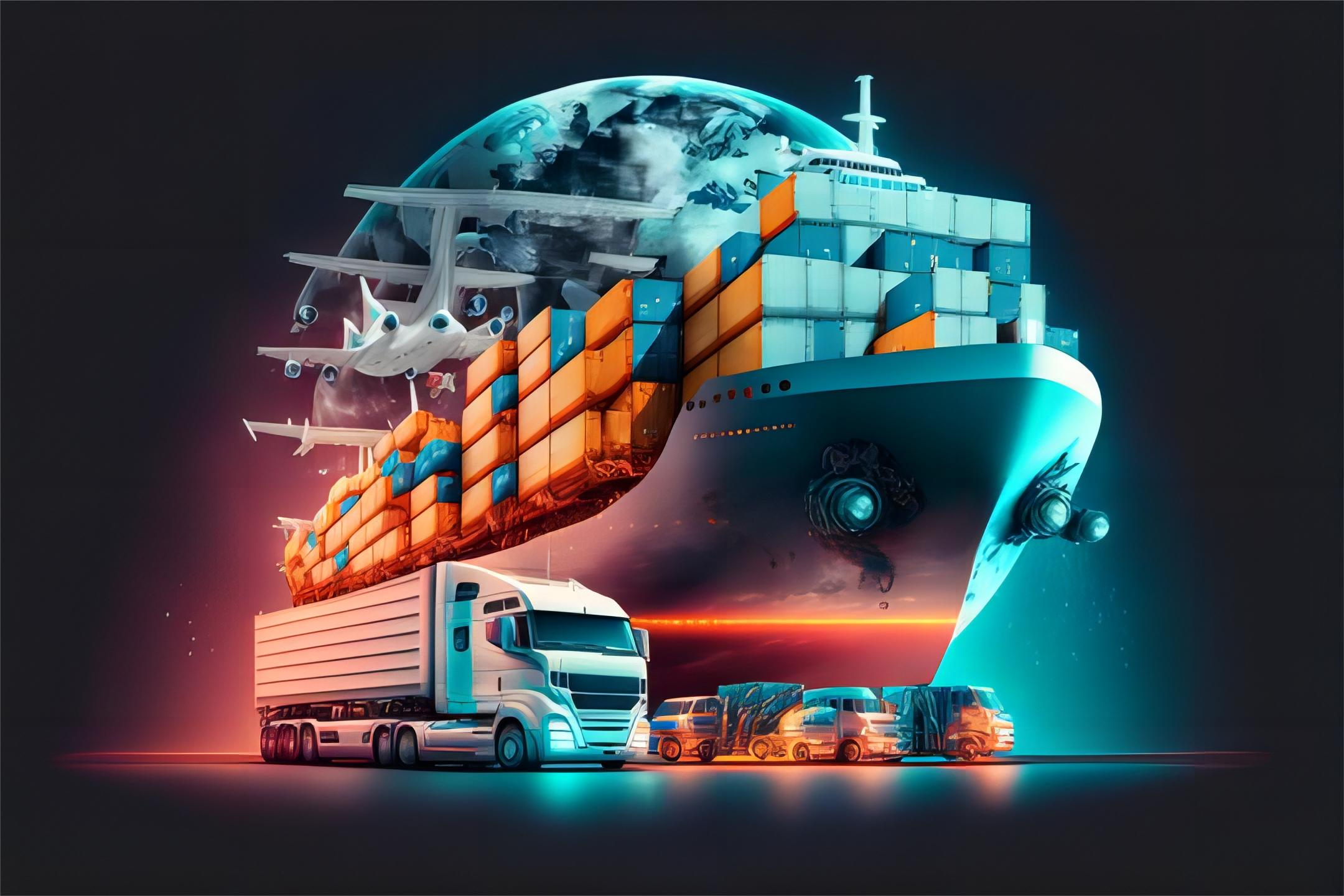
Market Intelligence and 2026 Logistics Trends
According to industry benchmarks, the adoption of AI-driven route optimization has significantly improved delivery schedule reliability in early 2026. Additionally, the shift toward sustainable shipping fuels has introduced small green surcharges but improved brand reputation for eco-conscious sellers.
Meanwhile, port automation in major hubs like Shanghai and Long Beach has reduced average dwell times by 10% compared to 2025. Nevertheless, labor negotiations and geopolitical shifts remain factors that every amazon sea freight forwarder china must monitor closely.
Strategic inventory placement is also becoming more popular, with sellers using bonded warehouses in China to stage inventory for rapid dispatch. This approach allows for greater flexibility in responding to sudden spikes in Amazon demand.
Which Shipping Option Should You Choose?
Choosing the right method requires a balance between cost, speed, and cargo volume. If your priority is budget and you have at least 15 CBM of goods, sea freight is the clear winner. On the other hand, if you are launching a new product and need it live within two weeks, air freight is the only viable path.
Hybrid solutions, such as sea-air combinations, are also worth considering for urgent shipments that cannot afford full air rates. These involve shipping by sea to a hub like Dubai and then flying the cargo to the final destination.
Ultimately, the best choice depends on your specific business goals and the nature of your products. Always consult with your logistics partner to determine the most efficient route for your current needs.
Summary of Amazon Logistics from China
Successfully managing your inventory requires a deep partnership with a knowledgeable amazon sea freight forwarder china. By understanding the differences between FCL and LCL, staying informed on market rates, and ensuring strict customs compliance, you can significantly reduce your overhead.
As we move through 2026, the logistics industry continues to evolve with new technologies and more efficient routes. Staying proactive and planning your shipments well in advance will remain the most effective way to ensure your Amazon business thrives in a competitive global market.