
B2B Sea Freight Shipping China: 2026 Logistics Guide
Managing a global supply chain requires precision and reliable logistics partners to ensure profitability. If you are looking to optimize your business operations, understanding the nuances of b2b sea freight shipping china is essential in the current 2026 market. Consequently, this guide provides the necessary insights to navigate international trade with confidence and efficiency.
What is B2B Sea Freight Shipping China in 2026?
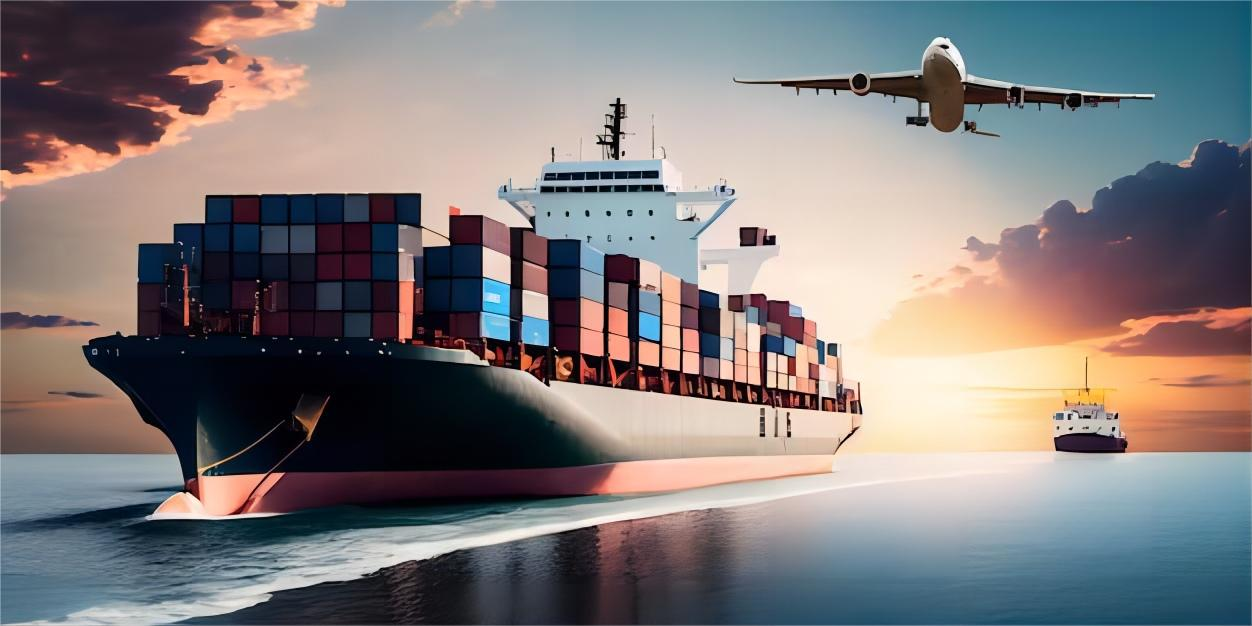
Modern b2b sea freight shipping china involves the bulk transport of goods via ocean vessels between manufacturers and international buyers. As of early 2026, this method remains the backbone of global trade due to its unparalleled cost-efficiency for large volumes. Furthermore, the integration of smart tracking technologies has significantly improved visibility throughout the maritime journey.
Businesses typically choose this method when shipping heavy machinery, raw materials, or high-volume consumer goods. Indeed, the ability to transport massive quantities in standard containers makes it the most sustainable choice for long-term growth. However, shippers must account for longer lead times compared to faster, more expensive alternatives.
Moreover, the 2026 logistics landscape has stabilized following previous years of disruption, offering more predictable scheduling for importers. Therefore, planning your inventory cycles around these transit times is a critical component of successful supply chain management. By leveraging sea freight, companies can maintain competitive pricing in their local markets.
How Does B2B Sea Freight Shipping China Compare to Other Options?
Deciding on the best transportation mode requires a careful analysis of cost, speed, and cargo requirements. While sea freight is the most economical for large shipments, other methods serve specific needs based on urgency and volume. For instance, high-value electronics often benefit from the speed of air freight despite the higher price tag.
Additionally, businesses operating in the Eurasian corridor might consider rail freight as a middle-ground solution. This alternative offers faster transit than the ocean while remaining significantly cheaper than air transport. Nevertheless, for the vast majority of B2B transactions involving North America or Australia, maritime transport remains the primary choice.
In contrast, small parcels or urgent samples are best handled through an express service to ensure rapid delivery. The following table provides a clear comparison of these methods to help you determine the most suitable strategy for your specific cargo needs.
| Sea Freight | Low ($) | 20-40 Days | Bulk & Heavy Cargo |
| Air Freight | High ($$$) | 3-7 Days | Urgent & High-Value |
| Rail Freight | Medium ($$) | 15-22 Days | Eurasian Routes |
| Express | Very High ($$$$) | 2-5 Days | Samples & Documents |
Choosing Between FCL and LCL Shipments
When utilizing b2b sea freight shipping china, you must decide between Full Container Load (FCL) and Less than Container Load (LCL). FCL is generally more cost-effective for shipments exceeding 15 cubic meters as you pay for the entire container space. Consequently, this method reduces the risk of damage since the container remains sealed until it reaches its destination.
On the other hand, LCL allows multiple shippers to share space within a single container, making it ideal for smaller volumes. While LCL provides flexibility, it often involves longer processing times due to the consolidation and deconsolidation phases at the ports. Furthermore, the cost per cubic meter is typically higher in LCL compared to FCL rates.
Ultimately, your choice depends on your inventory requirements and budget constraints. For example, if you are replenishing stock for an Amazon FBA warehouse, FCL might be necessary to meet strict delivery windows. Conversely, LCL is perfect for testing new products without committing to a full container of inventory.
Understanding 2026 Shipping Costs and Transit Times
Shipping rates in 2026 are influenced by fuel surcharges, seasonal demand, and port efficiency. Based on current market data, rates have remained relatively stable compared to the volatility seen in previous years. However, it is important to note that prices can still fluctuate by 10-15% during peak seasons like the pre-Lunar New Year rush.
Transit times also vary significantly depending on the destination port and the specific shipping line used. For instance, shipments to the US West Coast are much faster than those heading to the East Coast via the Panama Canal. Meanwhile, direct routes to major European hubs like Rotterdam or Hamburg offer consistent schedules for B2B importers.
The table below outlines the typical costs and transit times for major global routes as of early 2026. Please remember that these are estimates, and you should always request a current quote for your specific cargo.
| China to USA West | $1,600 – $2,300 | $2,900 – $3,900 | 14-18 Days |
| China to USA East | $2,600 – $3,600 | $4,600 – $6,100 | 30-35 Days |
| China to Europe | $1,900 – $2,600 | $3,100 – $4,300 | 28-35 Days |
| China to Australia | $850 – $1,250 | $1,450 – $2,100 | 12-18 Days |
Essential Customs Documentation for China Exports
Navigating the complexities of international trade requires meticulous attention to documentation. Without the correct paperwork, your b2b sea freight shipping china could face significant delays or even seizure by authorities. Therefore, working with a professional customs brokerage service is highly recommended for most businesses.
Key documents include the Bill of Lading, Commercial Invoice, and Packing List, which provide details about the cargo and its value. Additionally, you may need a Certificate of Origin to qualify for specific trade agreements or tariff reductions. Indeed, ensuring all information is accurate and matches across all documents is the best way to prevent customs issues.
Furthermore, some products require specialized permits or inspections before they can be exported from China. Consequently, you should verify all compliance requirements well in advance of your shipping date. Proper preparation not only saves time but also prevents unexpected storage fees at the port of entry.
Realistic Case Studies of China Shipping Routes
To better understand how b2b sea freight shipping china works in practice, let us examine some recent real-world examples. These cases highlight the importance of choosing the right route and container type based on the specific needs of the business. Moreover, they illustrate the typical costs and timelines you can expect in the 2026 market.
Case Study 1: Electronics from Shenzhen to Los Angeles. Route: Shenzhen, China to Los Angeles, USA. Cargo: Consumer Electronics, 68 CBM, 12000 kg. Container: 40HQ. Shipping Details: Major carrier, Direct route. Cost Breakdown: Ocean Freight $3,200, Origin Charges $450, Destination Charges $600, Customs $1,200. Total Landed Cost: $5,450. Timeline: 22 days door-to-door. Key Insight: Direct routing avoided West Coast congestion.
Case Study 2: Furniture from Ningbo to Rotterdam. Route: Ningbo, China to Rotterdam, Netherlands. Cargo: Office Furniture, 28 CBM, 8000 kg. Container: 20GP. Shipping Details: Transshipment via Singapore. Cost Breakdown: Ocean Freight $2,100, Origin Charges $400, Destination Charges $550, Customs $900. Total Landed Cost: $3,950. Timeline: 34 days door-to-door. Key Insight: Using a 20GP was more economical than LCL for this volume.
Note: Freight rates are subject to change based on fuel costs, carrier capacity, and seasonal demand. Contact us for a current quote tailored to your specific shipment.
Which Shipping Option Should You Choose?
Selecting the right logistics strategy depends on your specific business priorities and the nature of your goods. If your primary goal is to minimize costs, then b2b sea freight shipping china is almost always the superior choice for large volumes. However, if you are facing a stockout or have a tight deadline, a hybrid sea-air solution might be more appropriate.
Similarly, the destination plays a major role in your decision-making process. For shipments to door to door locations, you must consider the inland transportation costs from the port. Therefore, evaluating the total landed cost rather than just the ocean freight rate is essential for accurate budgeting.
Ultimately, a balanced approach often works best for growing companies. You might use sea freight for your core inventory while keeping a small portion of stock in transit via air to handle unexpected demand spikes. By diversifying your shipping methods, you can build a more resilient and responsive supply chain.
Mastering Your B2B Logistics Strategy
In conclusion, mastering b2b sea freight shipping china is a vital skill for any business involved in international trade. By understanding the differences between FCL and LCL, staying informed about 2026 market trends, and preparing accurate documentation, you can significantly reduce your logistics overhead.
Moreover, partnering with experienced freight forwarders allows you to focus on your core business while experts handle the complexities of global transport. As the global market continues to evolve, maintaining a flexible and cost-effective shipping strategy will remain a key driver of your commercial success.
Start Your Shipment
Ready to streamline your supply chain with reliable b2b sea freight shipping china? Our expert team is standing by to provide you with a customized quote and professional guidance for your next shipment. Visit our website to learn more or send an inquiry today to get started on optimizing your global logistics strategy. Visit https://logisticsfromchina.com/ for more information.
Request Quote