
China B2B Shipping Service Custom Clearance: 2026 Logistics Guide
Navigating the complexities of a china b2b shipping service custom clearance strategy is vital for maintaining a healthy supply chain in 2026. Businesses sourcing goods from the East rely on Logistics From China to manage the intricate balance between speed and cost. Moreover, understanding the regulatory landscape ensures that your cargo moves through ports without expensive delays or penalties. Consequently, this guide provides the essential intelligence needed to optimize your international trade operations today.
How Does China B2B Shipping Compare to Other Shipping Options?
Selecting the right china b2b shipping service custom clearance method requires a deep dive into the trade-offs between budget and urgency. In 2026, the market has seen a stabilization of freight rates after the volatility of previous years. Furthermore, technological advancements in port handling have improved efficiency across all transit modes. Importers must weigh the benefits of sea freight against the speed of air or the reliability of rail.
For instance, sea freight remains the backbone of global trade due to its massive capacity and lower unit costs for bulk shipments. However, air freight provides the rapid turnaround necessary for high-value electronics or seasonal fashion items. Meanwhile, rail freight offers a middle ground for shipments destined for Europe, balancing cost and speed effectively. Each method comes with specific customs requirements that must be managed diligently to avoid port storage fees.
Choosing an alternative strategy depends heavily on your specific cargo volume and destination. For example, some businesses now utilize sea-air hybrid solutions to bypass congestion at major hubs. Additionally, small-to-medium enterprises often prefer Less than Container Load (LCL) options to maintain cash flow while still accessing competitive rates. Understanding these nuances allows for a more resilient and flexible supply chain model.
| Shipping Method | Cost Range (USD) | Transit Time | Best For | Limitations |
|---|---|---|---|---|
| Sea Freight (FCL) | $2,500 – $4,500 | 25-40 Days | Bulk goods and large machinery | Longest transit time |
| Air Freight | $5.50 – $9.00/kg | 3-7 Days | High-value or urgent cargo | High cost and weight limits |
| Rail Freight | $1,800 – $2,800 | 15-22 Days | Land-locked European routes | Limited to specific corridors |
| Express Service | $9.00 – $15.00/kg | 2-4 Days | Small samples and documents | Very expensive for volume |
Essential Documentation for Smooth Customs Brokerage
Efficient customs brokerage services are the linchpin of any successful B2B import operation. In 2026, customs authorities have implemented stricter digital filing requirements for all commercial shipments. Therefore, ensuring that your commercial invoice and packing list are 100% accurate is more critical than ever before. Any discrepancy in HS codes can lead to immediate audits and significant financial penalties.
Moreover, the Bill of Lading serves as the primary contract of carriage and must be handled with extreme care. In addition to standard documents, certain products may require a Certificate of Origin or specific safety certifications like CE or UL. Consequently, proactive documentation management reduces the risk of cargo being held at the border. Without a doubt, working with experienced professionals simplifies this often overwhelming aspect of international logistics.
As of early 2026, many countries have updated their duty structures to reflect new trade agreements and environmental regulations. For example, carbon border adjustment taxes are now a reality for certain industrial goods entering the European market. Meanwhile, the United States continues to enforce specific tariffs on a wide range of Chinese-manufactured products. Staying informed about these changes is essential for calculating an accurate landed cost for your inventory.
| Document Name | Purpose | Required By | Timing |
|---|---|---|---|
| Commercial Invoice | Detailed value and description | Customs Authorities | At time of booking |
| Packing List | Weight and dimensions info | Port Authorities | Before vessel loading |
| Bill of Lading | Title to the goods | Carrier and Consignee | After departure |
| HS Code | Product classification | Customs / Tax Dept | During manufacturing |
Choosing Between Sea and Air Freight Solutions
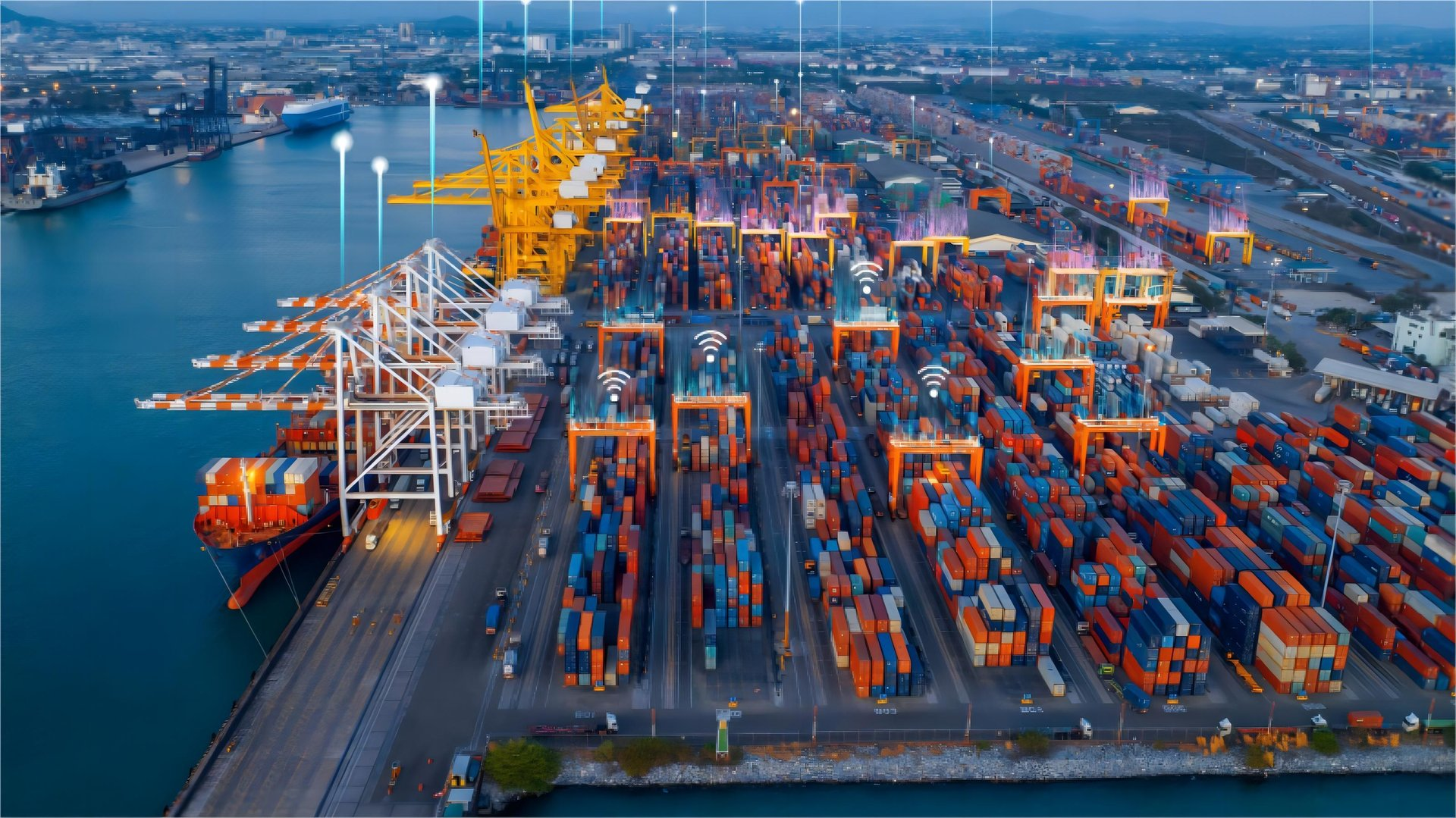
When planning your china b2b shipping service custom clearance, the choice between sea freight and air freight is usually driven by the product’s margin and shelf life. Sea freight is ideal for heavy commodities where the shipping cost per unit must be minimized to remain competitive. Furthermore, modern container ships have improved their fuel efficiency, making ocean transport a more sustainable choice in 2026.
On the other hand, air freight is the go-to solution for time-sensitive launches or inventory stock-outs. Although the costs are significantly higher, the reduction in transit time can save a business from losing market share. Additionally, air cargo handling is generally more secure, which reduces the risk of damage or theft for sensitive equipment. Indeed, a hybrid approach often yields the best results for complex supply chains.
Market data suggests that freight rates for ocean containers from China to North America have stabilized around $3,000 to $4,500 for a 40HQ container in Q1 2026. However, rates typically increase 15-25% during the August-October peak season as retailers prepare for the holidays. Therefore, booking at least 3-4 weeks in advance is highly recommended to secure space and avoid premium surcharges. Always consider the total door-to-door timeline when making your selection.
Managing Amazon FBA Logistics Requirements
Shipping directly to fulfillment centers requires specialized knowledge of Amazon FBA regulations. Amazon has very strict guidelines regarding palletization, labeling, and delivery appointments that must be followed precisely. Consequently, many B2B shippers choose a logistics partner who can provide prep services before the goods reach the warehouse. This strategy prevents costly rejections and ensures your products are available for sale quickly.
Furthermore, the customs clearance process for FBA shipments often involves a Power of Attorney (POA) for the customs broker to act on your behalf. In 2026, Amazon’s inventory placement fees have made it more important to choose the right port of entry. For instance, shipping to a West Coast port and trucking inland may be cheaper than a direct sea route to the East Coast. Meanwhile, maintaining a high IPI score requires consistent and predictable transit times from your Chinese suppliers.
Additionally, it is wise to consider the impact of seasonal demand on FBA warehouse capacity. During Q4, Amazon often restricts the amount of inventory you can send, making early shipping even more vital. By coordinating your china b2b shipping service custom clearance with a specialized provider, you can navigate these hurdles with ease. Nevertheless, always verify the latest Amazon packaging requirements as they are subject to frequent updates.
Door-to-Door Solutions for Modern B2B Importers
Many businesses are now opting for comprehensive door to door services to simplify their operations. This model covers everything from the factory pickup in China to the final delivery at your warehouse. Moreover, it includes all customs duties and taxes within a single quote, providing much-needed price transparency. Consequently, business owners can focus on sales and marketing rather than managing multiple logistics vendors.
In addition to convenience, door-to-door services often offer better cargo tracking and communication. You receive updates at every milestone, from the moment the container leaves the Shanghai port to its arrival at your facility. Furthermore, this integrated approach often results in faster customs clearance because the broker and the carrier are part of the same network. As a result, the overall lead time is reduced, and the risk of communication errors is minimized.
While this service may carry a slight premium over port-to-port shipping, the time savings are often worth the investment. For example, a small business importing 5 CBM of goods might find that the administrative hours saved outweigh the extra cost. On the other hand, larger corporations with dedicated logistics teams might still prefer to manage individual segments. Ultimately, the choice depends on your internal resources and the complexity of your supply chain.
Real-World Case Studies: China B2B Shipping in 2026
Case Study 1: High-Volume Electronics to Los Angeles Route: Shenzhen, China to Los Angeles, USA Cargo: Consumer Electronics, 65 CBM, 12,000 kg Container: 1 x 40HQ Shipping Details: – Carrier: Major Trans-Pacific Carrier – Port of Loading: Shenzhen – Port of Discharge: Los Angeles – Route Type: Direct Cost Breakdown: – Ocean Freight: $3,850 – Origin Charges: $450 – Destination Charges: $600 – Customs and Duties: $4,200 – Total Landed Cost: $9,100 Timeline: – Booking to Loading: 4 days – Sea Transit: 15 days – Customs Clearance: 2 days – Total Door-to-Door: 24 days Key Insight: Early booking during the 2026 Q1 period secured a rate 15% below the seasonal average.
Case Study 2: Industrial Machinery to Germany via Rail Route: Chengdu, China to Hamburg, Germany Cargo: CNC Machinery, 15 CBM, 5,500 kg Container: LCL Shipment Shipping Details: – Carrier: China-Europe Railway Express – Port of Loading: Chengdu Rail Terminal – Port of Discharge: Hamburg Terminal – Route Type: Direct Rail Cost Breakdown: – Rail Freight: $2,400 – Origin Charges: $300 – Destination Charges: $550 – Customs and Duties: $1,800 – Total Landed Cost: $5,050 Timeline: – Booking to Loading: 6 days – Rail Transit: 19 days – Customs Clearance: 3 days – Total Door-to-Door: 32 days Key Insight: Rail freight provided a 15-day advantage over sea freight at a fraction of the air freight cost.
Case Study 3: Urgent Textile Samples to London Route: Guangzhou, China to London, UK Cargo: Fabric Samples, 0.5 CBM, 80 kg Container: Express Air Shipping Details: – Carrier: International Express Service – Port of Loading: Guangzhou Airport – Port of Discharge: Heathrow Airport – Route Type: Direct Air Cost Breakdown: – Air Freight: $850 – Origin Charges: $100 – Destination Charges: $120 – Customs and Duties: $250 – Total Landed Cost: $1,320 Timeline: – Booking to Loading: 1 day – Air Transit: 2 days – Customs Clearance: 1 day – Total Door-to-Door: 5 days Key Insight: Express service was essential for meeting a critical production deadline for a new fashion line.
Which Option Should You Choose? Decision Framework
Deciding on the best china b2b shipping service custom clearance path involves analyzing your budget, speed requirements, and cargo type. If your primary goal is cost reduction and you have a flexible timeline, sea freight is the clear winner. However, if you are shipping perishable goods or high-value tech, the speed and security of air freight are indispensable. Furthermore, rail freight is increasingly popular for businesses serving the European market who need a reliable middle ground.
Consider the following criteria for your 2026 strategy: For shipments under 1 CBM, express or air freight is usually more efficient. Conversely, for shipments over 15 CBM, a 20GP container often becomes more economical than LCL sea freight. Additionally, always factor in the cost of customs duties and local taxes when comparing quotes. Indeed, a lower freight rate can sometimes be offset by higher destination fees or slower clearance times.
Note: Freight rates are subject to change based on fuel costs, carrier capacity, and seasonal demand. Contact us for a current quote tailored to your specific shipment. Market data suggests that rates for 2026 have remained relatively stable, but geopolitical shifts can still influence pricing with little notice. Therefore, maintaining a relationship with a versatile logistics partner is your best defense against market volatility.
Final Thoughts on B2B Logistics Success
Mastering the china b2b shipping service custom clearance process is a journey of continuous improvement and strategic planning. By understanding the various shipping methods and the importance of accurate documentation, you can significantly reduce your supply chain risks. Moreover, leveraging the expertise of a professional freight forwarder allows you to navigate the complexities of international trade with confidence.
As we move through 2026, staying adaptable to new regulations and market trends will be the key to maintaining a competitive edge. Whether you choose sea, air, or rail, the goal remains the same: efficient, cost-effective, and reliable delivery of your goods. Consequently, investing time in your logistics strategy today will pay dividends in the long-term growth of your business.
Need a tailored shipping solution?
Ready to streamline your china b2b shipping service custom clearance and reduce your landed costs? Our team of experts is standing by to provide a customized quote for your next shipment. Visit our website to learn more about our comprehensive logistics solutions or contact us directly to start your inquiry. Send Inquiry: https://logisticsfromchina.com/