
China Freight Forwarder Quote Shipping Rates: 2026 Price Guide
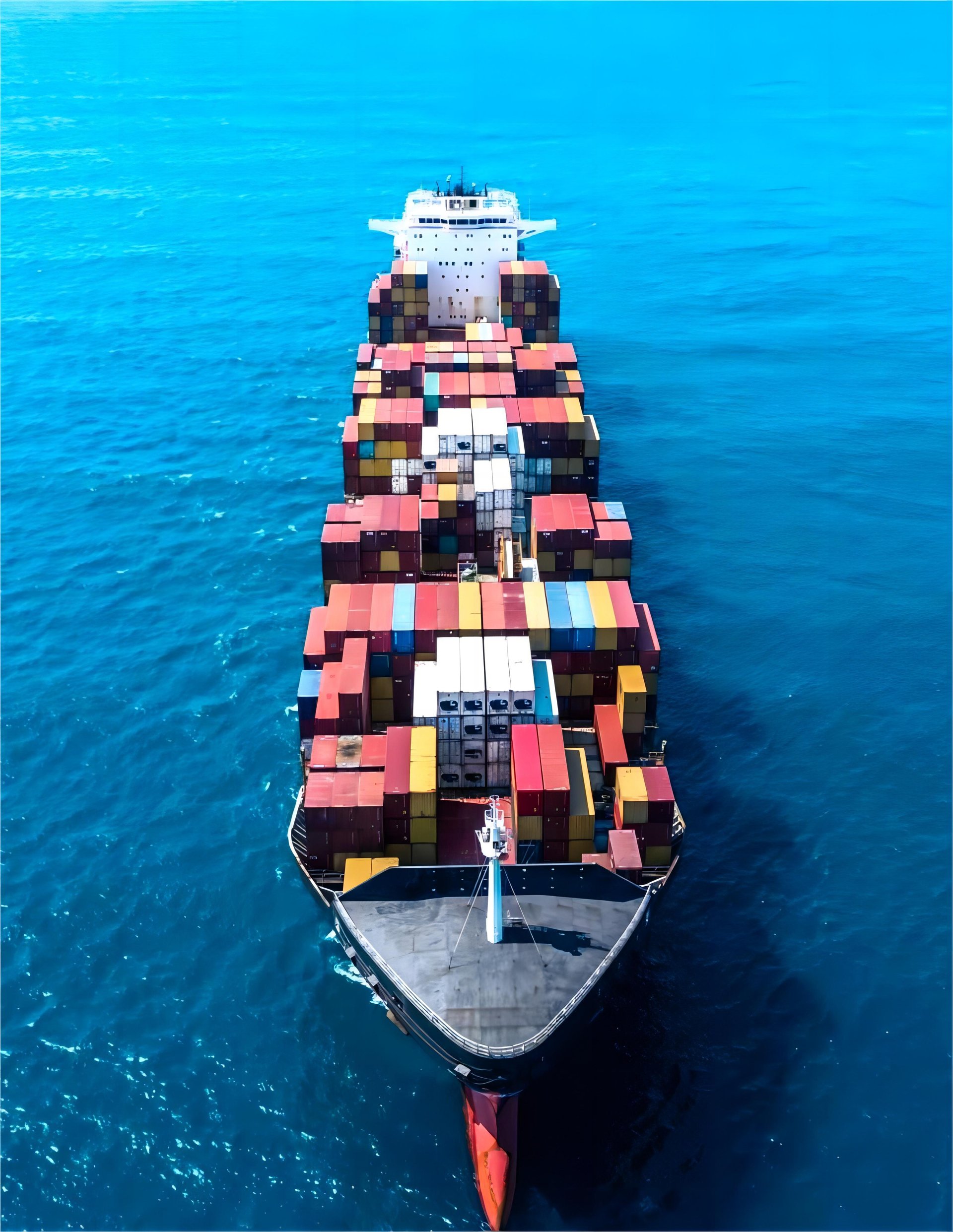
Securing a competitive china freight forwarder quote shipping rates is the first step toward building a resilient and profitable international business. Many importers struggle with the complexity of global logistics, often encountering unexpected fees or delays that disrupt their operations. Consequently, understanding the nuances of current market pricing is essential for anyone sourcing goods from Chinese manufacturing hubs in 2026.
What Factors Determine Your China Freight Forwarder Quote Shipping Rates?
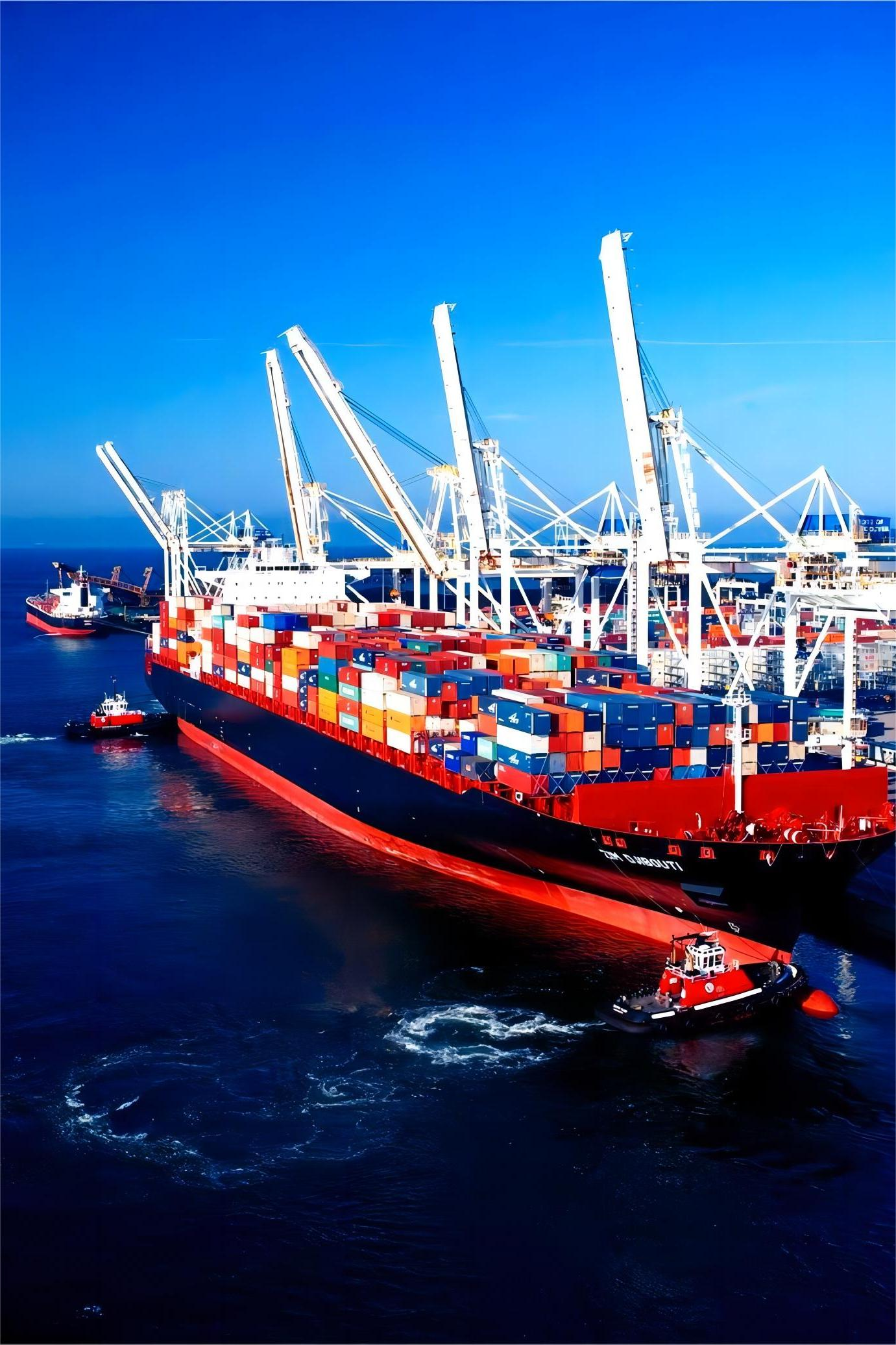
Several variables influence the final price you see on a logistics estimate. For instance, fuel surcharges fluctuate based on global oil prices, directly impacting the bunker adjustment factor applied by ocean carriers. Moreover, the weight and volume of your cargo play a primary role in determining whether you pay per kilogram or per cubic meter.
Seasonality remains a major driver of cost variations throughout the year. Specifically, during the peak season from August to October, demand for space on vessels increases significantly. Consequently, businesses often see a 15 to 25 percent spike in rates during this period. Therefore, planning your shipments well in advance of major holidays like the Chinese New Year is a wise financial strategy.
Port congestion and labor availability also contribute to price volatility. Meanwhile, technological advancements in tracking and cargo handling have helped stabilize some operational costs. Nevertheless, shippers must remain vigilant and request updated quotes frequently to account for these shifting market conditions.
How Does Sea Freight Compare to Other Shipping Options?
Choosing the right transport mode requires a careful balance between speed and budget. For large volumes of goods, sea freight remains the most economical choice for most businesses. In contrast, air freight offers unmatched speed but comes at a significantly higher price point.
Rail freight has emerged as a popular middle-ground solution for shipments traveling to Europe. It provides faster transit times than the ocean while keeping costs much lower than air transport. However, it is important to note that rail options are not available for routes to North America or Australia due to geographical constraints.
Market data suggests that choosing the wrong method can increase your landed cost by over 30 percent. Thus, comparing all viable alternatives is necessary for maintaining a healthy margin.
| Shipping Method | Cost Range | Transit Time | Best For |
|---|---|---|---|
| Sea Freight | $1,500 – $4,500 per Container | 14 – 40 Days | Bulk Goods & Large Volumes |
| Air Freight | $4.50 – $9.00 per Kilogram | 3 – 7 Days | High-Value & Urgent Items |
| Rail Freight | $80 – $150 per Cubic Meter | 18 – 25 Days | Mid-Sized Europe Shipments |
| Express Service | $6.00 – $12.00 per Kilogram | 2 – 5 Days | Small Samples & Documents |
Why Should You Consider Rail Freight for Mid-Range Budgets?
As of early 2026, rail freight continues to gain traction among European importers. This method bypasses traditional maritime bottlenecks and offers a more predictable delivery schedule. Additionally, the carbon footprint of rail transport is lower than that of air freight, making it an attractive option for environmentally conscious brands.
Transit times for rail shipments typically range from 18 to 25 days depending on the specific destination in Europe. Furthermore, the cost is often 50 percent less than air freight for the same volume. Indeed, many companies use rail as a strategic alternative when sea freight is too slow and air freight is too expensive.
Note: Freight rates are subject to change based on fuel costs, carrier capacity, and seasonal demand. Contact us for a current quote tailored to your specific shipment.
Can Air Freight Justify Its Cost for Your 2026 Shipments?
When time is the most critical factor, air freight is the only viable solution. For example, electronics manufacturers often use air transport to launch new products simultaneously across global markets. Moreover, air shipping reduces the risk of damage and theft compared to longer sea voyages.
Inventory carrying costs are another factor to consider when evaluating air freight. Because goods arrive faster, businesses can maintain lower stock levels and improve their cash flow. Consequently, the higher initial shipping cost is sometimes offset by reduced warehousing expenses and faster sales cycles.
Ultimately, the decision to use air freight depends on your product margins and the urgency of the delivery. For shipments under 300 kilograms, the price gap between air and sea starts to narrow significantly.
How Do Customs Brokerage Fees Impact Your Total Landed Cost?
Navigating the legal requirements of international trade is a complex task for any importer. Utilizing a professional customs brokerage service ensures that your goods comply with all local regulations. Furthermore, accurate classification of your products can prevent costly fines and shipment seizures at the border.
Customs duties and taxes are often the largest component of your total landed cost after the freight itself. Therefore, calculating these expenses before you place an order is vital for accurate budgeting. Specifically, you should verify the Harmonized System (HS) codes for your items to determine the exact duty rates applicable in 2026.
Delays at customs can lead to expensive demurrage and detention charges at the port. To avoid these issues, ensure that all documentation, including the commercial invoice and packing list, is complete and accurate.
What Are the Best Shipping Strategies for North America in 2026?
Shipping routes to North America have seen significant infrastructure improvements over the last year. For instance, West Coast ports like Los Angeles and Long Beach have implemented automated systems to speed up container processing. Consequently, transit times for direct routes from Shanghai have stabilized at around 14 to 18 days.
East Coast destinations generally require longer transit times as vessels must pass through the Panama Canal. Alternatively, some shippers choose a land-bridge strategy, unloading on the West Coast and moving goods via rail to the East. This approach can save several days but often increases the total china freight forwarder quote shipping rates.
Market intelligence suggests that booking your space at least four weeks in advance is necessary to secure the best rates for trans-Pacific routes. In addition, diversifying your ports of entry can help mitigate the risk of localized labor disputes or congestion.
Understanding Amazon FBA Logistics Requirements
Selling on global marketplaces requires strict adherence to specific labeling and packaging standards. Our Amazon FBA services simplify this process by handling everything from the factory floor to the fulfillment center. Moreover, we ensure that your cargo meets Amazon’s rigorous requirements to avoid rejection at their warehouses.
Shipping directly to FBA centers can save you time and reduce secondary domestic shipping costs. However, you must ensure that your freight forwarder is experienced with the appointment scheduling system used by Amazon. Failure to follow these protocols can result in significant delays and additional storage fees.
Many successful sellers use a hybrid model, storing bulk inventory in a third-party warehouse and replenishing FBA stock as needed. This strategy provides more flexibility and can lower your overall storage costs during the off-season.
Case Studies: Real-World Shipping Scenarios in 2026
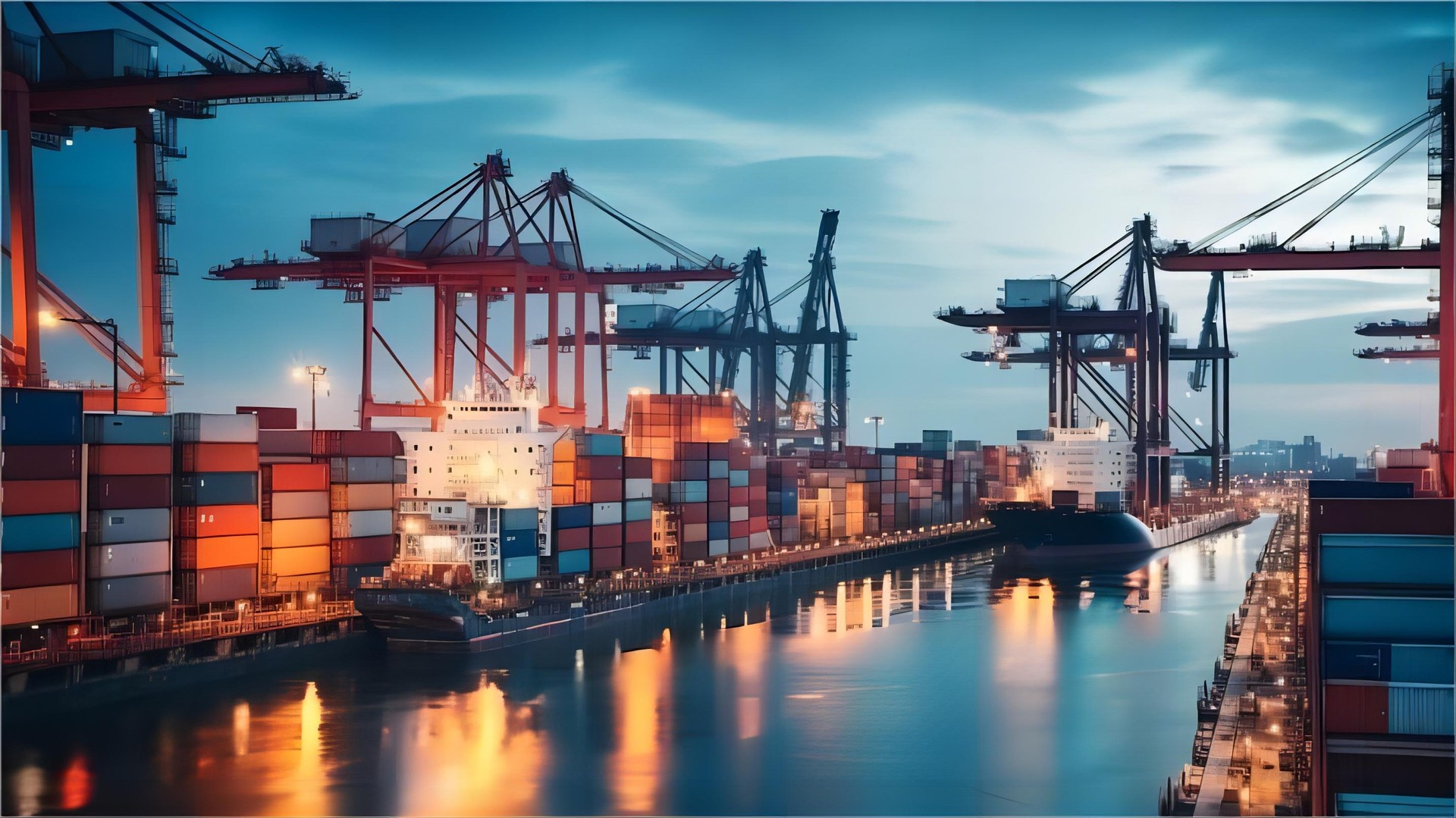
Reviewing actual shipment data helps provide a realistic expectation of costs and timelines. Below are two examples of typical shipments handled in the current market environment.
Case Study 1: Shenzhen to Los Angeles. Route: Shenzhen, China to Los Angeles, USA. Cargo: Consumer Electronics, 28 CBM, 4500 kg. Container: 40GP. Shipping Details: Major carrier, Port of Loading: Shenzhen, Port of Discharge: Los Angeles, Route Type: Direct. Cost Breakdown: Ocean Freight: $3,200. Origin Charges: $450. Destination Charges: $600. Customs and Duties: $1,200. Total Landed Cost: $5,450. Timeline: Booking to Loading: 4 days, Sea Transit: 16 days, Customs Clearance: 2 days, Total Door-to-Door: 22 days. Key Insight: Early booking allowed the client to lock in a rate before the mid-month increase.
Case Study 2: Shanghai to Rotterdam. Route: Shanghai, China to Rotterdam, Netherlands. Cargo: Industrial Textiles, 12 CBM, 2100 kg. Container: LCL. Shipping Details: Major carrier, Port of Loading: Shanghai, Port of Discharge: Rotterdam, Route Type: Direct. Cost Breakdown: Ocean Freight: $1,100. Origin Charges: $300. Destination Charges: $400. Customs and Duties: $800. Total Landed Cost: $2,600. Timeline: Booking to Loading: 5 days, Sea Transit: 32 days, Customs Clearance: 3 days, Total Door-to-Door: 40 days. Key Insight: LCL was chosen over FCL as the volume did not justify a full 20GP container.
Which Option Should You Choose for Your Business?
Deciding on a logistics strategy depends on your specific business priorities. If your primary goal is cost reduction, sea freight is almost always the best choice for bulk orders. On the other hand, if you are shipping perishable goods or high-demand fashion items, the speed of air freight is worth the premium price.
Hybrid solutions like sea-air combinations offer a compromise for those who need a balance of both. For example, shipping by sea to a hub like Dubai and then by air to Europe can cut transit time by 40 percent compared to pure sea freight. Meanwhile, the cost remains much lower than a full air freight service.
Consider the following decision framework: For shipments over 15 CBM, choose FCL sea freight. For urgent cargo under 100 kg, choose express or air freight. For mid-range shipments to Europe, explore rail freight options.
| Priority | Recommended Method | Average Cost | Key Benefit |
|---|---|---|---|
| Lowest Cost | Sea Freight (FCL) | Low | Maximum Volume |
| Fastest Delivery | Air Freight | High | Rapid Turnover |
| Balanced Speed/Cost | Rail Freight | Medium | Reliable Schedule |
| Small Shipments | Sea Freight (LCL) | Medium-Low | Pay Only For Space Used |
Mastering Your Logistics Strategy
In conclusion, obtaining an accurate china freight forwarder quote shipping rates is vital for any business involved in international trade. By understanding the factors that influence pricing, from seasonality to transport modes, you can make informed decisions that protect your profit margins. Whether you choose the speed of air, the economy of sea, or the reliability of rail, the key is to work with a partner who provides transparency and expertise.
Ultimately, the global logistics landscape in 2026 requires flexibility and proactive planning. We encourage you to use the data and strategies outlined in this guide to refine your shipping processes and achieve greater efficiency in your global operations.
Need a tailored shipping solution?
Ready to optimize your supply chain with the most competitive china freight forwarder quote shipping rates? Contact our expert team at Logistics From China today for a personalized consultation and a transparent price breakdown for your next shipment. Send Inquiry