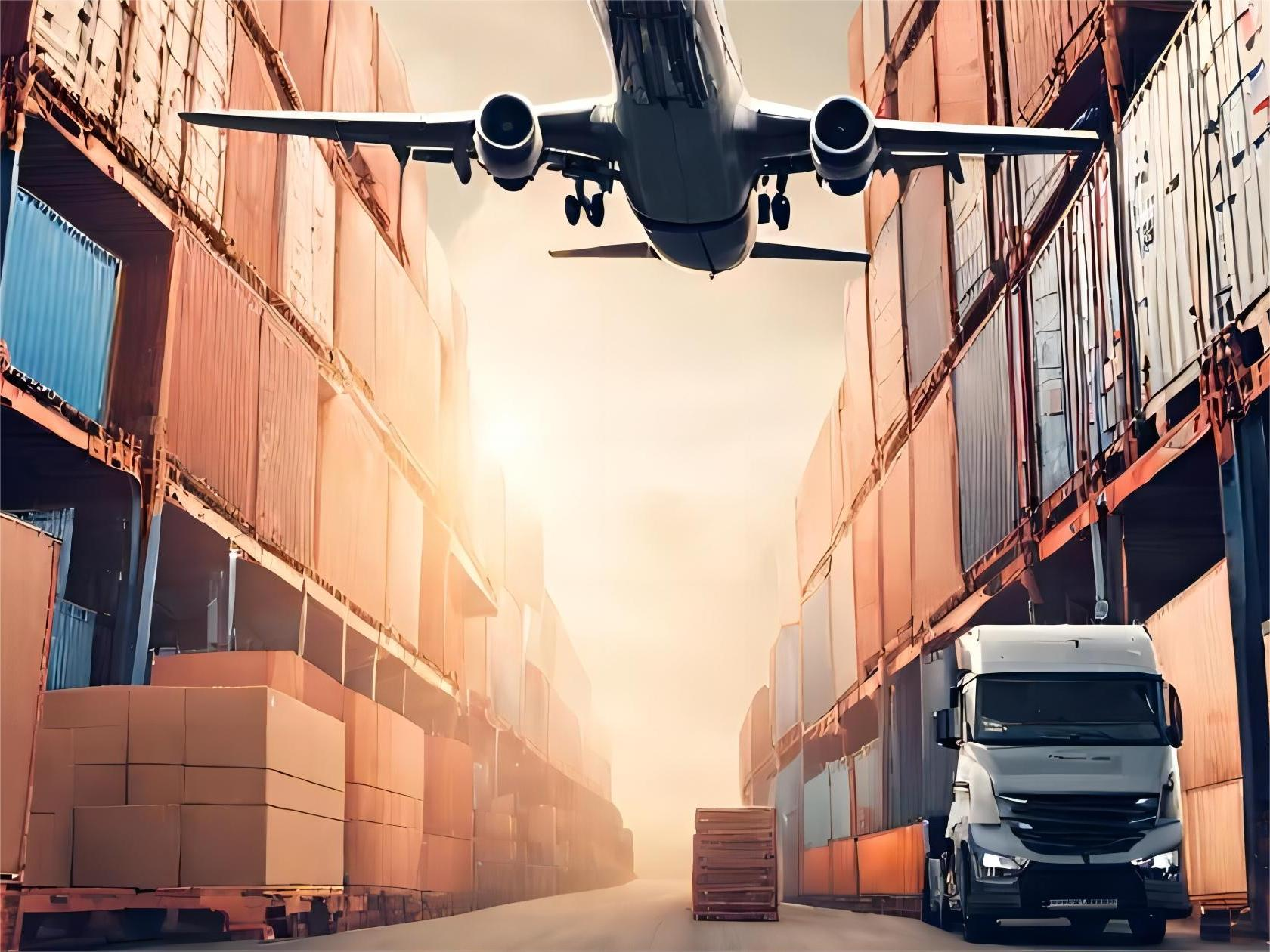
China Shipping Quote Online Local Warehouse: The 2026 Strategic Guide
Navigating the complexities of international trade requires precision, especially when you need a china shipping quote online local warehouse solution to streamline your operations. Modern importers frequently struggle with fluctuating freight rates and unpredictable delivery schedules that can disrupt an entire global supply chain. By partnering with Logistics From China, you gain access to real-time data and strategic storage options that simplify the transition from manufacturing to final delivery. This guide explores how digital tools and regional storage hubs are revolutionizing the way businesses manage their cargo in 2026.
Why Use an Online Quote for China Shipping?
Obtaining a China shipping quote online local warehouse estimate allows businesses to react quickly to market shifts. Historically, waiting days for a manual quote from a freight forwarder could result in missed vessel departures or increased costs. Consequently, digital platforms now provide instant visibility into current market rates, enabling better budget planning and cargo handling decisions.
Furthermore, these online tools integrate various logistics trends to ensure that the data provided reflects the most recent fuel surcharges and port congestion updates. In addition to speed, the transparency offered by digital quotes helps importers identify hidden fees that might otherwise appear on a final invoice. Therefore, utilizing an automated system is no longer just a convenience but a necessity for maintaining a competitive edge in 2026.
Specifically, sea freight remains a primary focus for these digital tools due to its high volume and complex pricing structures. By entering your cargo dimensions and destination once, you can compare multiple carriers and routes simultaneously. This efficiency reduces the administrative burden on your procurement team, allowing them to focus on core business growth rather than manual data entry.
The Strategic Advantage of Local Warehousing in 2026
Strategic placement of goods within a bonded warehouse in China can significantly reduce your overall transit time. When products are stored near major ports like Ningbo or Shenzhen, the lead time between an order placement and vessel loading is minimized. Meanwhile, these facilities offer value-added services such as labeling, kitting, and quality control inspections before the goods ever leave the country.
Moreover, using a local warehouse allows for consolidated shipping, where multiple small orders are combined into a single container to save on costs. This approach is particularly beneficial for businesses utilizing Amazon FBA, as it ensures that inventory is prepped according to strict platform requirements. Consequently, the risk of rejection at the destination fulfillment center is greatly reduced.
Additionally, local storage provides a buffer against supply chain disruptions, such as factory delays or seasonal labor shortages during the Lunar New Year. By maintaining a small inventory in China, you can continue to fulfill orders even when production temporarily halts. Indeed, this flexibility is a cornerstone of modern resilient logistics strategies.
How to Compare China Shipping Quote Online Local Warehouse Data
Identifying the best value requires more than just looking at the bottom-line price on a digital quote. You must also evaluate the reliability of the carrier, the frequency of sailings, and the availability of door to door services. Many platforms now include performance ratings for different shipping lines, helping you choose a partner that balances cost with consistency.
Understanding the difference between FCL and LCL costs is another critical component of the quoting process. For instance, if your shipment is under 15 cubic meters, a Less than Container Load (LCL) option might be more economical, though it involves more cargo handling. On the other hand, Full Container Load (FCL) shipping offers more security and faster processing at the port of discharge.
As a result of these variables, it is essential to use a platform that allows for side-by-side comparisons of different shipping methods. Whether you are looking for the lowest cost or the fastest delivery, having all the data in one place simplifies the decision-making process. Consequently, businesses can optimize their shipping spend without sacrificing service quality.
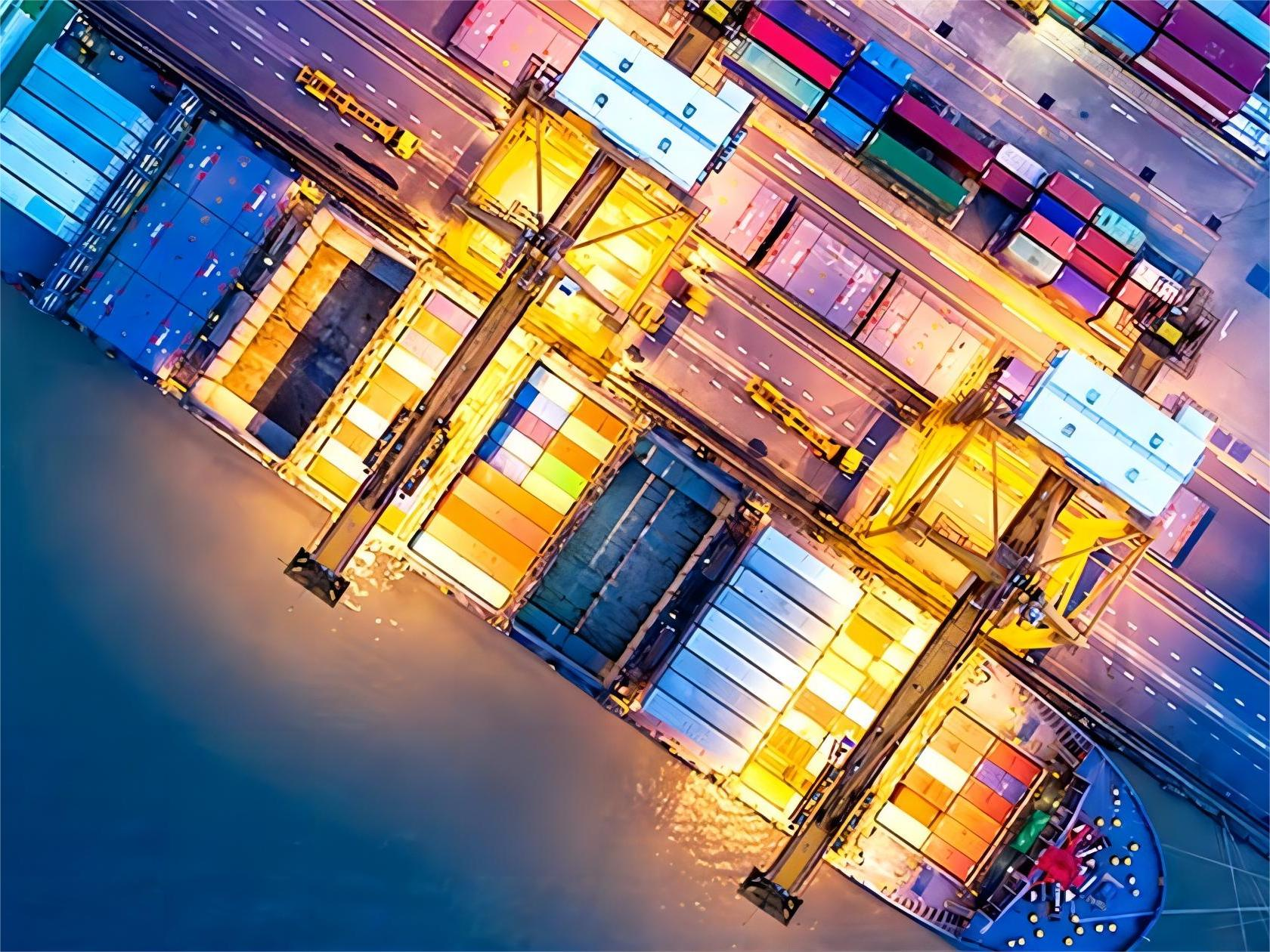
How Does Sea Freight Compare to Other Shipping Options?
Comparing sea freight to air or rail options is vital for determining the most efficient route for your specific cargo. While ocean transport is generally the most cost-effective for large volumes, it has the longest transit times, often exceeding 30 days for long-haul routes. In contrast, air freight offers unmatched speed but comes at a significant premium, often costing five to ten times more than sea transport.
Rail freight has emerged as a popular middle ground, particularly for shipments traveling from China to Europe. It provides a faster alternative to the sea while remaining much cheaper than air, making it ideal for high-value electronics or seasonal apparel. However, rail capacity can be limited, and rates fluctuate based on geopolitical stability along the Silk Road routes.
| Method | Cost Range (USD) | Transit Time | Best For |
|---|---|---|---|
| Sea Freight (40HQ) | $3,000 – $6,000 | 25-45 Days | Bulk goods and low urgency |
| Air Freight (500kg) | $2,500 – $4,500 | 3-7 Days | High-value, urgent items |
| Rail Freight (40HQ) | $4,500 – $7,500 | 18-22 Days | Mid-range budget and speed |
| Express Service | $10 – $15 per kg | 2-4 Days | Small samples and documents |
Understanding China Shipping Quote Online Local Warehouse Alternatives
Implementing alternative strategies can often lead to significant cost savings and improved supply chain resilience. For example, a sea-air hybrid solution involves shipping goods by sea to a hub like Dubai and then flying them to the final destination. This method is faster than sea alone but significantly cheaper than a full air freight journey from China.
Managing your imports through a rail freight connection can also be a viable alternative for landlocked regions in Europe. Meanwhile, for smaller shipments, using an express courier might be more efficient than traditional freight forwarding due to simplified customs processes. Therefore, evaluating all available modes is crucial for a comprehensive logistics plan.
| Strategy | Cost Impact | Time Impact | Use Case |
|---|---|---|---|
| Sea-Air Hybrid | Medium | 15-20 Days | Urgent stock replenishment |
| Transshipment | Low (10% save) | Adds 5-7 Days | Non-urgent bulk orders |
| Direct Rail | Medium-High | 18-22 Days | China to Europe inland |
| Multi-modal | Variable | Optimized | Complex door-to-door routes |
Real-World Case Studies for 2026
Analyzing real-world examples provides a clearer picture of how a china shipping quote online local warehouse strategy works in practice. Below are three scenarios based on typical market conditions as of early 2026.
Case Study 1: Electronics to USA West Route: Shenzhen, China to Los Angeles, USA Cargo: Consumer Electronics, 28 CBM, 4500 kg Container: 40GP Shipping Details: – Carrier: Major Carrier – Port of Loading: Shenzhen – Port of Discharge: Los Angeles – Route Type: Direct Cost Breakdown: – Ocean Freight: $3,200 – Origin Charges: $450 – Destination Charges: $600 – Customs and Duties: $1,200 – Total Landed Cost: $5,450 Timeline: – Booking to Loading: 3 days – Sea Transit: 16 days – Customs Clearance: 2 days – Total Door-to-Door: 21 days Key Insight: Using a local warehouse in Shenzhen allowed for rapid consolidation and loading, beating the peak season congestion.
Case Study 2: Auto Parts to Europe Route: Chengdu, China to Warsaw, Poland Cargo: Industrial Auto Parts, 12 CBM, 3200 kg Container: LCL Shipping Details: – Service: Rail Freight – Port of Loading: Chengdu Rail Terminal – Port of Discharge: Warsaw Terminal – Route Type: Direct Rail Cost Breakdown: – Rail Freight: $2,800 – Origin Charges: $300 – Destination Charges: $400 – Customs and Duties: $850 – Total Landed Cost: $4,350 Timeline: – Booking to Loading: 4 days – Rail Transit: 20 days – Customs Clearance: 3 days – Total Door-to-Door: 27 days Key Insight: Rail freight provided a 15-day time saving over sea freight at a manageable cost increase for high-priority parts.
Case Study 3: Retail Goods to Australia Route: Ningbo, China to Sydney, Australia Cargo: Apparel and Textiles, 65 CBM, 8000 kg Container: 40HQ Shipping Details: – Carrier: Regional Specialist – Port of Loading: Ningbo – Port of Discharge: Sydney – Route Type: Direct Cost Breakdown: – Ocean Freight: $1,850 – Origin Charges: $350 – Destination Charges: $500 – Customs and Duties: $900 – Total Landed Cost: $3,600 Timeline: – Booking to Loading: 3 days – Sea Transit: 14 days – Customs Clearance: 2 days – Total Door-to-Door: 19 days Key Insight: Direct routing from Ningbo avoided transshipment delays in Singapore, ensuring stock arrived for the Q1 sales season.
Note: Freight rates are subject to change based on fuel costs, carrier capacity, and seasonal demand. Contact us for a current quote tailored to your specific shipment.
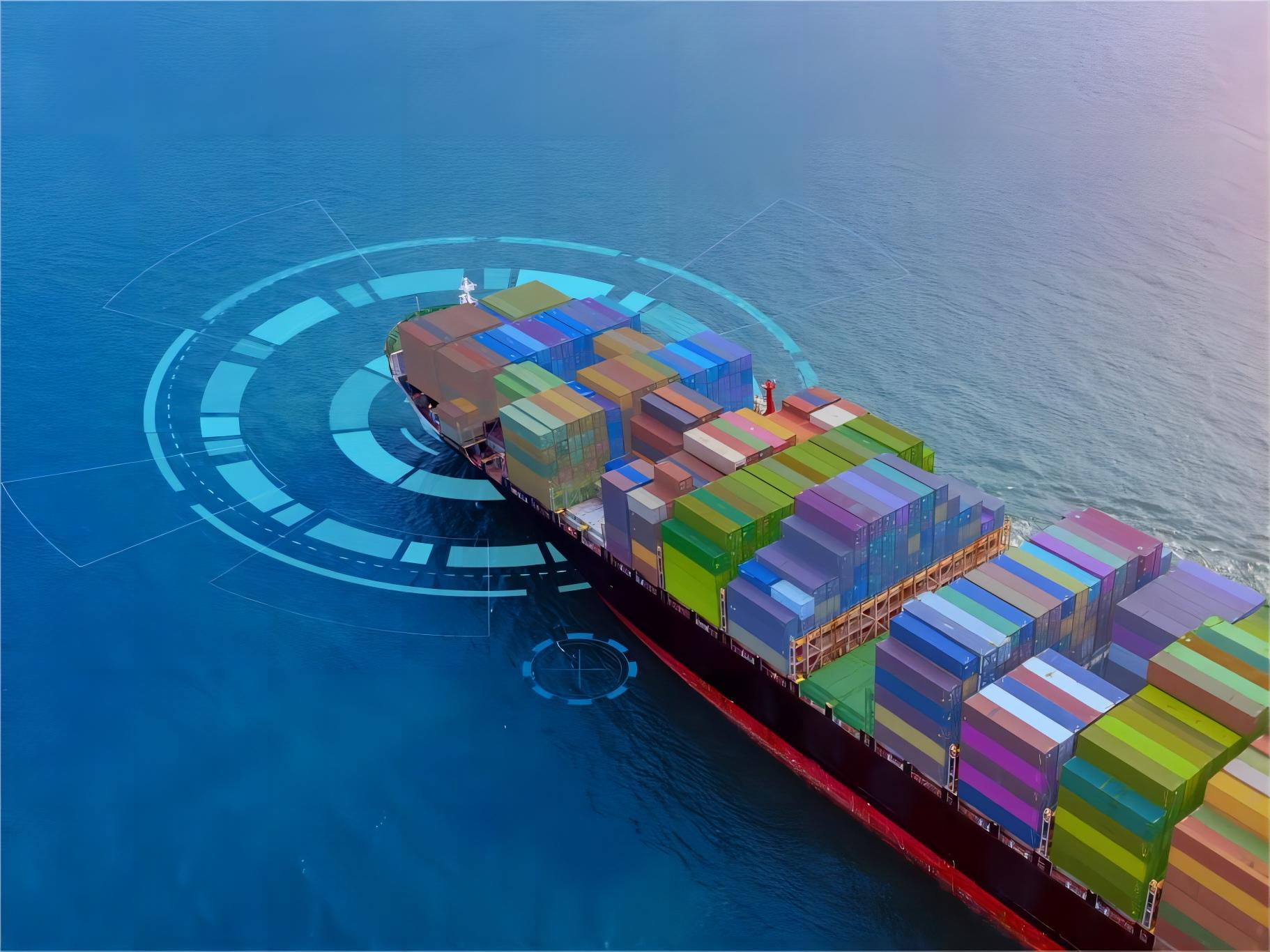
Which Option Should You Choose?
Selecting the right shipping method depends heavily on your budget priority and inventory turnover speed. If your primary goal is cost reduction, sea freight is almost always the winner for large volumes. However, if you are dealing with perishable goods or high-value electronics, the speed of air freight justifies the higher expense.
Reviewing your cargo type is also essential when navigating customs brokerage requirements. Different products may face varying tariffs or inspection protocols depending on the destination country. Consequently, a comprehensive logistics strategy must account for these regulatory hurdles to avoid costly delays at the border.
Finally, consider the volume thresholds for switching between methods. For example, once a shipment exceeds 15-20 CBM, it often becomes cheaper to book a 20GP container rather than paying for LCL space. By analyzing these tipping points, you can make more informed decisions that protect your profit margins.
Mastering Your China Shipping Strategy
Achieving success in international trade requires a deep understanding of the china shipping quote online local warehouse ecosystem. By leveraging digital quoting tools and strategic storage hubs, importers can navigate the complexities of 2026 logistics with confidence. Whether you choose sea, air, or rail, the key is to remain flexible and informed about market trends.
In conclusion, the integration of technology and physical infrastructure is the most effective way to manage global supply chains today. As rates and transit times continue to fluctuate, having a reliable partner and a clear data-driven strategy will ensure your goods move efficiently from China to the world.
Need a tailored shipping solution?
Ready to optimize your supply chain with a competitive China shipping quote online local warehouse solution? Contact Logistics From China today to receive a personalized freight assessment and discover how our integrated warehouse services can save you time and money in 2026. Visit our website to start your inquiry.