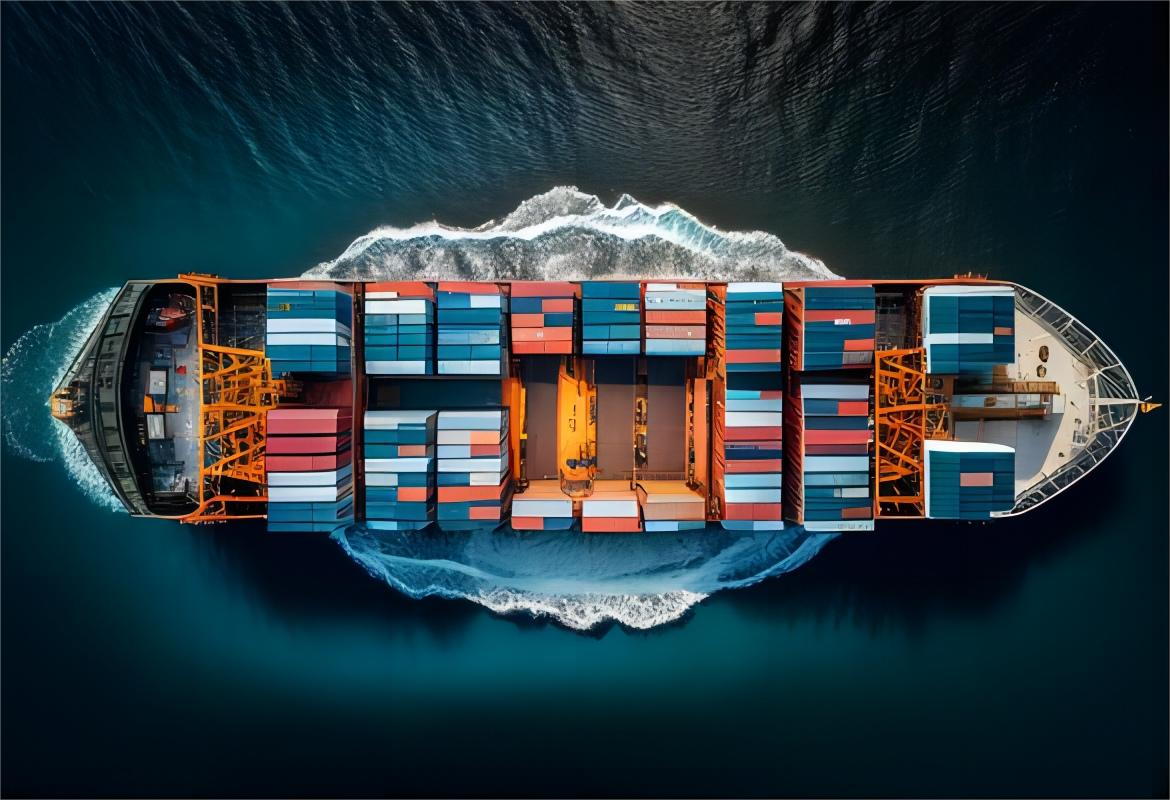

Choosing a Reliable Shipping Company China to USA in 2026
Navigating the complexities of international trade requires a reliable shipping company china to usa to ensure your goods arrive safely and on time. As market conditions evolve in 2026, businesses must adapt to shifting freight rates and new customs regulations to maintain a competitive edge. This comprehensive guide explores the essential factors in selecting a logistics partner, comparing shipping methods, and optimizing your supply chain for maximum efficiency and cost savings.
✦
What Should You Look for in a Shipping Company China to USA?
Selecting the right partner involves more than just comparing the lowest price quotes available on the market. Furthermore, you must evaluate the company’s experience in handling specific types of cargo and their familiarity with both Chinese export laws and American import regulations.
Experienced freight forwarders provide a safety net against common logistical hurdles like port congestion or documentation errors. Consequently, working with an established firm ensures that your supply chain remains resilient even during peak seasons or global disruptions.
Verify that your chosen provider holds the necessary licenses, such as NVOCC certification, to operate legally and securely. Additionally, a robust network of local agents in both China and the United States is crucial for seamless communication and problem-solving.
How Do Shipping Methods Compare for the China to USA Route?
Understanding the differences between ocean freight, air freight, and express services is fundamental for any importer. For instance, sea freight remains the most cost-effective solution for large volumes, although it requires much longer transit times.
Meanwhile, air freight offers speed and security for high-value or time-sensitive shipments, though the costs are significantly higher. Therefore, businesses must balance their budget constraints against their inventory needs when choosing a method.
The following table provides a clear comparison of the primary shipping options available in 2026 for the trans-Pacific route.
| Method | Transit Time | Cost Level | Best For |
|---|---|---|---|
| Sea Freight (FCL) | 18-35 Days | Low | Bulk goods, heavy items |
| Sea Freight (LCL) | 25-45 Days | Moderate | Small volumes, pallets |
| Air Freight | 5-10 Days | High | Electronics, urgent stock |
| Express Service | 3-5 Days | Very High | Samples, documents |
How Does Sea Freight Compare to Other Shipping Options?
While sea freight is the backbone of global trade, it is not always the optimal choice for every scenario. In contrast to air transport, ocean shipping is subject to weather conditions and port labor issues that can cause unpredictable delays.
However, for shipments exceeding 15 cubic meters, sea freight offers a massive reduction in landed costs compared to air cargo. For example, a 40HQ container might cost 3,500 dollars, whereas the same volume by air would exceed 20,000 dollars.
Hybrid solutions like sea-air freight have gained popularity in 2026 as a middle-ground strategy. These services involve shipping goods by sea to a hub like Dubai or Korea and then flying them to the USA, saving 30 percent in costs compared to pure air freight.
| Shipping Method | Cost Range | Transit Time | Limitations |
|---|---|---|---|
| Direct Ocean | 2,500 – 4,500 USD | 14-30 Days | Port congestion risks |
| Transshipment | 2,000 – 3,800 USD | 25-40 Days | Higher damage risk |
| Sea-Air Hybrid | 6,000 – 9,000 USD | 15-20 Days | Complex handling |

Which Option Should You Choose for Your Business?
Budget priority: If your primary goal is to minimize expenses and you have flexible deadlines, ocean freight is the clear winner. Moreover, using LCL services allows smaller businesses to benefit from sea rates without filling an entire container.
Speed priority: When you need to restock quickly or meet a product launch deadline, air freight is essential. Indeed, the higher cost is often justified by the prevention of lost sales and the ability to maintain lower inventory levels.
Cargo type considerations: Hazardous materials or extremely oversized equipment may be restricted to specific ocean vessels. Conversely, perishables and high-fashion items are almost exclusively moved via air or express channels.
Understanding Transit Times and Port Logistics
Transit times vary significantly based on the destination port in the United States. Specifically, shipping from Shenzhen to Los Angeles is much faster than shipping from Shanghai to Savannah on the East Coast.
Direct routes to the West Coast typically take 14 to 18 days of sea time. On the other hand, shipments heading to the East Coast via the Panama Canal can take 30 to 35 days depending on carrier schedules and canal traffic.
Inland delivery adds another 3 to 7 days to the total timeline. Consequently, you must account for trucking and rail transport when calculating your total door-to-door lead time.
Optimizing Amazon FBA Shipping from China
E-commerce sellers often utilize specialized Amazon FBA services to streamline their supply chain. These providers handle everything from labeling and palletizing to final delivery at Amazon fulfillment centers.
Market data suggests that using an all-in-one FBA forwarder can reduce logistics headaches by 40 percent. Furthermore, these companies often offer DDP (Delivered Duty Paid) terms, which simplifies the tax and duty process for the seller.
According to industry benchmarks, FBA shipments require strict adherence to packaging standards. Therefore, choosing a shipping company China to USA with FBA expertise is vital to avoid costly warehouse rejections.
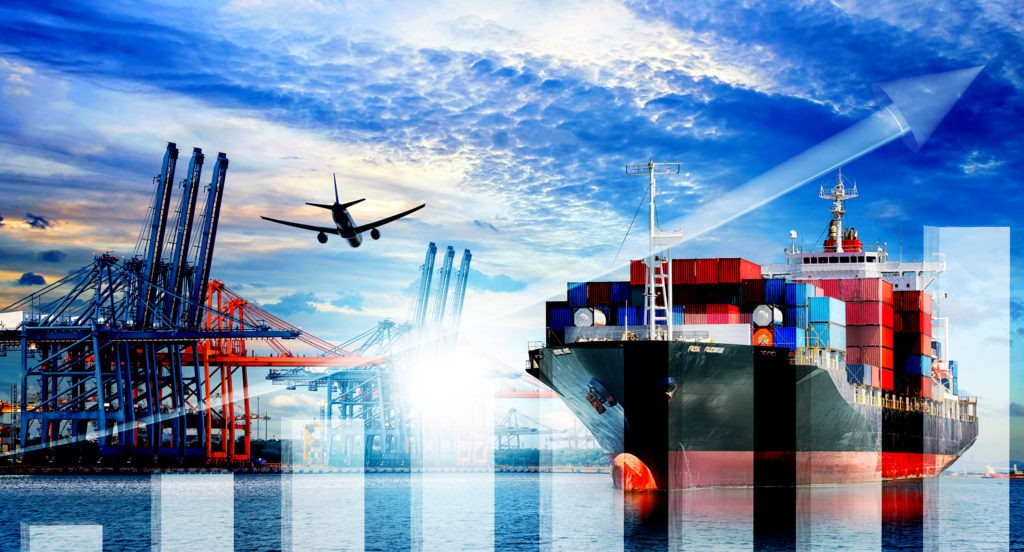
Navigating Customs and Documentation in 2026
Proper documentation is the most critical factor in avoiding customs delays at US ports. Every shipment must be accompanied by a commercial invoice, packing list, and bill of lading, among other required forms.
Professional customs brokerage services ensure that your goods are classified correctly under the Harmonized Tariff Schedule. As a result, you avoid overpaying duties and minimize the risk of expensive inspections or penalties.
Typical rates for customs clearance services in 2026 range from 100 to 200 dollars per entry. Nevertheless, the value of having an expert manage your compliance cannot be overstated given the complexity of trade laws.
The Benefits of Door to Door Logistics
Many modern importers prefer door to door solutions because they offer a single point of accountability. This service covers the entire journey from the factory floor in China to your warehouse in the USA.
Utilizing this method eliminates the need for you to coordinate between multiple carriers, warehouses, and brokers. Consequently, it saves significant time and reduces the likelihood of communication breakdowns that lead to delays.
While the upfront cost of door-to-door service may seem higher, the reduction in administrative overhead often results in a lower total landed cost for the business.
Real Case Studies: Logistics Success Stories
Case Study 1: Electronics Components Distribution
Route: Shenzhen, China to Los Angeles, USA. Cargo: 500kg of circuit boards. Method: Air Freight. Total Cost: 3,200 USD. Transit Time: 6 days. Key Insight: Choosing air freight allowed the client to meet a critical manufacturing deadline despite a production delay at the factory.
Case Study 2: Furniture Retailer Expansion
Route: Ningbo, China to Savannah, USA. Cargo: 40HQ Container of home decor. Method: Sea Freight (FCL). Total Cost: 5,100 USD. Transit Time: 34 days. Key Insight: By booking 4 weeks in advance, the retailer secured a lower rate before the Q3 peak season price hike.
Case Study 3: Small Business E-commerce
Route: Shanghai, China to Chicago, USA. Cargo: 3 CBM of apparel. Method: Sea Freight (LCL) Door to Door. Total Cost: 1,450 USD. Transit Time: 42 days. Key Insight: Using LCL allowed the business to scale inventory without the capital required for a full container.
Decision Framework: Which Option Should You Choose?
To determine the best path, first assess your cargo volume and weight. If your shipment is under 100kg, express couriers like DHL or FedEx are usually the most efficient choice.
Second, evaluate your timeline. If you need the goods in under two weeks, air freight is your only viable option. However, if you can wait a month, sea freight will save you thousands of dollars in shipping fees.
Finally, consider the total landed cost. This includes not just the freight, but also duties, insurance, and local trucking fees. Always request a comprehensive quote that breaks down every possible charge to avoid hidden costs.
Final Thoughts on Choosing a Shipping Partner
In conclusion, finding the right shipping company china to usa is a strategic decision that impacts your entire business operation. By balancing speed, cost, and reliability, you can build a logistics framework that supports long-term growth and customer satisfaction.
Remember that market conditions in 2026 require constant vigilance and flexibility. Stay informed about industry trends and maintain a strong relationship with your freight forwarder to navigate the ever-changing landscape of international trade successfully.