
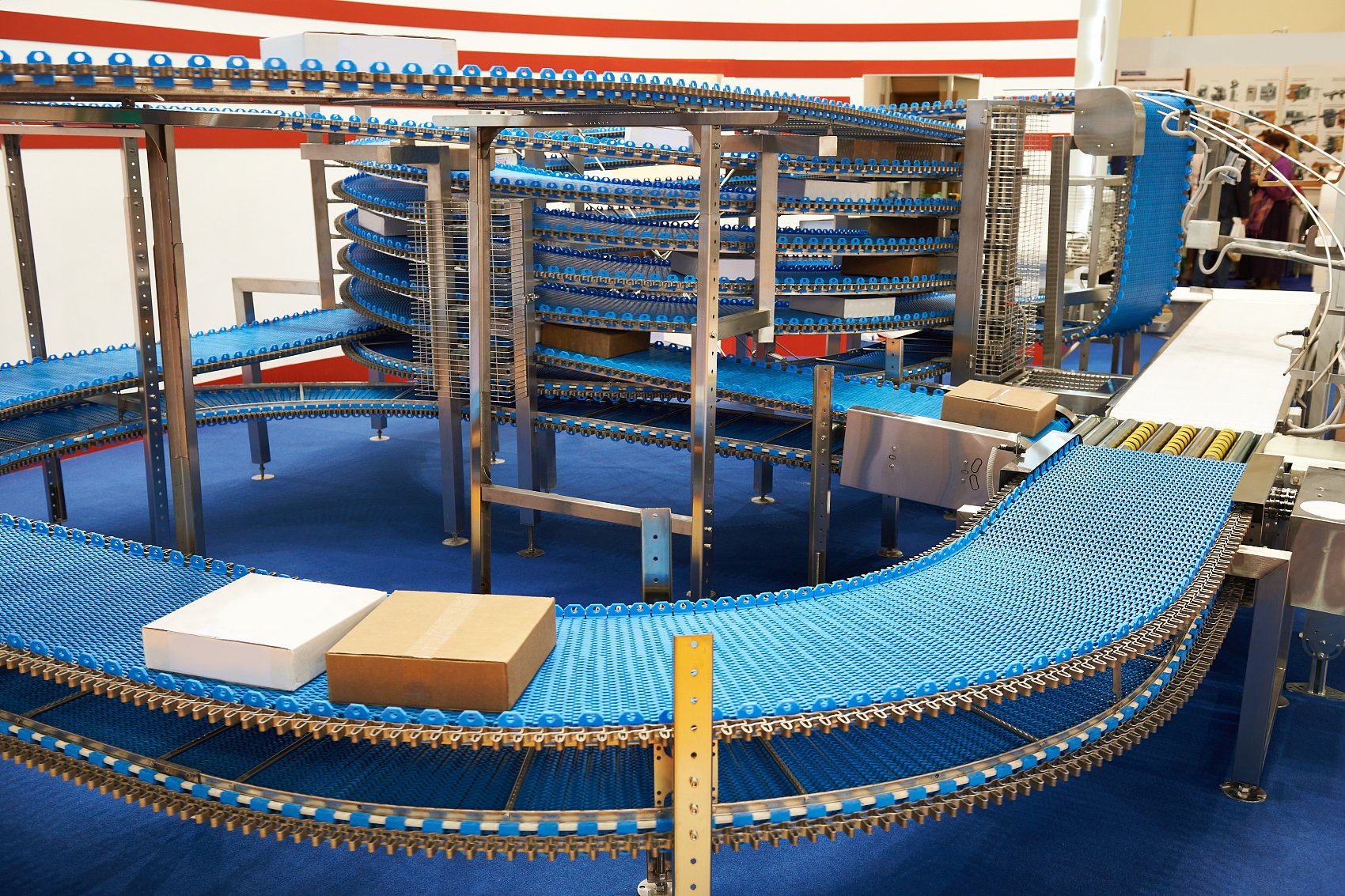
Container Shipping China Local Warehouse: The 2026 Strategic Logistics Guide
Managing global supply chains requires precision and efficiency in the modern trade environment. Business owners often struggle with high costs and slow transit times when moving goods internationally. By choosing a container shipping china local warehouse strategy, you can streamline your operations and reduce overhead significantly. This comprehensive guide explores how local warehousing in China transforms the way you handle ocean freight and international distribution.

What is Container Shipping China Local Warehouse Integration?
Container shipping china local warehouse integration refers to a logistics model where goods are stored in a facility near major Chinese ports before being loaded into containers. This approach allows for greater flexibility in inventory management and order fulfillment. Consequently, businesses can consolidate products from multiple suppliers into a single shipment to save on costs.
Moreover, this strategy enables quality control inspections to happen before the goods leave the country of origin. If defects are found, they can be addressed locally, which prevents expensive returns later. Therefore, the local warehouse acts as a critical buffer in your supply chain, ensuring that only high-quality cargo enters the international shipping network.
Furthermore, using a dedicated facility in China helps in managing seasonal demand fluctuations. You can stock up on inventory during off-peak times and release it when market demand peaks. As a result, your business maintains a steady flow of products without the risk of stockouts during busy periods.
How Does Container Shipping China Local Warehouse Compare to Other Shipping Options?
Evaluating different transport modes is essential for maintaining a competitive edge in the 2026 market. While direct shipping from a factory might seem faster, it often lacks the consolidation benefits of a local warehouse. In contrast, using a warehouse allows for multi-supplier cargo handling, which is more cost-effective for medium-sized enterprises.
Additionally, sea freight remains the most economical choice for large volumes compared to air or rail options. However, each method has specific trade-offs regarding speed and budget. For instance, air freight is ideal for urgent small batches, while sea freight excels in bulk transport. Meanwhile, rail freight offers a middle ground for shipments heading toward Europe.
To illustrate the differences, consider the following comparison of common shipping methods available from China.
| Shipping Method | Cost Range | Transit Time | Best For | Limitations |
|---|---|---|---|---|
| Sea Freight | $1,500 – $6,000 | 14 – 40 Days | Bulk Cargo | Slow Speed |
| Air Freight | $5 – $12 per kg | 3 – 7 Days | High-Value Goods | High Cost |
| Rail Freight | $2,500 – $4,500 | 18 – 25 Days | Mid-size to Europe | Limited Routes |
| Express Service | $8 – $15 per kg | 2 – 5 Days | Samples/Small Parcels | Very Expensive |
Which Option Should You Choose for Your Business?
Selecting the right logistics strategy depends heavily on your specific business priorities. If your primary goal is budget optimization, choosing sea freight combined with local warehousing is the most logical path. This setup allows you to maximize container space and reduce the per-unit shipping cost significantly.
On the other hand, if speed is your top priority, you might consider air freight for time-sensitive inventory. However, most businesses find that a hybrid approach works best. For example, you can ship the bulk of your goods via sea while keeping a small emergency stock for air transport.
Cargo type also plays a vital role in your decision-making process. Perishable items or high-tech electronics might require the speed of air travel. Nevertheless, for standard consumer goods, the cost savings of container shipping usually outweigh the benefits of faster delivery.

Key Benefits of Warehousing and Distribution in China
Utilizing a local warehouse in China provides a centralized hub for your international logistics. This centralization simplifies the management of various suppliers and ensures consistent packaging standards. Additionally, local warehouses often provide value-added services such as labeling, kitting, and palletization.
Another significant advantage is the improvement in customs clearance efficiency. When goods are consolidated and documented correctly at a local warehouse, the risk of delays at the port decreases. Consequently, your shipments move through the export process much faster than fragmented shipments from individual factories.
Indeed, many businesses use these facilities as a local fulfillment center for regional orders. This strategy reduces the transit time for customers in nearby markets while keeping the bulk inventory ready for long-distance container shipping. Consequently, you achieve a more responsive and agile supply chain.
Understanding the Costs of Container Shipping China Local Warehouse in 2026
Freight rates have stabilized in early 2026, but they remain sensitive to global economic shifts and fuel prices. For instance, shipping a 40HQ container to the USA West Coast currently costs between $2,800 and $3,800. Meanwhile, shipments to Europe are slightly higher due to longer distances and canal transit fees.
In addition to the base ocean freight, you must account for origin charges, documentation fees, and warehouse storage costs. Typically, warehouse fees are calculated based on the volume or the number of days the goods stay in the facility. Therefore, maintaining a high inventory turnover rate is essential to keep these costs manageable.
Below is a breakdown of estimated container pricing for various major routes as of Q1 2026.
| Route | 20GP Container | 40GP Container | 40HQ Container | Avg Transit |
|---|---|---|---|---|
| China to USA West | $1,600 – $2,300 | $2,600 – $3,600 | $2,900 – $3,900 | 15-18 Days |
| China to Europe | $1,900 – $2,600 | $2,900 – $3,900 | $3,100 – $4,300 | 30-35 Days |
| China to Australia | $850 – $1,300 | $1,300 – $1,900 | $1,500 – $2,100 | 12-18 Days |
| China to UK | $2,100 – $2,900 | $3,300 – $4,300 | $3,600 – $4,600 | 32-38 Days |
Cost Disclaimer
Note: Freight rates are subject to change based on fuel costs, carrier capacity, and seasonal demand. Contact us for a current quote tailored to your specific shipment.
Strategic Advantages of Multi-Modal Transport Solutions
In the current logistics landscape, relying on a single transport mode can be risky. Therefore, many savvy importers are turning to multi-modal solutions to balance cost and speed. For instance, a sea-air combination involves shipping goods by sea to a hub like Dubai and then flying them to the final destination.
Similarly, rail freight serves as an excellent alternative for landlocked destinations in Europe. It is significantly faster than sea freight and much cheaper than air freight. However, rail options are not available for routes to North America or Australia, making sea freight the primary choice for those regions.
By integrating a local warehouse into this multi-modal strategy, you can decide the best route for each batch of products based on current market conditions. If sea freight rates spike, you might shift some volume to rail. This flexibility is only possible when you have a centralized storage point in China.
The Role of Customs Brokerage in Container Shipping
Navigating international trade laws requires professional expertise to avoid costly penalties. A professional customs brokerage service ensures that all your paperwork is in order before the container reaches the port. This preparation includes verifying HS codes and ensuring compliance with destination country regulations.
Moreover, having a local warehouse allows for pre-export documentation audits. If the paperwork for a specific supplier is incomplete, the warehouse can hold those goods while the rest of the container proceeds. Consequently, you avoid delaying an entire shipment due to a single documentation error.
To help you stay organized, here is a checklist of the essential documents required for container shipping from China.
| Document Name | Purpose | Required By | Typical Lead Time |
|---|---|---|---|
| Commercial Invoice | Value Declaration | Customs | 1-2 Days |
| Packing List | Content Verification | Port/Customs | 1-2 Days |
| Bill of Lading | Title of Goods | Carrier | 3-5 Days |
| Certificate of Origin | Duty Calculation | Customs | 2-3 Days |
Realistic Case Studies: Container Shipping Success Stories
Examining real-world scenarios helps in understanding the practical application of these logistics strategies. Below are three cases based on typical 2026 market rates and operational challenges.
Case Study 1: Electronics Distribution to the USA Route: Shenzhen, China to Long Beach, USA Cargo: Consumer Electronics, 65 CBM, 12,000 kg Container: 1 x 40HQ Shipping Details: – Carrier: COSCO – Port of Loading: Shenzhen – Port of Discharge: Long Beach – Route Type: Direct Cost Breakdown: – Ocean Freight: $3,200 – Origin Charges: $450 – Destination Charges: $600 – Customs and Duties: $4,500 – Total Landed Cost: $8,750 Timeline: – Booking to Loading: 4 days – Sea Transit: 16 days – Customs Clearance: 3 days – Total Door-to-Door: 23 days Key Insight: Using a local warehouse for consolidation allowed the client to combine parts from four different factories, saving $1,200 compared to individual LCL shipments.
Case Study 2: Fashion Apparel to Germany Route: Ningbo, China to Hamburg, Germany Cargo: Textiles and Clothing, 30 CBM, 8,000 kg Container: 1 x 20GP Shipping Details: – Carrier: Maersk – Port of Loading: Ningbo – Port of Discharge: Hamburg – Route Type: Transshipment via Singapore Cost Breakdown: – Ocean Freight: $2,100 – Origin Charges: $400 – Destination Charges: $550 – Customs and Duties: $3,200 – Total Landed Cost: $6,250 Timeline: – Booking to Loading: 5 days – Sea Transit: 33 days – Customs Clearance: 2 days – Total Door-to-Door: 40 days Key Insight: The client utilized the warehouse for labeling and poly-bagging, which reduced their German warehouse labor costs by 40%.
Case Study 3: Furniture Export to Australia Route: Guangzhou, China to Sydney, Australia Cargo: Home Furniture, 25 CBM, 5,500 kg Container: LCL (Less than Container Load) Shipping Details: – Carrier: OOCL – Port of Loading: Nansha – Port of Discharge: Sydney – Route Type: Direct Cost Breakdown: – Ocean Freight: $1,450 – Origin Charges: $300 – Destination Charges: $450 – Customs and Duties: $1,100 – Total Landed Cost: $3,300 Timeline: – Booking to Loading: 3 days – Sea Transit: 14 days – Customs Clearance: 2 days – Total Door-to-Door: 19 days Key Insight: Strategic consolidation at the Guangzhou warehouse allowed for safe packing of fragile items, resulting in zero breakage during the voyage.
Optimizing Your Supply Chain for 2026 and Beyond
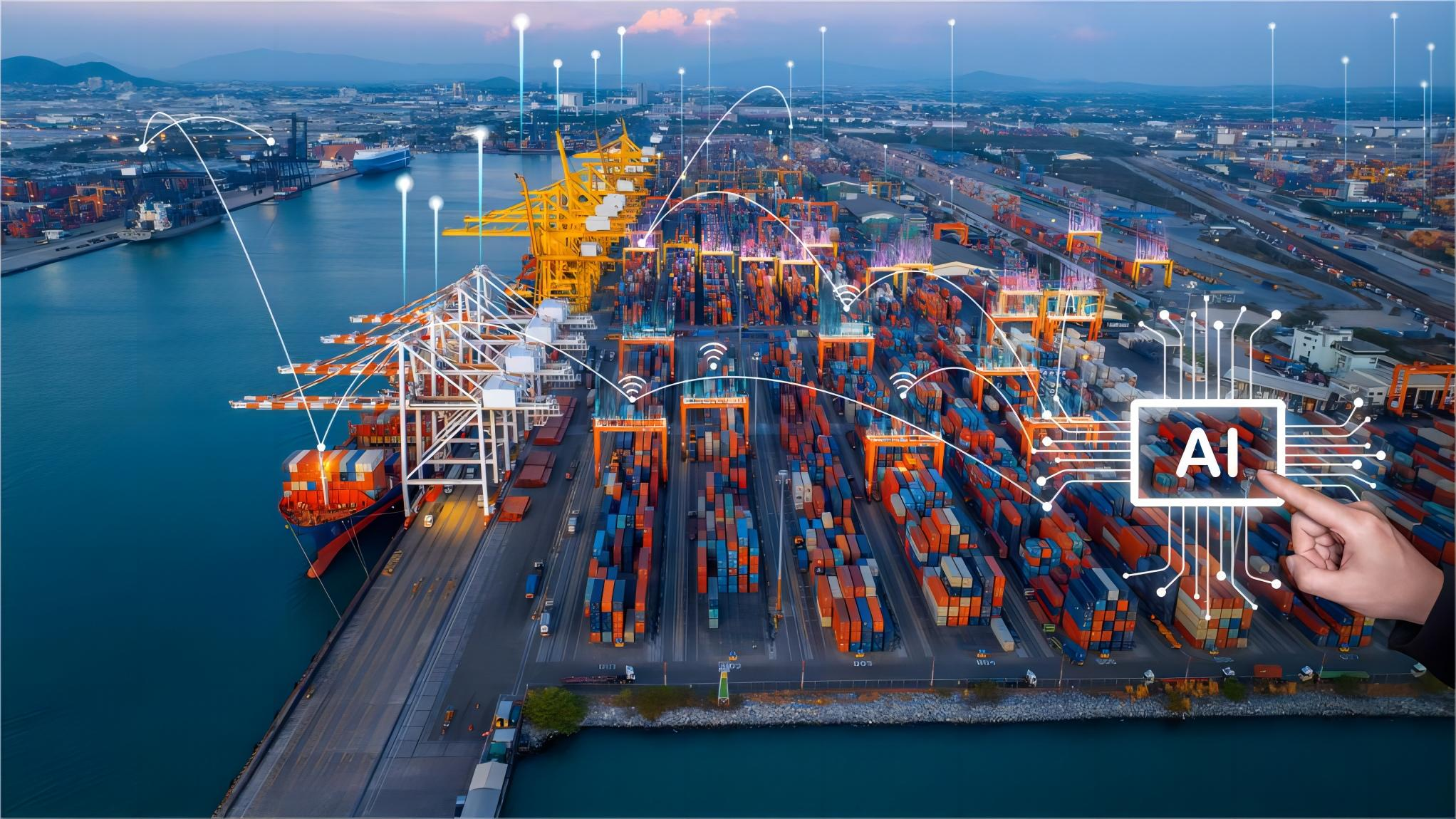
As we move further into 2026, automation and digital tracking are becoming standard in the logistics industry. Therefore, choosing a partner that offers real-time visibility of your inventory in the China warehouse is crucial. This transparency allows you to make informed decisions about when to trigger a door to door delivery.
Furthermore, environmental regulations are influencing shipping routes and vessel choices. Carriers are increasingly adopting green fuels, which may lead to slight adjustments in freight rates. However, these changes also lead to more sustainable supply chains, which is a growing priority for modern consumers.
In conclusion, the integration of container shipping with local warehousing provides a robust framework for international trade. It offers the perfect balance of cost control, quality assurance, and distribution flexibility. By mastering these logistics trends, your business can thrive in the competitive global market.
Final Thoughts on Container Shipping China Local Warehouse
To summarize, implementing a container shipping china local warehouse strategy is a game-changer for businesses of all sizes. It provides the necessary infrastructure to manage suppliers, control quality, and reduce international shipping costs effectively.
Additionally, the flexibility offered by local warehousing allows you to adapt to market changes and seasonal demands with ease. By partnering with a reliable logistics provider, you can focus on growing your brand while the complexities of freight forwarding are handled by professionals. Take the next step in your logistics journey and experience the benefits of a truly optimized supply chain.
Get Your Shipping Quote Today
Streamline your global logistics today with our expert container shipping china local warehouse solutions. Contact Logistics From China to receive a customized quote and optimize your supply chain for 2026. Visit our website to learn more. Send Inquiry:
Request Quote