

Ecommerce Fulfillment China: The Ultimate 2026 Guide for Global Sellers
Navigating the complexities of ecommerce fulfillment china is essential for modern brands sourcing from Asian markets. At Logistics From China, we understand that efficient supply chain management determines your profit margins. Consequently, many sellers are now shifting their storage and packing operations closer to the manufacturing source to reduce overhead. This comprehensive guide explores how you can optimize your logistics to ensure faster delivery and lower costs in the competitive 2026 landscape.
What is Ecommerce Fulfillment China and Why Does It Matter?
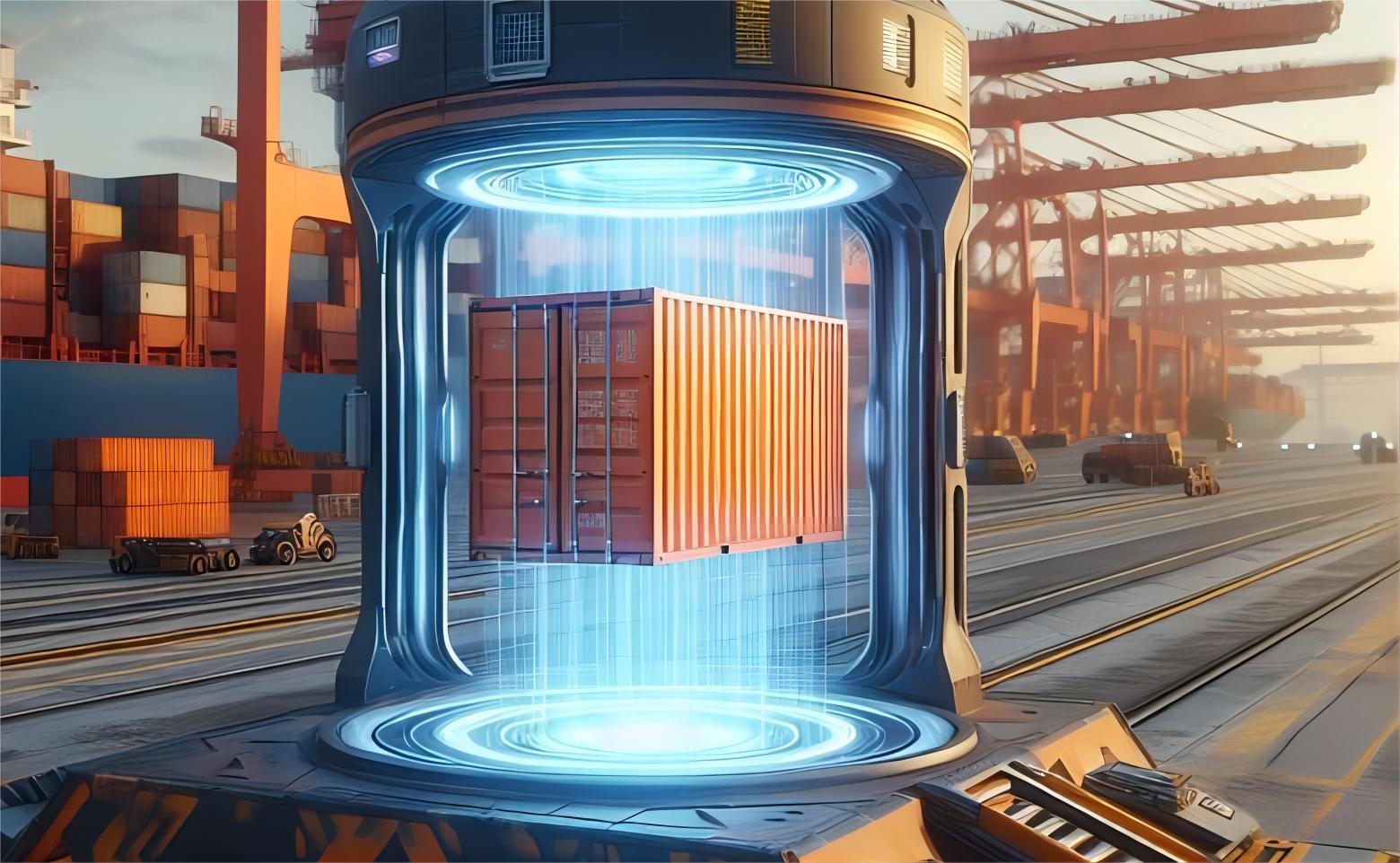
Ecommerce fulfillment china refers to the process where products are stored, picked, packed, and shipped directly from warehouses within China to international customers. Traditionally, businesses imported bulk goods to local warehouses before distributing them to consumers. However, the rise of direct-to-consumer models has made source-based fulfillment a game-changer for cost efficiency.
Moreover, this model allows brands to maintain leaner inventories in their home countries. By keeping stock in a central Chinese hub, you can respond dynamically to global demand without committing to specific regional allocations too early. Consequently, this flexibility reduces the risk of overstocking in one market while facing stockouts in another.
Furthermore, labor and warehousing costs in China remain significantly lower than in Europe or North America. Indeed, as of early 2026, many sellers report saving up to 40 percent on operational expenses by utilizing source-based fulfillment centers. These savings can then be reinvested into marketing or product development to fuel further growth.
How Does Ecommerce Fulfillment China Compare to Other Shipping Options?
Choosing between different logistics strategies requires a deep understanding of the trade-offs between speed and cost. For instance, while local fulfillment offers the fastest last-mile delivery, it carries the highest storage and handling fees. In contrast, fulfillment from China offers lower per-order costs but requires sophisticated management of international transit times.
Additionally, the integration of Amazon FBA prep services within China centers has streamlined the process for marketplace sellers. Instead of shipping raw inventory, you can have goods labeled and kitted at the source. This ensures that your products arrive at destination warehouses ready for immediate sale, bypassing expensive local prep centers.
| Shipping Method | Cost Range | Transit Time | Best For | Limitations |
|---|---|---|---|---|
| Sea Freight | $1,800 – $3,500 (20GP) | 25 – 40 Days | Bulk Inventory | Slowest Speed |
| Air Freight | $5.50 – $11.00 / kg | 3 – 7 Days | High-Value Goods | High Cost |
| Rail Freight | $160 – $280 / CBM | 18 – 25 Days | Europe Shipments | Fixed Routes |
| Express Service | $7.00 – $15.00 / kg | 2 – 4 Days | Urgent Samples | Weight Limits |
Selecting the Right Shipping Method for Your Business
When you evaluate sea freight, cost-effectiveness is usually the primary driver for high-volume retailers. For example, a 40HQ container can hold a massive amount of inventory, making the per-unit shipping cost negligible. Nevertheless, you must account for the longer lead times by planning your inventory cycles at least three months in advance.
On the other hand, air freight provides the agility needed for seasonal spikes or product launches. Although the costs are higher, the rapid turnover of capital can sometimes justify the expense. Specifically, if your product has a high value-to-weight ratio, air transport minimizes the risk of stockouts during peak shopping periods like Q4.
Moreover, hybrid solutions such as sea-air combinations are gaining popularity in 2026. These routes involve shipping goods by sea to a hub like Dubai or Singapore and then flying them to the final destination. As a result, you achieve a balance between the low cost of ocean transport and the speed of air delivery.
Decision Framework: Which Option Should You Choose?
Budget-Driven Strategy
If your primary goal is to maintain the lowest possible landed cost, sea freight is the undisputed winner. This is especially true for heavy or bulky items like furniture or home appliances. We recommend this for established products with predictable demand patterns.
Speed and Agility Strategy
When launching a new product or testing a market, speed is more critical than the lowest shipping price. Air freight or express services allow you to get feedback from customers quickly. Therefore, you can iterate on your product design without waiting months for sea shipments to arrive.
Cargo Volume Thresholds
For shipments under 15 CBM, Less than Container Load (LCL) is often the most economical choice. However, once you exceed 15-20 CBM, booking a Full Container Load (FCL) becomes more cost-effective. Indeed, FCL also reduces the risk of damage since your goods are not handled alongside other shippers’ cargo.
The Importance of Customs Brokerage in Fulfillment
Successful ecommerce fulfillment china relies heavily on smooth border crossings. Without professional customs brokerage, your shipments could face lengthy delays or unexpected fines. Consequently, ensuring that all HS codes and commercial invoices are accurate is a non-negotiable step in the process.
In addition, the regulatory environment in 2026 has become increasingly complex regarding environmental standards and data privacy. For instance, many countries now require detailed disclosures about the manufacturing process. Therefore, working with a partner who understands these evolving requirements is vital for maintaining an uninterrupted supply chain.
Real-World Case Studies in China Logistics
To illustrate the practical application of these strategies, let us examine two recent shipments handled by our team. These examples highlight the costs and timelines associated with different shipping methods in the current market.
Note: Freight rates are subject to change based on fuel costs, carrier capacity, and seasonal demand. Contact us for a current quote tailored to your specific shipment.
Case Study 1: Electronics Distribution to North America
Route: Shenzhen, China to Los Angeles, USA. Cargo: Consumer electronics, 8 CBM, 1,200 kg. Container: LCL. Carrier: Major trans-Pacific carrier. Port of Loading: Shenzhen. Port of Discharge: Los Angeles. Route Type: Direct.
Cost Breakdown: Ocean Freight: $950. Origin Charges: $320. Destination Charges: $450. Customs and Duties: $1,100. Total Landed Cost: $2,820. Timeline: Booking to Loading: 3 days. Sea Transit: 16 days. Customs Clearance: 2 days. Total Door-to-Door: 21 days.
Key Insight: By using a direct route to the West Coast, the client saved 12 days compared to an East Coast discharge, allowing them to restock their Amazon warehouse just in time for a major sale event.
Case Study 2: Home Decor to Europe
Route: Ningbo, China to Hamburg, Germany. Cargo: Ceramic vases, 28 CBM, 4,500 kg. Container: 20GP. Carrier: COSCO. Port of Loading: Ningbo. Port of Discharge: Hamburg. Route Type: Direct via Suez Canal (re-opened status).
Cost Breakdown: Ocean Freight: $2,200. Origin Charges: $280. Destination Charges: $550. Customs and Duties: $800. Total Landed Cost: $3,830. Timeline: Booking to Loading: 5 days. Sea Transit: 32 days. Customs Clearance: 3 days. Total Door-to-Door: 40 days.
Key Insight: Utilizing a full container (FCL) significantly reduced the risk of breakage for the fragile ceramic items compared to previous LCL shipments.
2026 Market Trends and Logistics Data
As of Q1 2026, freight rates from China have stabilized following the disruptions of previous years. According to industry benchmarks, the average cost for a 40HQ container to Europe currently sits between $3,500 and $4,500. Meanwhile, shipments to the US East Coast are averaging $5,000 due to increased demand and port modernization projects.
Furthermore, seasonal patterns remain a critical factor for ecommerce fulfillment china. Typically, rates increase by 15 to 25 percent during the August to October peak season. Consequently, savvy importers are booking their Q4 capacity as early as June to lock in lower rates and guarantee space on vessels.
| Route | 20GP Rate | 40HQ Rate | Avg. Transit |
|---|---|---|---|
| China to USA West | $1,600 – $2,300 | $2,900 – $3,900 | 15 – 20 Days |
| China to USA East | $2,600 – $3,600 | $4,600 – $6,100 | 30 – 35 Days |
| China to Europe | $1,900 – $2,600 | $3,100 – $4,300 | 28 – 36 Days |
| China to Australia | $850 – $1,300 | $1,500 – $2,100 | 12 – 18 Days |
Final Thoughts on Scaling Your Business with China Fulfillment
To summarize, mastering ecommerce fulfillment china is a journey of balancing cost, speed, and reliability. By leveraging warehouses at the source, you can significantly reduce operational overhead and improve inventory flexibility. Whether you choose sea, air, or rail, the key is to work with an experienced partner who can navigate the complexities of international logistics.
As we move through 2026, the brands that succeed will be those that view logistics as a strategic advantage rather than just a cost center. Start optimizing your supply chain today to ensure your products reach customers faster and more affordably than ever before.
Need a tailored shipping solution?
Ready to optimize your ecommerce fulfillment china operations? Contact Logistics From China today for a personalized quote and expert guidance on your next shipment. Send Inquiry:
Frequently Asked Questions
What is the cheapest way to ship for ecommerce fulfillment from China?
Sea freight is generally the most economical option for bulk inventory. For smaller shipments under 15 CBM, LCL (Less than Container Load) provides a cost-effective alternative to booking a full container.
How long does it take for products to reach the USA from China?
Transit times vary by method. Air freight takes 3 to 7 days, while sea freight to the West Coast takes 15 to 20 days. Shipments to the East Coast typically require 30 to 35 days via the Panama Canal.
Can I ship directly from a Chinese warehouse to my customers?
Yes, this is known as direct-to-consumer fulfillment. It allows you to save on local storage costs and international bulk shipping fees, although individual shipping labels can be more expensive per unit.
What documents are required for ecommerce fulfillment china?
Essential documents include the Commercial Invoice, Packing List, Bill of Lading, and sometimes a Certificate of Origin. Accurate HS codes are vital for determining correct duty rates and avoiding delays.
Are there any hidden costs in China fulfillment?
Common hidden costs include port congestion surcharges, documentation fees, and unexpected customs inspections. Working with a transparent freight forwarder helps you identify these potential expenses upfront.
Is rail freight a viable option for ecommerce sellers?
Rail freight is an excellent middle-ground for shipments to Europe, offering faster speeds than sea and lower costs than air. However, it is not an option for routes to North America or Australia.
How do I choose between FCL and LCL shipping?
FCL is best for shipments over 15-20 CBM as it offers lower per-unit costs and better security. LCL is ideal for smaller volumes where you only pay for the space you occupy in a shared container.
What impact does the peak season have on shipping?
Peak season usually runs from August to October. During this time, freight rates can increase by 20 percent or more, and vessel space becomes extremely limited, requiring early booking to ensure delivery.