
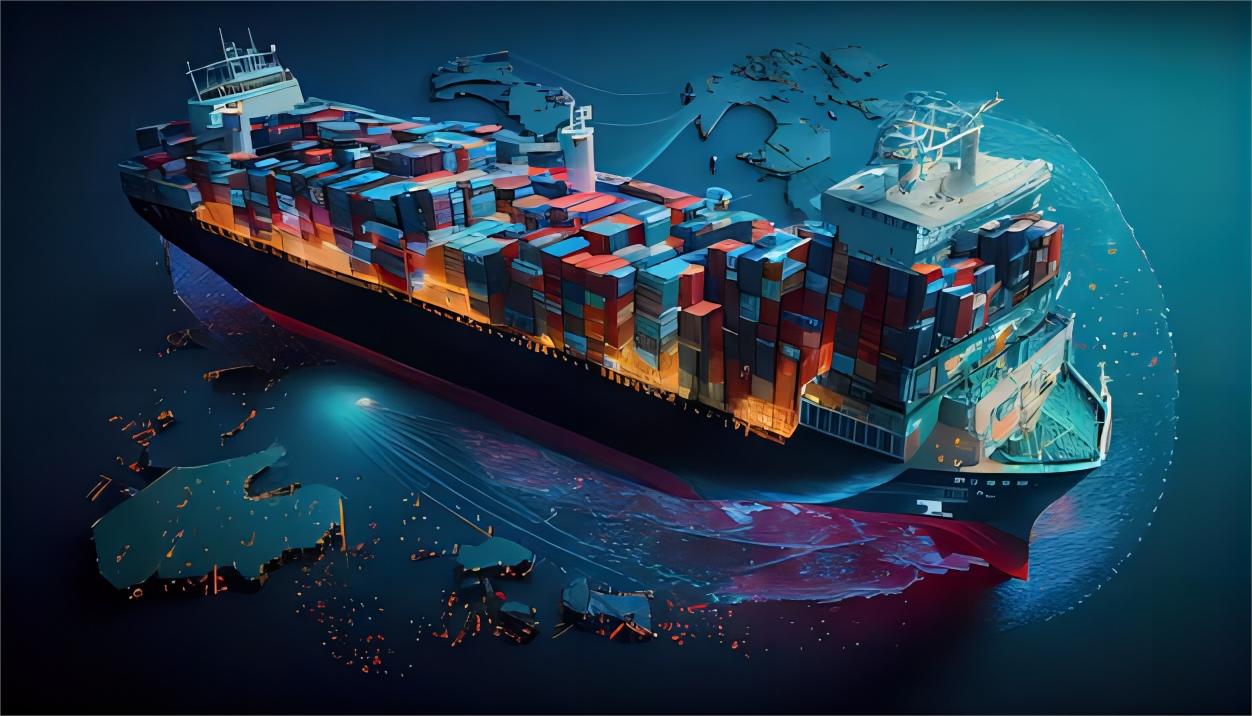
FCL Shipping China Door to Door Mexico: The Ultimate 2025 Logistics Guide
FCL shipping China door to door Mexico represents the most efficient method for transporting large volumes of goods across the Pacific. Logistics From China specializes in managing these complex international trade routes with precision. Consequently, businesses can reduce their overhead costs by utilizing dedicated container spaces for their specific cargo needs. This guide explores the intricacies of logistics, pricing, and delivery schedules to help you succeed.

What is FCL Shipping China Door to Door Mexico?
Full Container Load (FCL) refers to a shipping arrangement where an entire container is dedicated to a single consignee. This method is ideal for businesses importing large quantities of goods that fill a 20GP, 40GP, or 40HQ container. Moreover, sea freight remains the backbone of trade between these two major economic hubs.
Door to door service simplifies the entire logistics chain by handling every step from the supplier in China to the final destination in Mexico. Specifically, the freight forwarder manages the pickup, export customs, ocean transit, and final delivery. Therefore, importers do not need to worry about coordinating multiple logistics providers across different time zones.
Choosing this service ensures that your cargo remains secure within a sealed container throughout the journey. Additionally, it minimizes the risk of damage or loss compared to shared shipping methods. Indeed, FCL is often the preferred choice for high-value or fragile industrial components.
Benefits of Choosing FCL for Mexico Imports
Speed is a significant advantage because FCL shipments generally face fewer delays at the port of loading and discharge. Unlike shared containers, there is no need to wait for other shippers to fill the space. Consequently, your goods move directly from the factory to the vessel without unnecessary consolidation steps.
Cost-effectiveness becomes apparent when shipping volumes exceed 15 cubic meters. While the initial price for a full container is higher, the cost per unit of cargo is significantly lower than other methods. Furthermore, door to door solutions provide a predictable flat rate for the entire journey.
Security remains a top priority for international trade. Because the container is sealed at the origin and only opened at the destination or by customs, the integrity of the goods is maintained. Most importantly, this reduces the administrative burden on your internal logistics team.
How Does FCL Compare to Other Shipping Options?
Understanding the differences between shipping methods is crucial for making an informed business decision. While FCL is excellent for volume, air freight offers unmatched speed for urgent shipments. On the other hand, LCL serves smaller businesses that cannot fill a whole container.
Alternatively, some companies explore hybrid solutions to balance cost and speed. However, for the China to Mexico route, sea-based FCL remains the most stable and scalable option. Below is a detailed comparison of the primary shipping methods available.
| Shipping Method | Cost Range | Transit Time | Best For |
|---|---|---|---|
| FCL Sea Freight | $2,500 – $5,500 | 20-35 Days | Bulk goods, high volume |
| LCL Sea Freight | $80 – $150/CBM | 30-45 Days | Small shipments < 15CBM |
| Air Freight | $5 – $12/kg | 3-7 Days | Urgent, high-value cargo |
| Express Service | $8 – $18/kg | 2-5 Days | Samples and documents |
Transit Times for FCL Shipping China Door to Door Mexico
Transit times vary based on the specific departure port in China and the arrival port in Mexico. For instance, shipments from Shenzhen to Manzanillo are typically faster than those originating from northern Chinese ports like Tianjin. Additionally, weather conditions and port congestion can influence the final delivery date.
Typically, the ocean transit portion takes between 18 and 25 days. Nevertheless, the total door-to-door time must include inland transportation at both ends and customs clearance. Therefore, you should plan for a total window of 30 to 40 days for a complete delivery cycle.
| China Port | Mexico Port | Sea Transit | Total Door-to-Door |
|---|---|---|---|
| Shanghai | Manzanillo | 22 Days | 32-35 Days |
| Shenzhen | Lazaro Cardenas | 20 Days | 30-33 Days |
| Ningbo | Ensenada | 18 Days | 28-32 Days |
| Qingdao | Veracruz | 35 Days | 45-50 Days |

Understanding Shipping Costs and Freight Rates
Freight rates fluctuate based on seasonal demand, fuel surcharges, and global economic trends. As of early 2025, rates have stabilized but remain sensitive to carrier capacity adjustments. Consequently, it is vital to obtain a real-time quote before finalizing your purchase orders.
Inland transport costs in Mexico can also impact the total price significantly. For example, delivering to Mexico City from Manzanillo involves different logistics than delivering to Monterrey. Furthermore, customs brokerage fees must be factored into your landed cost calculations.
Note: Freight rates are subject to change based on fuel costs, carrier capacity, and seasonal demand. Contact us for a current quote tailored to your specific shipment.
Customs Documentation for Mexican Imports
Navigating Mexican customs requires meticulous attention to detail and accurate documentation. Failure to provide the correct paperwork can result in heavy fines or seizure of goods. Therefore, working with an experienced logistics partner is essential for a smooth entry.
Specifically, the Pedimento is the most critical document for Mexican imports. It serves as the official tax declaration for the government. Additionally, ensure all labels comply with Mexican Official Standards (NOM) to avoid delays during inspection.
| Document Name | Purpose | Required By | Key Info |
|---|---|---|---|
| Commercial Invoice | Value declaration | Customs | Unit price, total value |
| Packing List | Cargo details | Warehouse | Weight, dimensions |
| Bill of Lading | Title to goods | Carrier | Consignee, vessel info |
| CO (Cert. Origin) | Duty reduction | Customs | Country of manufacture |
Which Option Should You Choose?
Selecting the right shipping method depends on your budget, timeline, and cargo volume. If you are shipping more than 15 cubic meters, FCL is almost always the most economical choice. Conversely, for smaller batches, LCL might save you money despite the higher per-unit cost.
Budget priority dictates choosing FCL sea freight with a longer lead time. Speed priority suggests moving to air freight for critical components. Meanwhile, businesses targeting the broader North America market should consider the strategic location of Mexican ports as entry points.
Real-World Case Studies
Case Study 1: Electronics Distribution Route: Shenzhen, China Mexico City, Mexico Cargo: Consumer Electronics, 65 CBM, 12,000 kg Container: 40HQ Shipping Details: – Carrier: COSCO – Port of Loading: Shenzhen – Port of Discharge: Manzanillo – Route Type: Direct Cost Breakdown: – Ocean Freight: $3,850 – Origin Charges: $450 – Destination Charges: $600 – Customs & Duties: $2,200 – Total Landed Cost: $7,100 Timeline: – Booking to Loading: 4 days – Sea Transit: 21 days – Customs Clearance: 3 days – Total Door-to-Door: 32 days Key Insight: Direct routing saved 5 days compared to transshipment via Busan.
Case Study 2: Industrial Machinery Route: Ningbo, China Monterrey, Mexico Cargo: Auto Parts, 28 CBM, 8,500 kg Container: 20GP Shipping Details: – Carrier: MSC – Port of Loading: Ningbo – Port of Discharge: Lazaro Cardenas – Route Type: Transshipment via Panama Cost Breakdown: – Ocean Freight: $2,400 – Origin Charges: $380 – Destination Charges: $550 – Customs & Duties: $1,800 – Total Landed Cost: $5,130 Timeline: – Booking to Loading: 6 days – Sea Transit: 28 days – Customs Clearance: 4 days – Total Door-to-Door: 42 days Key Insight: Using a 20GP was more cost-effective than LCL for this weight.
Final Thoughts on FCL Shipping China Door to Door Mexico
Mastering FCL shipping China door to door Mexico is essential for any business looking to scale its operations in the North American market. By understanding the balance between cost, speed, and security, you can build a more resilient supply chain. Furthermore, leveraging professional freight forwarding services minimizes risk and ensures compliance with complex customs regulations. Ultimately, a well-executed FCL strategy provides the competitive edge needed in today’s global economy.
Ready to streamline your logistics?
Streamline your international trade today with our expert FCL shipping China door to door Mexico solutions. Our team handles every detail from origin to destination to ensure your cargo arrives safely and on time. Contact us now for a personalized quote and professional logistics advice. Visit our inquiry page to start:
Request Quote