Freight Estimate China to USA: 2026 Shipping Cost Guide
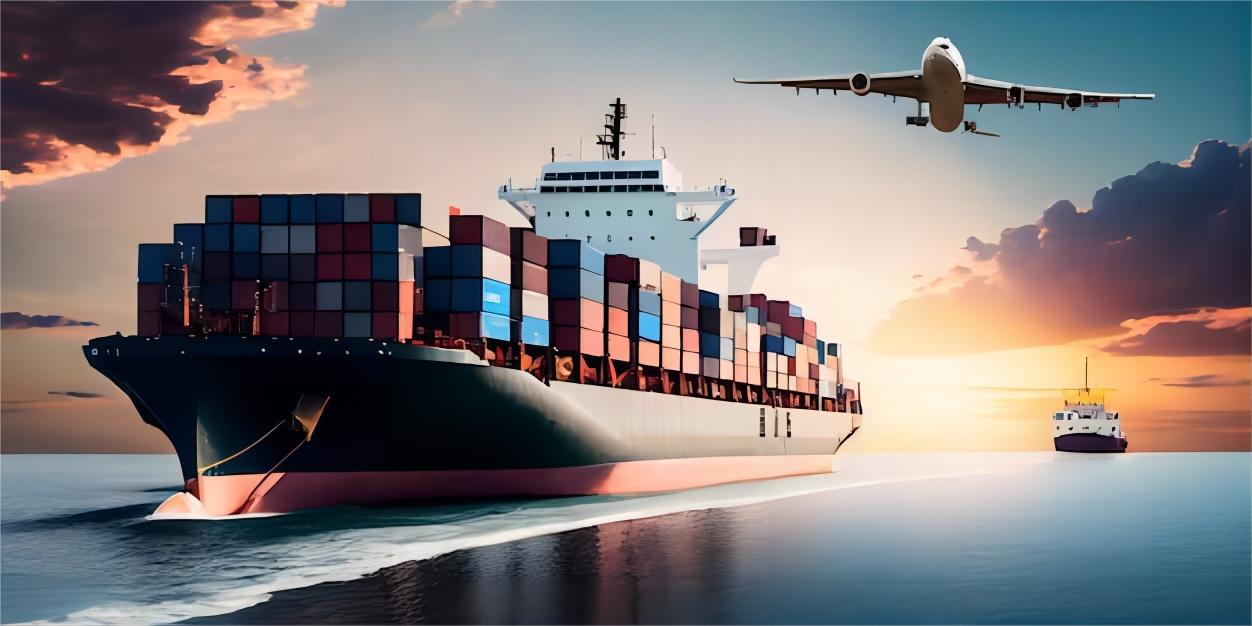
Securing an accurate freight estimate china to usa is a fundamental step for any business engaged in transpacific trade. Many importers face challenges when navigating the volatile shipping market of 2026, where rates fluctuate based on fuel costs and seasonal demand. Logistics From China provides comprehensive solutions to help you understand these costs and optimize your supply chain. This guide will explore the various factors that influence your final landed cost and help you choose the most efficient shipping method for your cargo.
What Factors Determine Your Freight Estimate China to USA?
Several variables contribute to the final price you see on a shipping quote. Primarily, the weight and volume of your goods dictate whether you should choose sea, air, or express services. Furthermore, the distance between the port of loading in China and the port of discharge in the United States significantly impacts the transit time and fuel surcharges.
Market demand also plays a crucial role in determining current freight rates. For instance, during the peak season between August and October, prices typically rise by 15 to 25 percent due to increased consumer demand before the holidays. Consequently, planning your shipments outside of these windows can lead to substantial savings on your overall logistics budget.
Fuel prices and carrier capacity are additional external factors that logistics providers must account for in 2026. Moreover, port congestion and labor availability at major hubs like Los Angeles or Savannah can lead to unexpected surcharges. Understanding these nuances allows you to better anticipate the total cost of your import operations.
How Does Sea Freight Compare to Other Shipping Options?
Choosing sea freight is generally the most economical strategy for transporting large volumes of goods across the Pacific. While it offers the lowest cost per unit, it requires the longest transit time, often ranging from 14 to 40 days depending on the destination coast. Therefore, businesses must balance their need for speed against their budgetary constraints.
Full Container Load (FCL) and Less than Container Load (LCL) are the two primary modes of ocean transport. Specifically, FCL is ideal for large shipments that fill an entire 20-foot or 40-foot container, providing better security and faster handling. In contrast, LCL allows smaller businesses to share container space, making it a flexible option for lower volumes.
According to industry benchmarks for early 2026, sea freight rates have stabilized following the disruptions of previous years. However, shippers should still account for origin and destination charges, such as terminal handling fees and documentation costs. The following table provides a comparison of the primary shipping methods available for this route.
| Shipping Method | Cost Range | Transit Time | Best For |
|---|---|---|---|
| Sea Freight (FCL) | $2,500 – $5,500 | 18-35 Days | Large Bulk Cargo |
| Air Freight | $5.00 – $9.00/kg | 3-7 Days | High-Value Goods |
| Express Service | $8.00 – $15.00/kg | 2-5 Days | Small Samples |
| Sea-Air Hybrid | Medium | 12-18 Days | Balanced Priority |

Calculating Air Freight Costs for Urgent Shipments
When time is of the essence, air freight remains the most reliable method for ensuring your products reach the American market quickly. Although the cost is considerably higher than ocean transport, the reduced transit time can help businesses maintain lean inventory levels and respond to rapid market changes. Indeed, many electronics and fashion retailers rely on air transport to stay competitive.
Air cargo pricing is typically based on either actual weight or volumetric weight, whichever is greater. To calculate volumetric weight, you multiply the dimensions of your package and divide by a standard divisor. Consequently, optimizing your packaging to reduce empty space is a vital strategy for lowering your air freight expenses.
Typical rates as of early 2026 suggest that air freight from major Chinese hubs like Shanghai or Shenzhen to the USA ranges between 5 and 9 dollars per kilogram. Nevertheless, these rates can spike during product launches or global supply chain constraints. We recommend booking at least 7 to 10 days in advance to secure the best possible rates from carriers.
Understanding the Benefits of Door to Door Logistics
Many modern importers prefer a door to door service model to simplify their operations. This comprehensive solution covers every step of the journey, from picking up the goods at the factory in China to final delivery at a warehouse in the USA. Additionally, this approach minimizes the administrative burden on the importer by centralizing communication through a single logistics partner.
Using a door-to-door model often includes integrated tracking and insurance, providing peace of mind throughout the transit process. Furthermore, it eliminates the need for the buyer to coordinate with multiple local truckers and port agents. As a result, you can focus on marketing and sales while your freight forwarder handles the logistical complexities.
For those selling on major platforms, Amazon FBA services are a specialized form of door-to-door delivery. These services ensure that your cargo meets all of Amazon’s strict labeling and palletization requirements before arrival. This proactive management prevents costly delays and rejection of goods at the fulfillment center.
Navigating Customs Brokerage and Import Duties
Clearing customs is often the most complex part of the shipping process, requiring precise documentation and compliance with federal regulations. Engaging a professional customs brokerage service ensures that your HTS codes are classified correctly to avoid overpaying duties. Moreover, experienced brokers can identify potential trade agreements or exemptions that might lower your total landed cost.
Standard documentation for USA imports includes the commercial invoice, packing list, and the bill of lading. In addition to these, certain products may require specialized permits from agencies like the FDA or EPA. Failure to provide accurate paperwork can result in expensive storage fees at the port or even seizure of the cargo by Customs and Border Protection.
Note: Freight rates are subject to change based on fuel costs, carrier capacity, and seasonal demand. Contact us for a current quote tailored to your specific shipment. The table below outlines the essential documents required for a standard shipment from China to the United States.
| Document Type | Responsibility | Key Information | Requirement |
|---|---|---|---|
| Commercial Invoice | Exporter | Value and Description | Mandatory |
| Packing List | Exporter | Weight and Dimensions | Mandatory |
| Bill of Lading | Carrier | Title and Route | Mandatory |
| ISF (10+2) | Importer | Security Filing | Mandatory (Sea) |
Which Option Should You Choose for Your Business?
Deciding on the right shipping method requires a careful analysis of your cargo’s value, weight, and urgency. If your primary goal is budget priority, then sea freight is undoubtedly the best option for shipments over 100 kilograms. On the other hand, if speed is your priority for high-value items, air freight or express service becomes the logical choice.
Volume thresholds often dictate when it is more economical to switch from LCL to FCL shipping. Generally, once your shipment exceeds 15 cubic meters, booking a full 20-foot container becomes more cost-effective than paying for individual space. This transition point is critical for growing businesses to monitor as they scale their import volumes.
Hybrid solutions, such as sea-air combinations, offer a middle ground for those who cannot afford air freight but need faster delivery than ocean transport. These routes often involve shipping by sea to a hub like Dubai or Korea and then flying the goods to the USA. Such alternative strategies can save up to 40 percent in costs compared to pure air freight while cutting transit time in half compared to sea.
Realistic Case Studies for 2026 Shipments
Examining real-world examples helps importers visualize the total costs and timelines involved in the shipping process. The following case studies represent typical scenarios based on current market data for 2026. These examples highlight how different variables like port selection and cargo type influence the final outcome.
Case Study 1: Electronics from Shenzhen to Los Angeles. Route: Shenzhen to LA. Cargo: Consumer Electronics, 68 CBM, 12,000 kg. Container: 40HQ. Shipping Details: Major carrier, Port of Loading: Shenzhen, Port of Discharge: Los Angeles. Route Type: Direct. Cost Breakdown: Ocean Freight: $3,100, Origin Charges: $450, Destination Charges: $600, Customs and Duties: $1,200. Total Landed Cost: $5,350. Timeline: Booking to Loading: 4 days, Sea Transit: 16 days, Customs Clearance: 2 days, Total Door-to-Door: 25 days. Key Insight: Choosing a direct route to the West Coast saved 14 days compared to an East Coast discharge.
Case Study 2: Apparel from Shanghai to New York. Route: Shanghai to NY. Cargo: High-end Apparel, 2 CBM, 450 kg. Shipping Method: Air Freight. Shipping Details: Port of Loading: Shanghai Pudong, Port of Discharge: JFK International. Cost Breakdown: Air Freight: $3,600, Origin Charges: $200, Destination Charges: $350, Customs and Duties: $900. Total Landed Cost: $5,050. Timeline: Booking to Loading: 2 days, Air Transit: 2 days, Customs Clearance: 1 day, Total Door-to-Door: 7 days. Key Insight: Despite the high cost, the rapid delivery allowed the brand to meet a seasonal launch deadline successfully.
Final Thoughts on Navigating Freight Estimates
Mastering the art of obtaining a freight estimate china to usa is essential for maintaining a profitable import business in 2026. By understanding the differences between sea and air freight, and accounting for all landed costs, you can make informed decisions that protect your margins. Remember that the cheapest option is not always the best if it leads to stockouts or customer dissatisfaction.
Furthermore, staying informed about market trends and seasonal fluctuations will allow you to plan your shipments more strategically. Partnering with a reliable freight forwarder provides the expertise needed to navigate complex customs regulations and volatile shipping rates. Ultimately, a well-calculated freight estimate china to usa serves as the foundation for a resilient and successful global supply chain.
Need a tailored shipping solution?
Are you ready to optimize your supply chain and secure a competitive freight estimate china to usa? Our team of logistics experts is standing by to provide you with a customized quote that fits your specific business needs. Whether you require sea, air, or express services, we ensure your cargo arrives safely and on time. Visit our inquiry page today to get started and experience the difference of professional logistics management. See: https://logisticsfromchina.com/contact/