

Ocean Container Shipping Quote: 2026 Guide to Freight Rates
Navigating the complexities of global trade requires a precise ocean container shipping quote to ensure your profit margins remain healthy in a competitive market. Whether you are importing electronics or heavy machinery, understanding the current market dynamics at Logistics From China helps you secure the most competitive pricing for your cargo. Consequently, businesses must stay informed about fluctuating fuel surcharges and port fees to avoid unexpected expenses during the 2026 shipping season. This comprehensive guide provides the essential intelligence needed to evaluate maritime costs and optimize your supply chain efficiency.
What Components Make Up an Ocean Container Shipping Quote?
Understanding the breakdown of your maritime expenses is crucial for accurate budgeting and financial planning. Typically, a comprehensive quote includes several distinct charges that cover the journey from the factory to your warehouse.
Base ocean freight represents the primary cost of transporting the container between major ports. However, several surcharges often apply depending on current fuel prices and seasonal demand fluctuations in 2026.
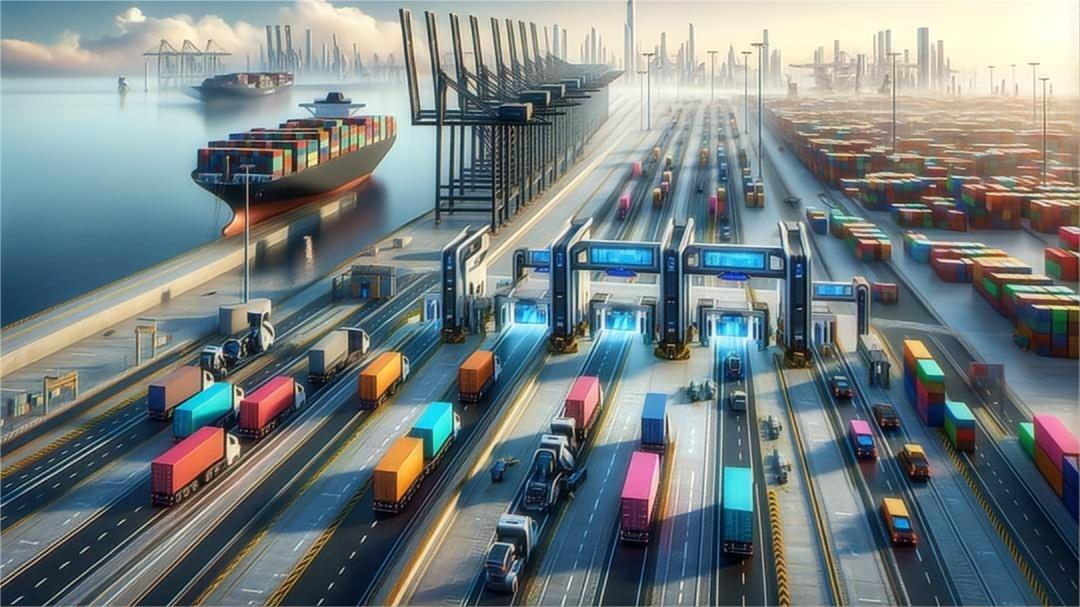
Terminal handling charges at both the origin and destination ports cover the costs of moving containers via cranes and terminal tractors. Additionally, documentation fees and manifest filing charges are standard administrative costs included in most professional estimates.
Security fees and peak season surcharges might also appear on your invoice during high-demand months. Furthermore, inland haulage costs must be considered if you require delivery beyond the arrival port.
How Does Sea Freight Compare to Other Shipping Options?
Choosing the right transport mode depends heavily on your specific timeline, budget, and cargo volume requirements. While sea freight remains the most economical choice for bulk goods, other methods offer speed advantages.
Air freight provides significantly faster transit times but comes with a much higher price tag per kilogram. Meanwhile, rail freight offers a middle ground for shipments moving from China to Europe, balancing cost and speed effectively.
Moreover, the environmental impact of ocean shipping is generally lower per ton-mile compared to air transport. Consequently, companies with sustainability goals often prioritize maritime solutions for their long-distance logistics needs.
| Shipping Method | Cost Range | Transit Time | Best For |
|---|---|---|---|
| Sea Freight | Low ($1,500 – $5,000) | 15 – 45 Days | Bulk / Heavy Goods |
| Air Freight | High ($15,000+) | 3 – 7 Days | Urgent / High Value |
| Rail Freight | Medium ($4,000 – $8,000) | 18 – 25 Days | China to Europe |
| Express | Very High | 2 – 5 Days | Samples / Documents |
Full Container Load vs Less than Container Load Pricing
Deciding between FCL and LCL is a primary factor in determining your final ocean container shipping quote. Full Container Load (FCL) involves renting an entire 20ft or 40ft container for your exclusive use.
Less than Container Load (LCL) allows you to pay only for the space your cargo occupies within a shared container. Consequently, LCL is often more cost-effective for smaller shipments that do not fill a whole unit.
However, LCL shipments often incur higher handling fees at the CFS (Container Freight Station) due to the consolidation and deconsolidation processes. Therefore, FCL is generally faster and safer as it requires less handling between the origin and destination.
| Feature | FCL (Full Container) | LCL (Shared) | Winner for Volume |
|---|---|---|---|
| Cost Basis | Flat rate per container | Price per CBM/Weight | LCL for < 15 CBM |
| Transit Speed | Direct and Faster | Slower (Consolidation) | FCL |
| Risk Level | Lower (Sealed unit) | Higher (Multiple handling) | FCL |

Regional Variations in Shipping Rates for 2026
Shipping costs vary significantly based on the specific trade lane and geographic destination. For instance, routes from China to North America typically experience higher volatility due to trade volume fluctuations.
European routes have stabilized in early 2026 following the resolution of previous maritime disruptions. Meanwhile, shipments to Australia remain relatively affordable due to shorter distances and established trade agreements.
Indeed, port congestion in major hubs like Los Angeles or Rotterdam can lead to temporary rate spikes. As a result, shippers should monitor port productivity metrics when requesting a long-term ocean container shipping quote.
| Route (From China) | 20GP Range | 40HQ Range | Est. Transit |
|---|---|---|---|
| USA West Coast | $1,600 – $2,300 | $2,900 – $3,900 | 14 – 18 Days |
| USA East Coast | $2,600 – $3,600 | $4,600 – $6,100 | 30 – 35 Days |
| Europe (Main) | $1,900 – $2,600 | $3,100 – $4,300 | 28 – 35 Days |
| Australia | $850 – $1,300 | $1,500 – $2,100 | 12 – 18 Days |
Strategic Decision Framework: Which Option Should You Choose?
Selecting the best shipping method requires a balanced analysis of your business priorities. If your primary goal is cost reduction, sea freight is almost always the superior choice for large volumes.
Speed-sensitive cargo, such as seasonal fashion or high-demand electronics, may justify the expense of air or rail alternatives. Furthermore, consider door to door services to simplify your logistics management and reduce administrative overhead.
Specifically, businesses should evaluate the total landed cost rather than just the ocean freight rate. This approach accounts for customs duties, insurance, and local delivery fees that can significantly impact your final investment.

Realistic Case Studies for 2026 Shipments
Examining real-world scenarios provides valuable context for your own shipping expectations. These examples reflect the current market conditions and pricing structures observed in early 2026.
Case Study 1: Electronics from Shenzhen to Los Angeles. A tech company shipped a 40HQ container of consumer electronics via a direct route. The ocean freight cost was $3,200, with origin and destination charges totaling $950. Total transit time was 16 days from port to port, demonstrating the efficiency of trans-Pacific routes.
Case Study 2: Furniture from Ningbo to Hamburg. An importer moved 15 CBM of wooden furniture using LCL service. The rate was $65 per CBM, totaling $975 for the ocean leg. Including CFS fees and customs brokerage, the total landed cost reached $1,850 over a 33-day period.
Case Study 3: Industrial Parts from Shanghai to Sydney. A manufacturer utilized a 20GP container for heavy machinery components. With a base rate of $1,100 and minimal congestion surcharges, the shipment arrived in 14 days. This case highlights the cost-effectiveness of the China-Australia trade lane for full container loads.
Note: Freight rates are subject to change based on fuel costs, carrier capacity, and seasonal demand. Contact us for a current quote tailored to your specific shipment.
Optimizing Your Supply Chain with Amazon FBA Integration
Many modern e-commerce businesses rely on Amazon FBA to handle their fulfillment needs. Integrating your ocean container shipping quote with FBA requirements ensures a seamless transition from the port to the fulfillment center.
Moreover, specialized forwarders can manage the labeling and palletization standards required by Amazon. Consequently, this reduces the risk of shipment rejections and additional storage fees at the destination.
Additionally, using a consolidated service for FBA can help small sellers access competitive sea freight rates. By pooling cargo with other sellers, you can benefit from the stability of scheduled maritime departures.
How to Secure the Most Accurate Shipping Estimate
To receive a precise ocean container shipping quote, you must provide detailed information about your cargo. Specifically, accurate dimensions, weight, and HS codes are essential for calculating duties and handling requirements.
Furthermore, specify your preferred Incoterms, such as FOB or CIF, as these define the responsibilities of the buyer and seller. Clear communication regarding your pickup and delivery locations will also prevent unexpected local haulage surcharges.
Indeed, requesting quotes from multiple carriers can help you identify the best value. However, prioritize reliability and transit time alongside price to ensure your supply chain remains resilient against potential delays.
Mastering Your Global Logistics Strategy
In summary, obtaining an accurate ocean container shipping quote is the first step toward a successful international trade operation. By understanding the various components of freight costs and comparing different transport modes, you can make informed decisions that benefit your bottom line.
As market conditions evolve throughout 2026, staying flexible and informed remains the best strategy for navigating global supply chains. Whether you choose FCL or LCL, prioritizing a reliable logistics partner will ensure your goods arrive safely and on schedule. Start planning your next shipment today to take advantage of current market opportunities.
Get Your Shipping Quote Today
Ready to streamline your international logistics and secure the best rates for your cargo? Our team provides customized maritime solutions tailored to your unique business needs. Visit our inquiry page to request your personalized ocean container shipping quote and experience professional freight management today. Send Inquiry: Visit logisticsfromchina.com/contact/
Request Quote