
Freight Forwarding by Sea: The Ultimate 2026 Shipping Guide
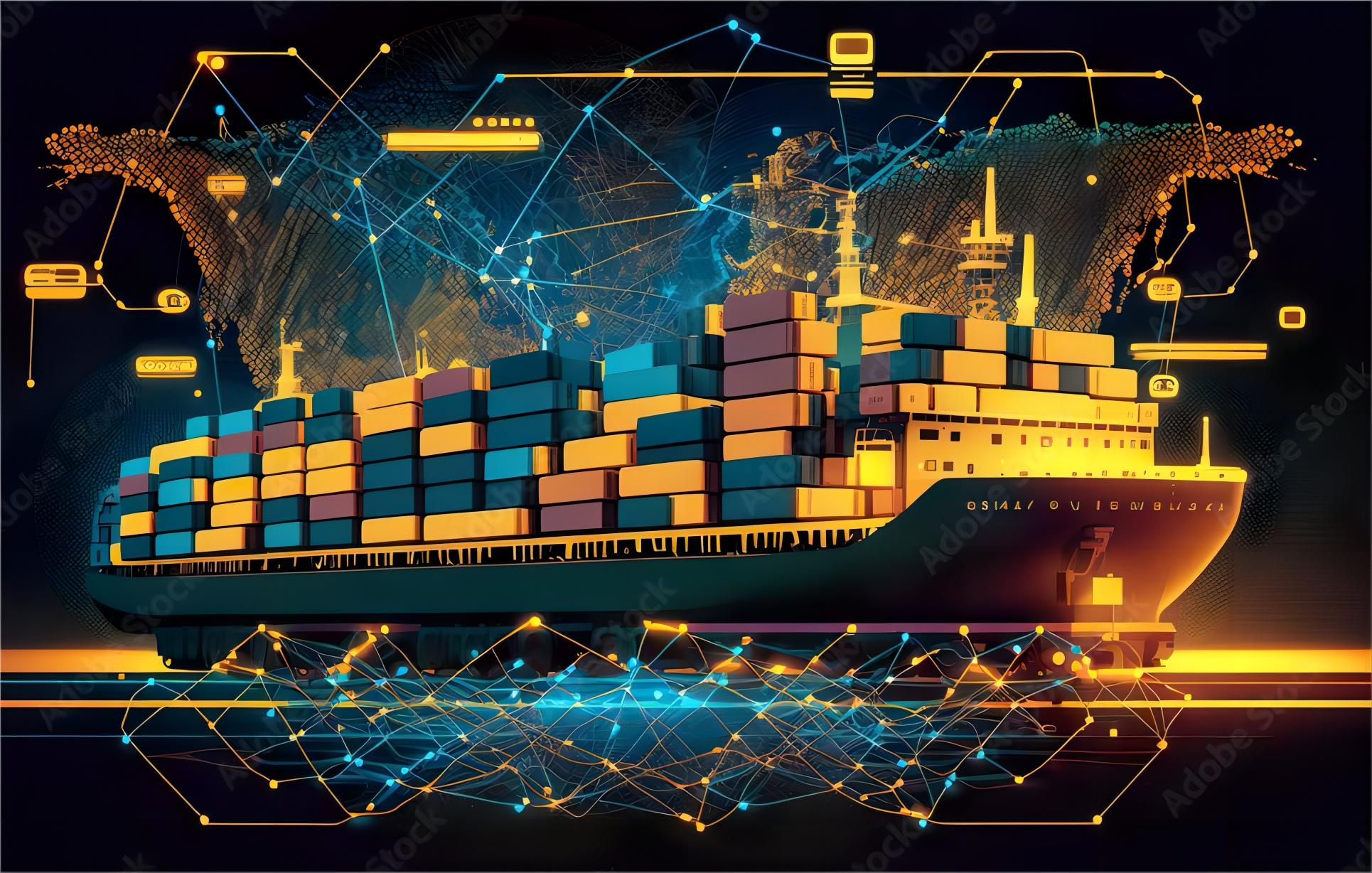
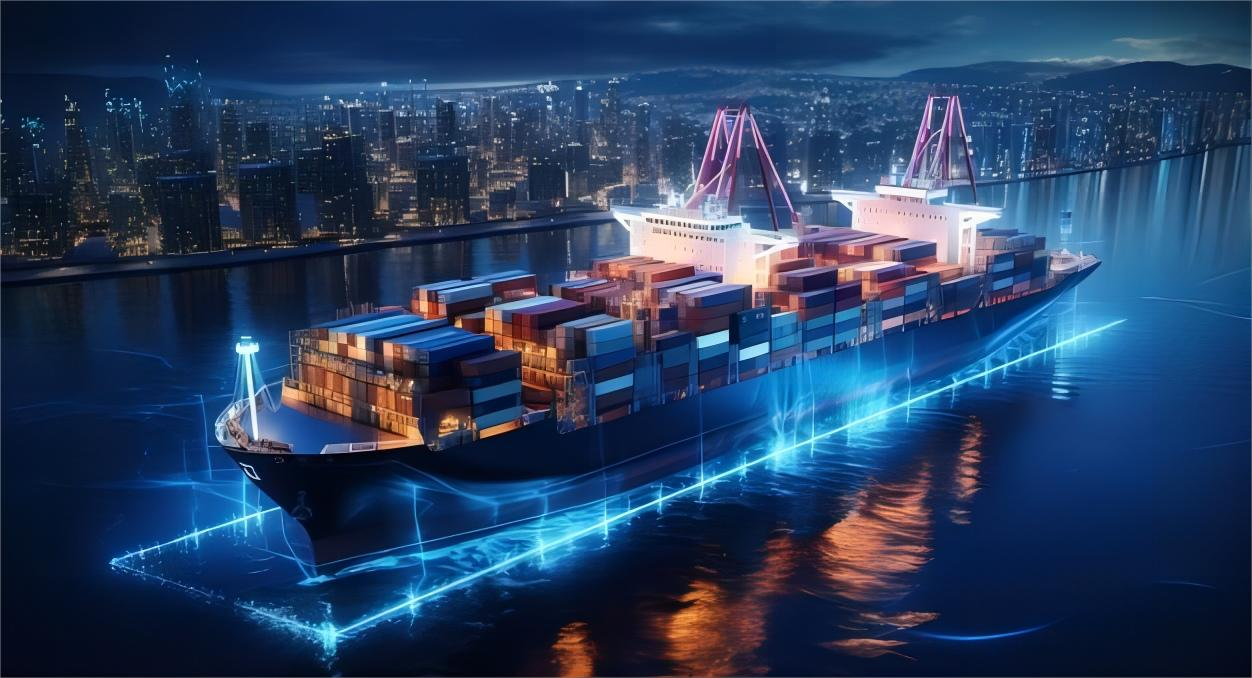
Global commerce relies heavily on efficient logistics, and freight forwarding by sea remains the most cost-effective method for transporting large volumes of goods across the ocean. Businesses looking to optimize their supply chains in 2026 often partner with Logistics From China to manage complex international shipping requirements. This guide explores the intricacies of maritime logistics, providing you with the insights needed to navigate the evolving landscape of global trade.
✦
What is Freight Forwarding by Sea and How Does It Work?
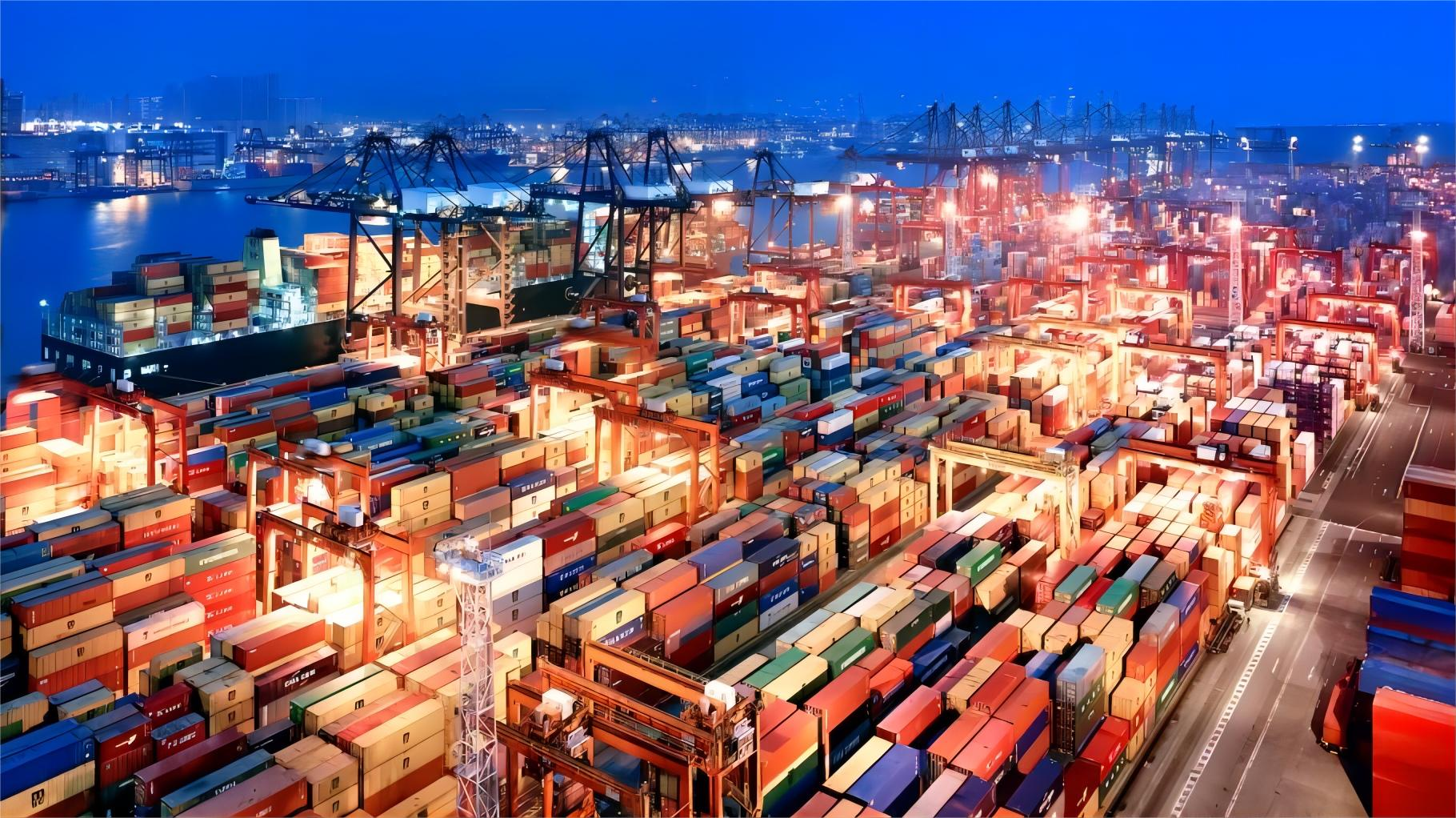
Freight forwarding by sea involves the coordination and shipment of goods from one destination to another using ocean carriers. Forwarders act as intermediaries between shippers and various transportation services, ensuring that cargo moves efficiently through international waters.
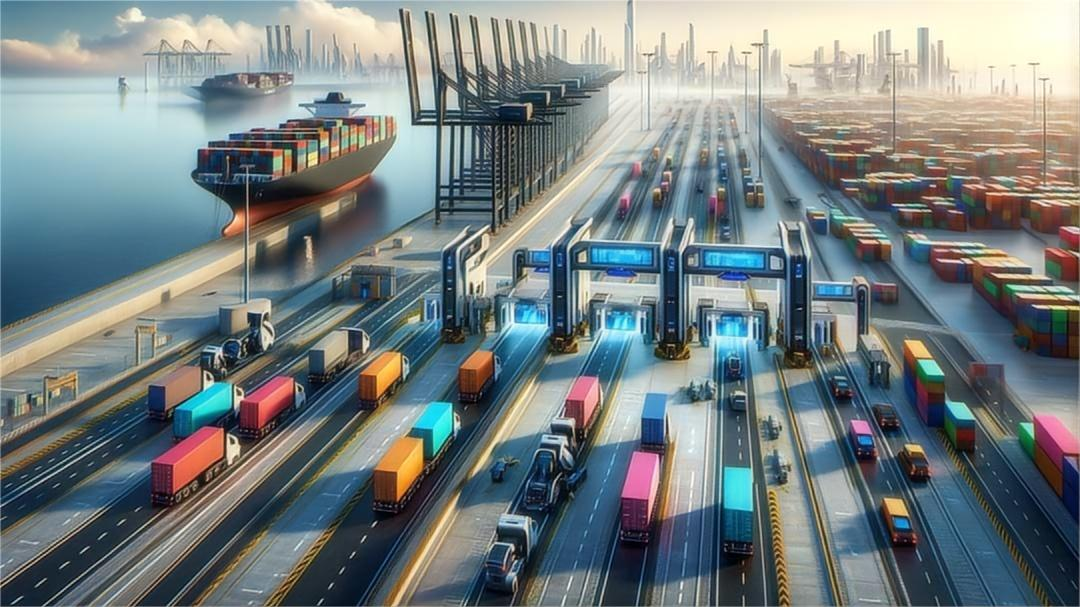
Consequently, these professionals handle the complex details of booking space on vessels, negotiating contracts, and managing the necessary documentation. Shippers benefit from the expertise of forwarders who understand the nuances of maritime law and port operations.
Furthermore, the process begins with the consolidation of goods, followed by transportation to the port of loading. Once the vessel departs, the forwarder tracks the shipment until it reaches the port of discharge and undergoes customs clearance.
Therefore, choosing a reliable partner for sea freight is essential for maintaining a steady flow of inventory. Modern technology now allows for real-time tracking, giving businesses greater visibility into their global supply chains.
How Does Freight Forwarding by Sea Compare to Other Shipping Options?
Selecting the right transport mode is a critical decision that impacts both your budget and your delivery schedule. While maritime transport is known for its affordability, other methods like air or rail might be more suitable for specific time-sensitive needs.
Moreover, businesses must weigh the trade-offs between speed and cost when planning their logistics strategy. For instance, air freight offers unmatched speed but comes at a significantly higher price point compared to ocean transport.
In contrast, rail freight provides a middle ground for shipments between Asia and Europe, offering faster transit than the sea without the extreme costs of air travel. However, sea freight remains the dominant choice for heavy and bulky items that are not time-critical.
Additionally, hybrid solutions such as sea-air services have gained popularity in 2026. These strategies combine the cost savings of ocean transit with the speed of air delivery for the final leg of the journey.
| Shipping Method | Cost Range | Transit Time | Best For | Limitations |
|---|---|---|---|---|
| Sea Freight | Low | 20-45 Days | Bulk / Large Goods | Slow Speed |
| Air Freight | High | 3-7 Days | Urgent / High Value | Expensive |
| Rail Freight | Medium | 15-22 Days | Inland Routes | Limited Reach |
| Express | Very High | 2-5 Days | Small Parcels | Weight Limits |
FCL vs LCL: Which Container Strategy Should You Choose?
Understanding the difference between Full Container Load (FCL) and Less than Container Load (LCL) is vital for cost optimization. FCL means you have exclusive use of a 20ft or 40ft container, which is ideal for large shipments that fill at least 70 percent of the space.
On the other hand, LCL allows multiple shippers to share space within a single container. This method is highly economical for smaller volumes, typically under 15 cubic meters, as you only pay for the space you occupy.
Consequently, LCL requires more handling at the port because cargo must be consolidated and later deconsolidated. This additional handling can sometimes lead to slightly longer transit times compared to the direct nature of FCL shipments.
Indeed, many companies prefer door to door services for LCL to simplify the logistics chain. This comprehensive service covers everything from the factory floor to the final warehouse destination.
Essential Documentation for International Sea Shipments
Accurate documentation is the backbone of successful freight forwarding by sea. Missing or incorrect paperwork can lead to significant delays, additional storage fees at the port, and even legal complications with customs authorities.
Specifically, the Bill of Lading (BOL) serves as the most important document, acting as a contract of carriage and a receipt for the goods. Other critical documents include the Commercial Invoice, Packing List, and Certificate of Origin.
Furthermore, specialized cargo may require additional permits or health certificates depending on the destination country’s regulations. Navigating these requirements demands a deep understanding of international trade compliance and local laws.
Therefore, engaging a professional customs brokerage service is highly recommended. These experts ensure all paperwork is filed correctly and duties are calculated accurately to prevent any interruptions in the supply chain.
| Document Name | Purpose | Issued By | Importance |
|---|---|---|---|
| Bill of Lading | Title of Goods | Carrier | Critical |
| Commercial Invoice | Value Declaration | Shipper | High |
| Packing List | Cargo Details | Shipper | High |
| Customs Entry | Import Approval | Broker | Critical |
Ocean Freight Cost Breakdown and 2026 Market Trends
Shipping costs in 2026 are influenced by various factors, including fuel surcharges, seasonal demand, and port congestion levels. Ocean freight rates typically fluctuate throughout the year, with peak seasons often seeing a 15 to 25 percent increase in pricing.
Additionally, environmental regulations introduced in late 2025 have led to the adoption of cleaner fuels, which has slightly increased base freight rates. However, improved vessel efficiency and larger ship capacities are helping to stabilize these costs for long-haul routes.
Meanwhile, port infrastructure investments across Southeast Asia and Africa are reducing turnaround times and lowering destination charges. Shippers should monitor these trends closely to time their bookings for maximum cost-effectiveness.
Note: Freight rates are subject to change based on fuel costs, carrier capacity, and seasonal demand. Contact us for a current quote tailored to your specific shipment.
Case Study 1: Shipping Electronics from Shenzhen to Rotterdam
Route: Shenzhen, China to Rotterdam, Netherlands. Cargo: Consumer electronics, 65 CBM, 12,500 kg. Container: 1 x 40HQ. Shipping Details: Carrier: Major ocean alliance. Port of Loading: Shenzhen. Port of Discharge: Rotterdam. Route Type: Direct.
Cost Breakdown: Ocean Freight: $3,450. Origin Charges: $450. Destination Charges: $600. Customs and Duties: $1,200. Total Landed Cost: $5,700. Timeline: Booking to Loading: 4 days. Sea Transit: 32 days. Customs Clearance: 2 days. Total Door-to-Door: 38 days.
Key Insight: By choosing a direct route during the off-peak season in early 2026, the client avoided transshipment delays in Singapore. This strategy ensured the electronics reached the European market just in time for a major product launch. Shipping to Europe requires careful planning to navigate varying port efficiencies.
Case Study 2: LCL Shipment of Textiles from Ningbo to Los Angeles
Route: Ningbo, China to Los Angeles, USA. Cargo: Organic cotton textiles, 8 CBM, 2,400 kg. Container: LCL. Shipping Details: Carrier: Major carrier. Port of Loading: Ningbo. Port of Discharge: Los Angeles. Route Type: Direct.
Cost Breakdown: Ocean Freight: $640 ($80/CBM). Origin Charges: $200. Destination Charges: $350. Customs and Duties: $400. Total Landed Cost: $1,590. Timeline: Booking to Loading: 5 days. Sea Transit: 16 days. Customs Clearance: 3 days. Total Door-to-Door: 24 days.
Key Insight: Based on Q1 2026 market rates, LCL was the most economical choice for this volume. Despite the consolidation process, the total transit time remained competitive, allowing the boutique retailer to maintain low inventory levels without risking stockouts.
Decision Framework: Which Option Should You Choose?
Determining the best shipping strategy requires a clear understanding of your business priorities and cargo characteristics. If your primary goal is budget optimization and your goods are not perishable, freight forwarding by sea is almost always the superior choice.
Moreover, volume thresholds play a significant role in the decision between FCL and LCL. For shipments exceeding 15 cubic meters, FCL generally offers a better price per unit and enhanced security for your goods.
If speed is your priority, you might consider air freight as a faster alternative. However, for most manufacturing and retail businesses, the cost savings of sea freight outweigh the benefits of faster delivery.
Finally, always consider the final destination. Inland locations might benefit from a multimodal approach, combining sea freight with rail or trucking to ensure efficient last-mile delivery.
Real Challenges in 2026 Maritime Logistics
Despite its reliability, freight forwarding by sea faces several challenges in the current market. Port congestion remains a concern in major hubs, although automated terminal technology is beginning to mitigate these delays.
Furthermore, geopolitical shifts can impact traditional shipping lanes, forcing carriers to take longer routes that increase fuel consumption and transit times. Shippers must remain agile and work with forwarders who can provide contingency plans during such disruptions.
Additionally, the industry is moving toward greater sustainability, with many carriers implementing carbon offsets and green shipping initiatives. While these changes are beneficial for the environment, they require shippers to stay informed about new compliance standards and potential cost adjustments.
Nevertheless, the resilience of the global shipping network ensures that sea freight remains the backbone of international trade. By partnering with experienced logistics providers, businesses can successfully navigate these challenges and maintain a competitive edge.
Mastering Your Global Logistics Strategy
To summarize, freight forwarding by sea continues to be an indispensable tool for businesses engaged in international trade. By understanding the nuances of FCL and LCL, managing documentation effectively, and staying informed about market trends, you can significantly reduce your logistics costs.
Indeed, the 2026 shipping landscape offers both challenges and opportunities for those willing to adapt. Whether you are shipping small volumes via LCL or managing large-scale FCL operations, the key to success lies in meticulous planning and choosing the right logistics partner.
Ultimately, freight forwarding by sea provides the scalability and affordability needed to grow your business on a global scale. Start planning your next shipment today to take advantage of the most efficient maritime routes available.