
How to Get the Best China Freight Forwarder Quote Price in 2024
Navigating the complexities of international trade requires a clear understanding of your Logistics From China costs. Obtaining a competitive china freight forwarder quote price is the first step toward a successful supply chain strategy. This guide explores the variables that influence pricing and how to optimize your shipping budget for maximum efficiency.
What Factors Influence a China Freight Forwarder Quote Price?
Several variables determine the final cost of moving goods from Chinese factories to your warehouse. Market demand fluctuates significantly throughout the year, especially during peak seasons like the Lunar New Year or the Golden Week. Consequently, fuel surcharges and carrier capacity often dictate the baseline for any china freight forwarder quote price you receive.
Weight and volume are the most critical physical factors in logistics calculations. For instance, air freight relies heavily on chargeable weight, which considers both actual weight and dimensional size. Meanwhile, sea freight pricing focuses on container types or cubic meters for smaller shipments. Therefore, understanding these metrics helps you choose the most cost-effective method for your specific inventory.
Distance and route complexity also play a major role in determining expenses. Direct routes to major ports like Los Angeles or Rotterdam are generally cheaper than shipments requiring inland transportation. Additionally, port congestion or local labor strikes can lead to unexpected surcharges that increase your total landed cost.
How to Compare Different Shipping Methods?
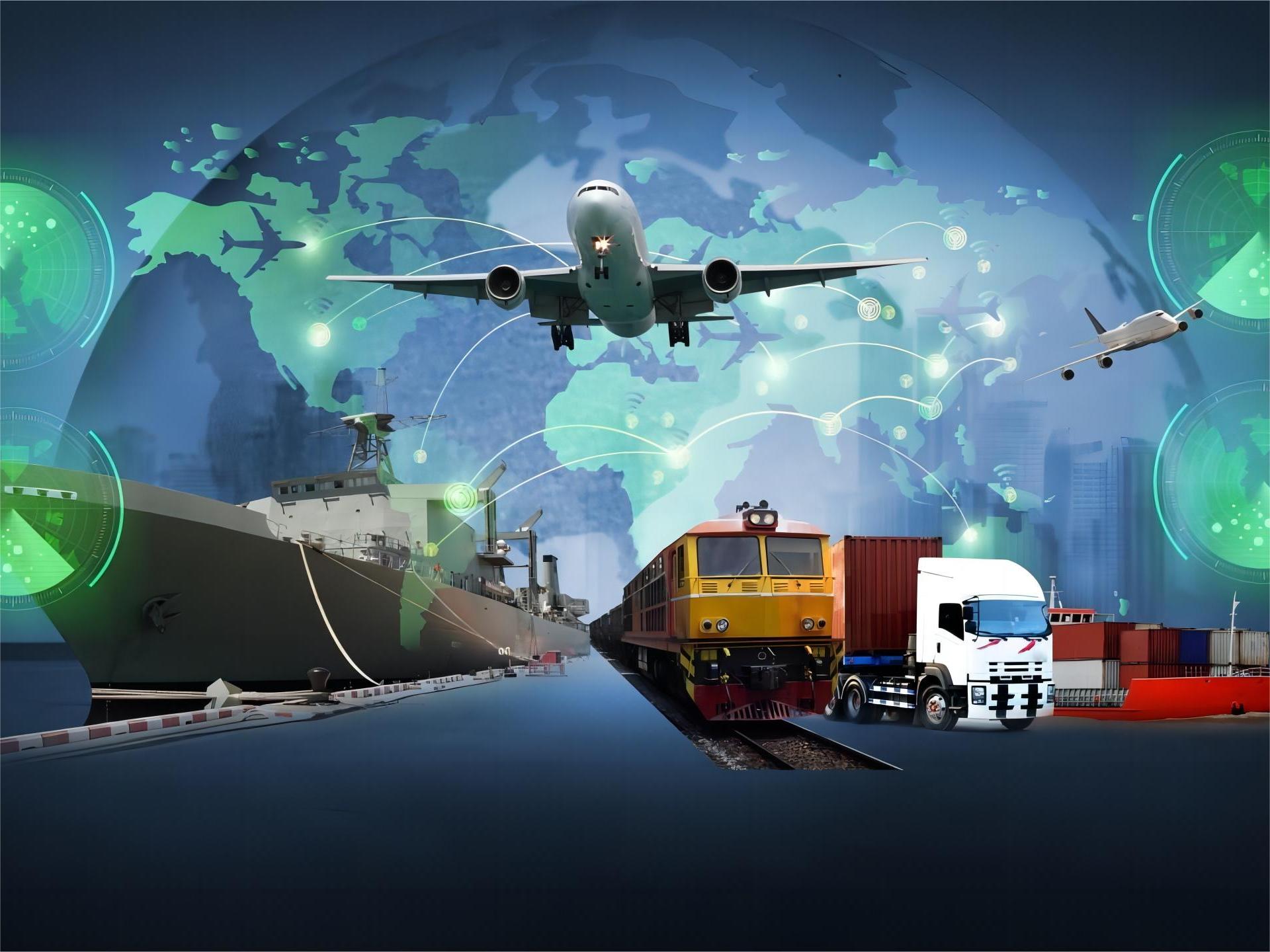
Choosing between air, sea, and rail depends on your budget and urgency. For large-scale shipments, sea freight remains the most economical choice for most importers. However, if you need products delivered within a week, the higher cost of air transport becomes a necessary investment for your business.
Rail freight offers a middle ground for shipments heading to Europe from China. It provides faster transit than the ocean while remaining significantly cheaper than air transport. Nevertheless, you must consider the origin and destination cities to ensure rail infrastructure is available for your specific route.
Below is a comparison of the primary shipping methods to help you evaluate your options.
| Shipping Method | Average Cost | Transit Time | Best For |
|---|---|---|---|
| Sea Freight (FCL) | Low ($2,000-$5,000) | 20-45 Days | Bulk Goods |
| Air Freight | High ($5-$10/kg) | 3-7 Days | Urgent Items |
| Rail Freight | Medium ($3,000-$6,000) | 15-22 Days | Europe Routes |
| Express Service | Very High ($8+/kg) | 2-5 Days | Small Parcels |
How Does Sea Freight Compare to Other Shipping Options?
While sea freight costs $2,000-3,500 for a 40HQ container, air freight for the same volume would cost $15,000-25,000. Although air is faster, the massive price gap makes ocean transport the standard for most global trade. Furthermore, sea freight can handle hazardous materials and oversized cargo that planes cannot accommodate.
For shipments under 15 CBM, LCL at $50-80 per CBM may be more economical than a full container. However, LCL shipments often face longer transit times due to the consolidation and deconsolidation processes at the ports. In contrast, FCL shipments move directly from the supplier to the destination port, reducing the risk of damage during handling.
Direct routes cost 10-15 percent more but save 5-7 days compared to transshipment via Singapore or Port Klang. Consequently, you must weigh the importance of speed against the potential savings of a multi-stop journey. Most experienced importers prefer direct routes during the peak season to avoid delays at transshipment hubs.
| Method | Cost Range | Transit Time | Limitations |
|---|---|---|---|
| Sea Freight | Lowest | Slowest | Port Congestion |
| Air Freight | Highest | Fastest | Weight Limits |
| Rail Freight | Moderate | Moderate | Limited Routes |
Understanding Your Shipping Quote Components
A standard china freight forwarder quote price includes several line items beyond the basic freight rate. You will likely see charges for Terminal Handling (THC), documentation fees, and customs clearance services. Additionally, customs brokerage is essential for ensuring your paperwork complies with local regulations and avoiding costly fines.
Insurance is another critical component that many first-time importers overlook. While it adds a small percentage to the total cost, it protects your investment against theft, damage, or loss at sea. Indeed, the peace of mind provided by comprehensive cargo insurance far outweighs the minor increase in the initial quote.
Fuel surcharges, often listed as BAF (Bunker Adjustment Factor), can change monthly based on global oil prices. Therefore, you should always check the validity period of your quote to ensure the rates are still applicable when you are ready to book. Most freight forwarders provide quotes that are valid for 15 to 30 days.
Real-World Shipping Case Studies
Reviewing actual shipping scenarios provides a clearer picture of what to expect regarding costs and timelines. These examples reflect typical market conditions and highlight the importance of choosing the right logistics partner.
Case Study 1: Electronics from Shenzhen to Los Angeles. Route: Shenzhen to Los Angeles. Cargo: Solar Panels, 25 CBM, 12,000 kg. Container: 40GP. Carrier: Major carrier. Port of Loading: Shenzhen. Port of Discharge: Los Angeles. Route Type: Direct. Cost Breakdown: Ocean Freight: $2,800; Origin Charges: $400; Destination Charges: $650; Customs and Duties: $1,200; Total Landed Cost: $5,050. Timeline: Booking to Loading: 4 days; Sea Transit: 16 days; Customs Clearance: 3 days; Total Door-to-Door: 23 days. Key Insight: Early booking saved 15 percent on peak season rates.
Case Study 2: Furniture from Ningbo to Hamburg. Route: Ningbo to Hamburg. Cargo: Home Furniture, 15 CBM, 4,000 kg. Container: LCL. Carrier: COSCO. Port of Loading: Ningbo. Port of Discharge: Hamburg. Route Type: Transshipment. Cost Breakdown: Ocean Freight: $1,200; Origin Charges: $300; Destination Charges: $500; Customs and Duties: $800; Total Landed Cost: $2,800. Timeline: Booking to Loading: 5 days; Sea Transit: 32 days; Customs Clearance: 4 days; Total Door-to-Door: 41 days. Key Insight: Consolidating LCL shipments reduced overall costs for a small business.
Case Study 3: Fashion Apparel from Guangzhou to Sydney. Route: Guangzhou to Sydney. Cargo: Textile garments, 28 CBM, 6,000 kg. Container: 20GP. Carrier: Maersk. Port of Loading: Guangzhou. Port of Discharge: Sydney. Route Type: Direct. Cost Breakdown: Ocean Freight: $1,100; Origin Charges: $350; Destination Charges: $450; Customs and Duties: $900; Total Landed Cost: $2,800. Timeline: Booking to Loading: 3 days; Sea Transit: 14 days; Customs Clearance: 2 days; Total Door-to-Door: 19 days. Key Insight: Australia shipments benefit from fast transit times compared to European routes.
Decision Framework: Which Option Should You Choose?
If your primary priority is budget, sea freight is the clear winner for almost every large shipment. For instance, shipping a full container is significantly cheaper per unit than any other method. However, you must account for the long lead times in your inventory management to avoid stockouts.
When speed is the priority, express service or standard air freight is necessary. This is especially true for high-value electronics or seasonal fashion items that lose value quickly. Additionally, shorter transit times reduce the amount of capital tied up in transit, improving your overall cash flow.
Consider hybrid solutions like sea-air combinations if you need a balance between cost and speed. These services often involve shipping by sea to a hub like Dubai and then flying the cargo to its final destination. As a result, you can save up to 40 percent compared to pure air freight while cutting transit time in half compared to sea freight.
Strategies for Reducing Your Freight Costs
Optimizing your packaging can lead to significant savings on your china freight forwarder quote price. By reducing the dimensions of your boxes, you can fit more units into a single container or reduce the chargeable weight for air shipments. Furthermore, using standardized pallet sizes ensures that space is not wasted during loading.
Negotiating with multiple providers allows you to compare rates and service levels effectively. However, the cheapest quote is not always the best, as it may lack essential services or include hidden fees. Instead, look for a partner that offers transparent pricing and a proven track record of reliability in the industry.
Consolidating shipments from multiple suppliers into a single container is another effective way to save money. This strategy, known as buyer’s consolidation, reduces the number of individual entries and administrative fees. Consequently, you can enjoy the lower rates of FCL shipping even if you are purchasing smaller quantities from various factories.
Final Thoughts on Freight Pricing
Securing a fair china freight forwarder quote price requires a deep understanding of the logistics landscape and current market trends. By evaluating different shipping methods and understanding the various cost components, you can make informed decisions that benefit your bottom line. Remember that freight rates are subject to change based on fuel costs, carrier capacity, and seasonal demand. For the most accurate and up-to-date pricing, always request a quote tailored to your specific shipment needs.
Ready to streamline your logistics?
Ready to optimize your supply chain and secure the most competitive china freight forwarder quote price? Contact our expert team today for a customized logistics solution that fits your budget and timeline. Send Inquiry
Request Quote