
Low Cost Sea Freight China USA: 2026 Shipping Guide for Businesses
“Finding low cost sea freight china usa is essential for businesses looking to maintain healthy profit margins in 2026. While global logistics remain complex, implementing the right strategies can significantly reduce your total landed costs. Consequently, this guide explores how to navigate the current market to secure the best rates for your international shipments.”

What are the Current Trends for Low Cost Sea Freight China USA in 2026?
❖Market conditions in early 2026 indicate that ocean freight rates have stabilized following the disruptions seen in previous years. Specifically, the expansion of global carrier fleets has increased capacity, which naturally puts downward pressure on pricing. Therefore, importers can now find more competitive offers for transpacific routes than they could during the peak congestion of 2025.
However, seasonal fluctuations still play a major role in determining the final cost of your shipment. For instance, rates typically increase by 15-25% during the August to October peak season as retailers prepare for holiday demand. In addition, fuel surcharges remain a variable factor that every logistics manager must monitor closely to avoid unexpected budget overruns.
Moreover, the shift toward sustainable shipping practices is beginning to influence maritime transport fees. Many carriers are now implementing green surcharges to comply with updated environmental regulations. Nevertheless, by choosing sea freight as your primary mode of transport, you still benefit from the most economical method for bulk cargo.
Impact of Port Infrastructure on Shipping Rates
Infrastructure improvements at major US West Coast ports like Long Beach and Los Angeles have helped reduce dwell times. Consequently, faster unloading processes mean that carriers can maintain more predictable delivery schedules. Indeed, efficiency at the port of discharge is just as critical as the ocean transit time itself when calculating total logistics expenses.
How to Choose Between FCL and LCL for Maximum Savings?
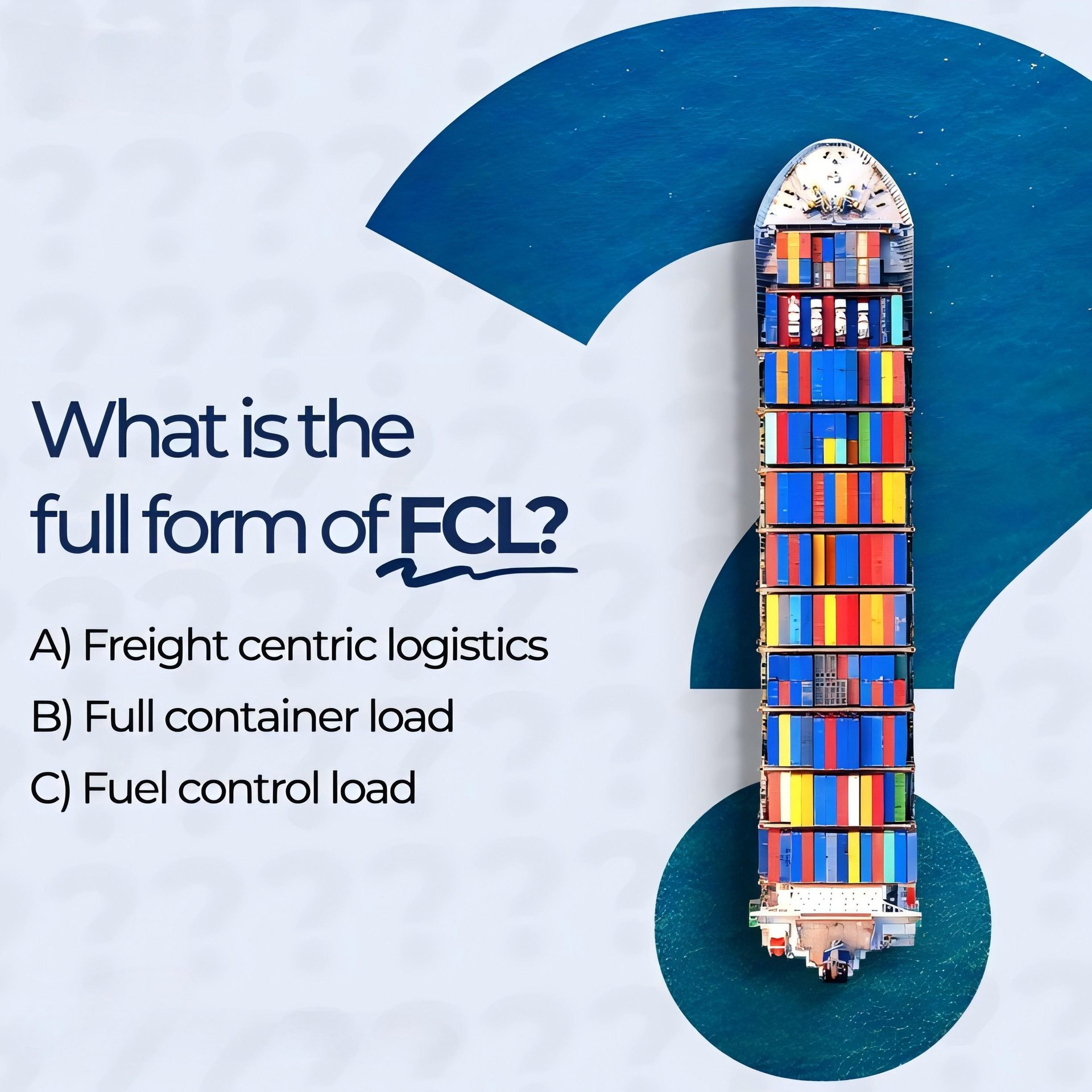
❖Choosing between Full Container Load (FCL) and Less than Container Load (LCL) is perhaps the most significant decision for achieving low cost sea freight china usa. FCL involves renting an entire 20ft or 40ft container for your exclusive use. On the other hand, LCL allows you to pay only for the space your cargo occupies by sharing a container with other shippers.
Typically, FCL is more cost-effective if your shipment volume exceeds 15 cubic meters (CBM). For smaller shipments, LCL provides a flexible way to move goods without waiting to fill a whole container. Furthermore, using Amazon FBA services often requires a mix of both methods depending on current inventory levels and storage limits.
As a result, smart businesses often consolidate multiple small orders into a single FCL shipment to lower the per-unit cost. Without a doubt, volume is your greatest leverage when negotiating with freight forwarders for better rates in 2026.
| Shipping Method | Cost Basis | Volume Threshold | Best For |
|---|---|---|---|
| FCL 20GP | Flat Rate | 15-28 CBM | Bulk items |
| FCL 40HQ | Flat Rate | 55-68 CBM | High volume |
| LCL | Per CBM | 1-14 CBM | Small batches |

How Does Sea Freight Compare to Other Shipping Options?
❖Understanding the trade-offs between different transport modes is vital for any supply chain strategy. While sea freight is the leader for low-cost transport, it is also the slowest method available. In contrast, air freight offers speed but comes at a significantly higher price point, often five to ten times more expensive than ocean shipping.
Additionally, rail freight has become a viable alternative for shipments destined for North America when combined with sea routes. This hybrid approach can sometimes offer a middle ground in terms of both cost and speed. Meanwhile, for very urgent documents or small samples, express service remains the most reliable albeit costly choice.
To summarize, selecting the right method depends entirely on your budget priorities and delivery deadlines. For most large-scale commercial imports, sea freight remains the undisputed champion of cost-efficiency.
| Shipping Method | Cost Range | Transit Time | Best For |
|---|---|---|---|
| Sea Freight | $1,500 – $6,000 | 14 – 35 Days | Bulk Cargo |
| Air Freight | $5 – $12 per kg | 3 – 7 Days | Urgent Goods |
| Express | $8 – $20 per kg | 2 – 5 Days | Small Parcels |
Strategies for Reducing Your Ocean Freight Budget in 2026
❖Implementing a few professional tactics can help you secure even lower rates than the market average. Firstly, booking your shipment at least 3-4 weeks in advance allows you to lock in better prices before capacity tightens. Secondly, optimizing your packaging to reduce wasted space can lower your CBM count for LCL shipments.
Another effective strategy involves negotiating Incoterms carefully with your supplier. For example, opting for FOB (Free on Board) instead of EXW (Ex Works) gives you more control over the international shipping portion of the journey. Consequently, you can work directly with a preferred door to door provider to manage the entire process efficiently.
Moreover, ensuring that your customs brokerage documentation is perfect will prevent costly delays and storage fees at the port. Indeed, administrative errors are often the hidden cause of budget blowouts in international trade.
Real-World Case Studies: Successful US Imports in 2026
❖Analyzing real-world examples helps illustrate how low cost sea freight china usa works in practice. These cases reflect typical market rates and timelines observed during early 2026.
Note: Freight rates are subject to change based on fuel costs, carrier capacity, and seasonal demand. Contact us for a current quote tailored to your specific shipment.
Case Study 1: Electronics from Shenzhen to Los Angeles
Route: Shenzhen, China to Los Angeles, USA. Cargo: Consumer electronics, 15 CBM, 4,500 kg. Container: LCL. Shipping Details: Major carrier via direct route. Port of Loading: Shenzhen. Port of Discharge: Long Beach.
Cost Breakdown: Ocean Freight: $1,850. Origin Charges: $350. Destination Charges: $550. Customs and Duties: $1,200. Total Landed Cost: $3,950. Timeline: Booking to Loading: 4 days. Sea Transit: 16 days. Customs Clearance: 3 days. Total Door-to-Door: 25 days.
Key Insight: By choosing a direct route to the West Coast, the importer saved 12 days of transit time compared to an East Coast delivery.
Case Study 2: Home Decor from Ningbo to New York
Route: Ningbo, China to New York, USA. Cargo: Wooden furniture, 65 CBM. Container: 40HQ FCL. Shipping Details: Transshipment via Panama Canal. Port of Loading: Ningbo. Port of Discharge: Newark.
Cost Breakdown: Ocean Freight: $5,200. Origin Charges: $450. Destination Charges: $800. Customs and Duties: $2,100. Total Landed Cost: $8,550. Timeline: Booking to Loading: 6 days. Sea Transit: 32 days. Customs Clearance: 4 days. Total Door-to-Door: 45 days.
Key Insight: Utilizing a 40HQ container allowed the business to maximize volume, bringing the shipping cost per item down to less than $2.00.

Which Option Should You Choose for Your Business?
❖Determining the best shipping path requires a clear understanding of your business priorities. If your primary goal is the absolute lowest price, sea freight is almost always the correct answer for shipments over 100kg. However, if you are launching a new product and need it in stock immediately, air freight might justify its higher cost through faster revenue generation.
For those managing inventory for e-commerce, a hybrid strategy often works best. You might send 10% of your stock via air to keep listings active while the remaining 90% travels via ocean to maximize profit. Additionally, always consider the destination; shipping to the US West Coast is significantly cheaper and faster than shipping to the East Coast from China.
Finally, always verify the credentials of your logistics partner. A reliable forwarder will provide transparent pricing without hidden fees, ensuring your low cost sea freight china usa remains truly affordable.
Summary of Low Cost Sea Freight China USA
Securing low cost sea freight china usa in 2026 requires a combination of early planning, volume optimization, and choosing the right logistics partners. Throughout this guide, we have highlighted how FCL and LCL options, port selection, and strategic timing influence your total expenses. By understanding these variables, you can make informed decisions that protect your bottom line.
Furthermore, the logistics landscape continues to evolve with new technologies and regulations. Staying informed about these trends will allow you to adapt your shipping strategy proactively. Ultimately, ocean freight remains the most sustainable and cost-effective way to connect Chinese manufacturing with the American market.
Ready to streamline your logistics?
Ready to optimize your supply chain and secure the most competitive low cost sea freight china usa rates today? Our team of logistics experts is standing by to provide you with a customized quote that fits your specific business needs. Visit our inquiry page to get started: Send Inquiry
Request Quote