

Sea Freight to Chicago: 2026 Guide to Rates and Transit Times
Finding the most efficient way to manage sea freight to chicago is essential for modern businesses seeking to optimize their supply chain. By partnering with Logistics From China, you can streamline your entire international shipping process from the factory floor to the Midwest. Today, Chicago serves as the primary logistics hub for the American Heartland, handling millions of tons of international cargo annually through sophisticated intermodal networks. Therefore, choosing the right ocean route and service provider is critical for your commercial success in the competitive Illinois market.
How Does Sea Freight to Chicago Compare to Other Shipping Options?
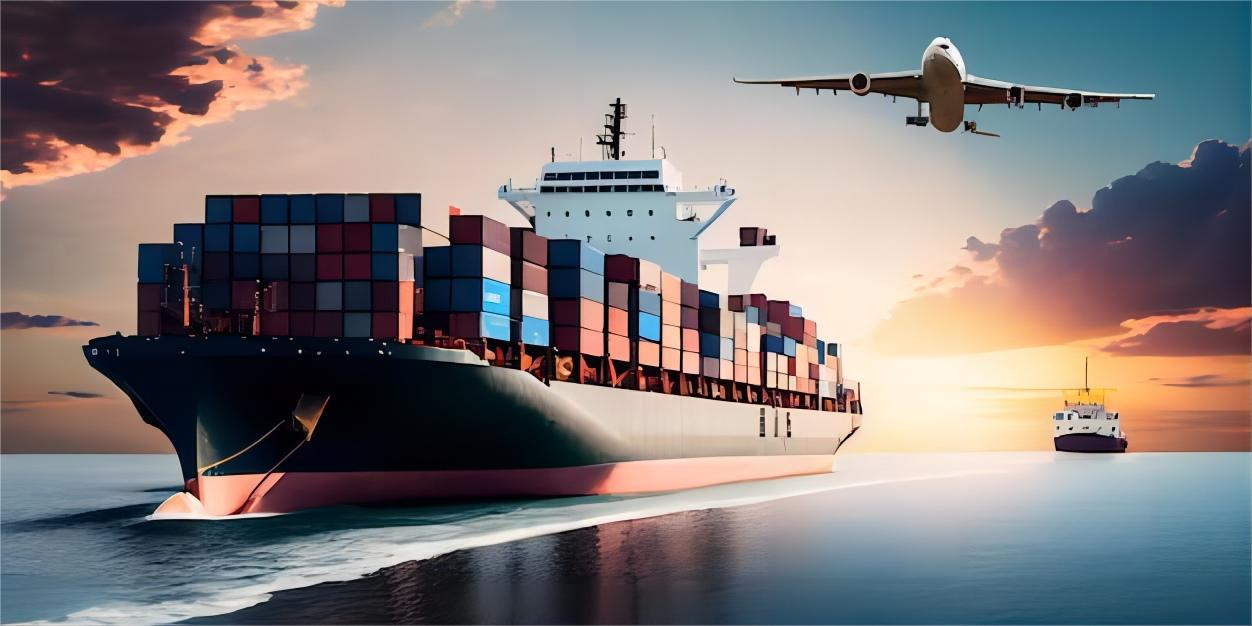
Choosing the right transportation method depends on your specific balance of cost, speed, and volume requirements. Sea freight remains the most economical choice for high-volume shipments, whereas air freight offers unmatched speed for urgent or high-value cargo. Additionally, intermodal rail solutions play a vital role in moving containers from coastal ports like Los Angeles or Prince Rupert to the Chicago railheads. Consequently, businesses must evaluate their priorities before booking any shipment to ensure they are not overpaying for speed they do not need.
Furthermore, market data from early 2026 suggests that sea freight continues to dominate the route due to its massive capacity. While air freight might take 5 to 10 days, sea freight to chicago typically spans 30 to 45 days depending on the port of entry. However, the cost difference is staggering, often saving importers thousands of dollars per container. Specifically, for shipments exceeding 500 kilograms, ocean transport becomes the clear winner in terms of landed cost per unit.
| Shipping Method | Cost Range | Transit Time | Best For |
|---|---|---|---|
| Sea Freight (FCL) | $3,500 – $6,500 | 30-45 Days | Bulk goods, large inventory |
| Air Freight | $5.50 – $9.00/kg | 5-10 Days | Electronics, urgent samples |
| LCL Sea Freight | $80 – $150/CBM | 35-50 Days | Small business shipments |
| Sea-Air Hybrid | $3.00 – $4.50/kg | 18-25 Days | Medium urgency balance |
FCL vs LCL: Which is Right for Your Chicago Shipment?
Understanding the difference between Full Container Load (FCL) and Less than Container Load (LCL) is paramount for managing your budget. If you have enough cargo to fill a 20ft or 40ft container, sea freight in the form of FCL is generally the most secure and cost-effective method. Moreover, FCL shipments often experience fewer delays because they do not require consolidation or deconsolidation at the port. This leads to a more predictable delivery schedule for your Illinois warehouse.
In contrast, LCL allows you to share container space with other importers, which is ideal for smaller volumes. Nevertheless, LCL can involve higher handling fees and slightly longer transit times due to the extra steps in the logistics chain. As a result, many growing businesses start with LCL and transition to FCL as their order volumes increase. Indeed, the break-even point for switching to FCL often occurs around the 15 cubic meter mark.
Key Transit Times and Port Routes for Illinois Imports
Transit times for sea freight to chicago are heavily influenced by the choice of coastal port and the subsequent rail journey. Most cargo from China enters the United States through West Coast ports like Los Angeles, Long Beach, or Seattle. Subsequently, the containers are loaded onto intermodal trains for a four-to-seven-day trip to Chicago rail yards. Alternatively, some shippers prefer the Canadian route through Prince Rupert, which often offers faster rail connections to the Midwest.
Moreover, the East Coast route via the Panama Canal is an option for those looking to avoid West Coast congestion. While this route involves a longer time at sea, it can sometimes be more stable during periods of labor unrest at Pacific ports. Consequently, your logistics strategy should include a backup route to mitigate potential disruptions. Notably, as of Q1 2026, the Vancouver-to-Chicago rail corridor has seen significant infrastructure upgrades, improving reliability for northern routes.
Calculating the Total Cost of Ocean Freight to Chicago
Determining the total landed cost involves more than just the ocean freight rate quoted by a carrier. You must account for origin charges, destination handling, and the critical intermodal rail component that brings the cargo inland. Additionally, customs duties and taxes can significantly impact your final price point. Therefore, always request a comprehensive quote that includes all potential surcharges like fuel adjustment factors and peak season surcharges.
Typical rates as of early 2026 show that a 40HQ container from Shanghai to Chicago fluctuates between $4,500 and $6,200. Meanwhile, LCL rates are often quoted per cubic meter and may include inland delivery to your door. To summarize, being aware of these variables allows for more accurate retail pricing and better profit margin protection. Industry average for this route suggests that inland rail transport accounts for nearly 30 percent of the total shipping cost.
| Charge Type | Estimated Cost (FCL) | Estimated Cost (LCL) | Frequency |
|---|---|---|---|
| Ocean Freight | $3,800 – $5,000 | $90 – $140/CBM | Per Shipment |
| Inland Rail | $1,200 – $1,800 | $30 – $60/CBM | Per Container/CBM |
| Customs Entry | $150 – $250 | $150 – $250 | Per Entry |
| Trucking (Drayage) | $300 – $600 | $150 – $300 | Per Delivery |
The Role of Intermodal Transport in Chicago Logistics
Chicago is unique because it is not a coastal port, meaning intermodal transport is the lifeblood of its international trade. Most sea freight to chicago arrives at the Elwood or Joliet rail terminals before being trucked to final destinations. Consequently, the efficiency of the rail-to-truck transfer, known as drayage, is a major factor in your total transit time. Furthermore, working with a forwarder who has strong relationships with major rail carriers like BNSF or Union Pacific is highly beneficial.
Indeed, the 2026 logistics trends show an increased reliance on smart tracking for these intermodal segments. Importers can now see exactly when their container moves from the ship to the railcar and eventually to the Chicago yard. As a result, warehouse managers can schedule labor more effectively, reducing demurrage and detention costs. Without a doubt, Chicago remains the most connected intermodal hub in North America, offering unmatched access to the surrounding states.

Customs Clearance and Documentation for Chicago Entry
Navigating the complexities of U.S. Customs and Border Protection is a mandatory step for every international shipment. You will need a commercial invoice, packing list, and a bill of lading to begin the process. Additionally, using a professional customs brokerage service ensures that your cargo is classified correctly under the Harmonized Tariff Schedule. Consequently, you avoid unnecessary fines and lengthy inspections that could derail your delivery schedule.
Moreover, Chicago is home to a major Customs Port of Entry, which handles a high volume of inland clearances. Importers should ensure their ISF (Importer Security Filing) is submitted at least 24 hours before the vessel leaves the port in China. Failure to do so can result in significant penalties and holds upon arrival in the U.S. Therefore, proactive documentation management is the best way to ensure a smooth transition from the port to the Chicago railhead.
Which Option Should You Choose? Decision Framework
Deciding on the best shipping strategy requires a clear understanding of your business goals and cargo characteristics. If your primary goal is budget priority, then sea freight to chicago via a West Coast port is almost always the best recommendation. However, if speed is your priority, you might consider a sea-air hybrid solution or direct air freight. For those requiring a hands-off experience, door to door services provide the most convenience by handling every leg of the journey.
Consider the volume thresholds as well; shipments under 1 CBM are often cheaper via express courier, while those between 1 and 15 CBM are best for LCL. Once you exceed 15 CBM, FCL becomes the most economical choice. Additionally, cargo type considerations like hazardous materials or oversized equipment may dictate specific container types or routes. Ultimately, a balanced approach that utilizes different methods for different product lines often yields the best supply chain stability.
Real-World Case Studies: Shipping from China to Chicago
Case Study 1: Electronics Distribution to Illinois. Route: Shenzhen to Chicago via Los Angeles. Cargo: 4000kg of consumer electronics, 12 CBM. Method: LCL Sea Freight. Total Landed Cost: $2,850. Transit Time: 38 days. Key Insight: Using a consolidated LCL service saved the client 60% compared to air freight while meeting their inventory restocking deadline.
Case Study 2: Furniture Import for Chicago Retailer. Route: Ningbo to Chicago via Prince Rupert. Cargo: Full 40HQ container of office furniture. Method: FCL Sea Freight. Total Landed Cost: $6,400. Transit Time: 32 days. Key Insight: Choosing the Canadian rail route avoided congestion in California, resulting in a 5-day faster delivery to the Chicago warehouse.
Case Study 3: E-commerce Fulfillment. Route: Shanghai to Chicago via New York. Cargo: 2500kg of apparel. Method: Amazon FBA Sea Freight. Total Landed Cost: $3,200. Transit Time: 45 days. Key Insight: Direct-to-FBA shipping reduced handling costs and ensured the products were available for the Q4 peak season in the Midwest.
Market Intelligence and 2026 Logistics Trends
As of early 2026, the shipping market from China to Chicago has stabilized following the disruptions of previous years. Industry benchmarks indicate that carrier capacity has increased, leading to more competitive freight rates for Midwest importers. Meanwhile, the adoption of green shipping initiatives is starting to influence route choices, with some carriers offering carbon-neutral options for the sea freight leg. Consequently, businesses that prioritize sustainability may find new opportunities to enhance their brand value.
Furthermore, seasonal patterns remain a critical factor in pricing, with rates typically increasing 15-25% during the August-October peak season. Importers are encouraged to book their space at least 4-6 weeks in advance during these periods to ensure equipment availability. Based on current market rates, 2026 is expected to be a year of moderate growth for the Chicago logistics corridor. Therefore, staying informed about these trends is essential for maintaining a competitive edge in the Illinois marketplace.
Final Thoughts on Shipping to Chicago
Successfully managing sea freight to chicago requires a combination of strategic planning, route knowledge, and reliable partnerships. By understanding the nuances of FCL and LCL, navigating the intermodal rail network, and preparing documentation early, you can significantly reduce your shipping risks. Whether you are a small business or a large corporation, the Chicago hub offers the infrastructure needed to support your growth. Remember to monitor market trends and adjust your strategy to capitalize on the best available rates and transit times.

Need a tailored shipping solution?
Ready to optimize your supply chain with reliable sea freight to chicago? Contact our expert team today for a customized quote and professional guidance on your next shipment. Visit our website to learn more about our comprehensive logistics solutions. Send Inquiry: https://logisticsfromchina.com/contact-us/