

Ship Products from China by Sea: Ultimate 2026 Logistics Guide
Navigating the complexities of international logistics is a critical step for any business looking to scale operations. Many importers choose to ship products from china by sea because it offers the most cost-effective solution for large volumes of inventory. However, understanding the nuances of ocean freight is essential to avoid delays and unexpected expenses. This guide provides a comprehensive overview of the current shipping landscape in 2026 to help you optimize your supply chain.
Why Should You Ship Products from China by Sea?
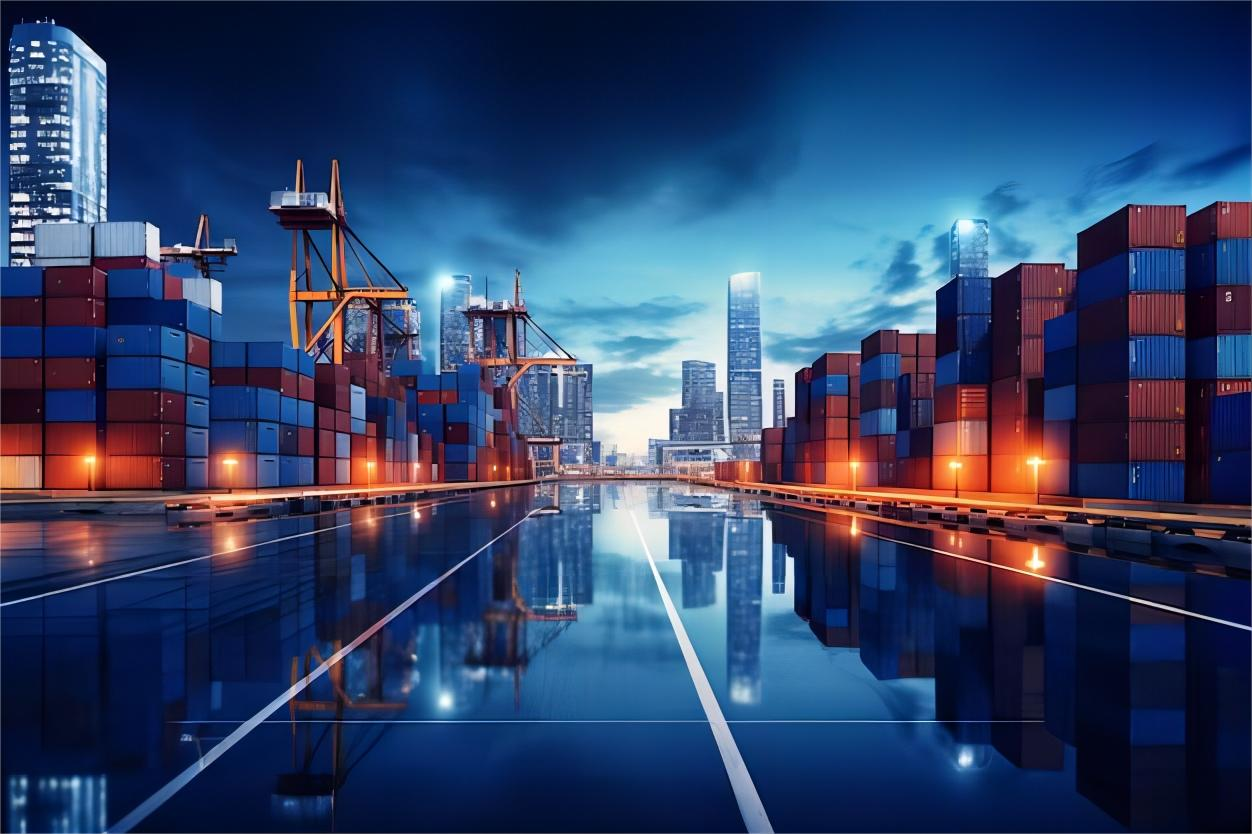
Ocean freight remains the backbone of global trade due to its incredible capacity and affordability. When you decide to ship products from china by sea, you gain access to the most economical way to move bulky or heavy items. Furthermore, modern vessels are becoming more fuel-efficient, which helps stabilize long-term shipping costs.
Additionally, sea freight is the primary choice for businesses importing large quantities of goods that are not time-sensitive. Consequently, companies can plan their inventory cycles around established sailing schedules. This predictability allows for better warehouse management and more consistent retail fulfillment.
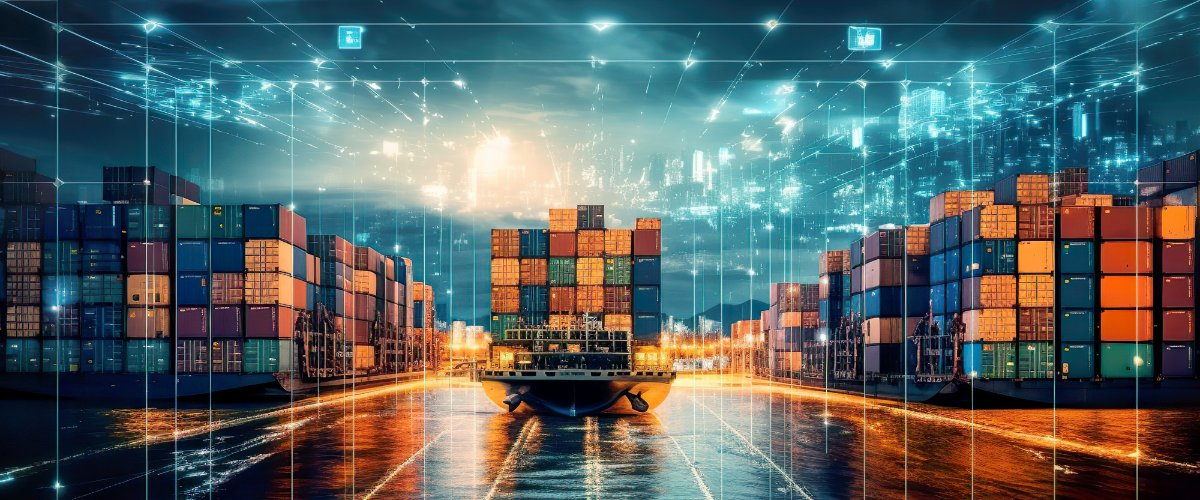
Moreover, the environmental impact per ton of cargo is significantly lower compared to air transport. Therefore, choosing ocean routes can contribute to a more sustainable corporate social responsibility profile. Indeed, many global brands are shifting more of their volume to the water to meet green logistics targets.
How Does Sea Freight Compare to Other Shipping Options?
Choosing the right transportation method depends heavily on your budget, cargo size, and required delivery speed. While sea freight is the most affordable, air freight is much faster but significantly more expensive. For instance, a shipment that takes 30 days by sea might arrive in just 5 days by air.
Alternatively, rail freight offers a middle ground for shipments traveling from China to Europe. It is faster than sea and cheaper than air, making it an excellent choice for high-value industrial goods. However, for Australia or North America, rail is generally not a direct option from China.
Without a doubt, each method has its specific use case based on market conditions in 2026. For example, if you are shipping lightweight electronics, air might be viable. On the other hand, for furniture or heavy machinery, ocean freight is almost always the only logical choice.
| Shipping Method | Cost Range | Transit Time | Best For |
|---|---|---|---|
| Sea Freight | Low ($1,500 – $5,000 per container) | 15 – 45 Days | Bulk goods, heavy items, large stock |
| Air Freight | High ($5 – $12 per kg) | 3 – 7 Days | Urgent samples, high-value electronics |
| Rail Freight | Medium ($3,000 – $6,000 per container) | 18 – 22 Days | China-Europe mid-range urgency |
| Express | Very High ($8 – $15 per kg) | 2 – 5 Days | Documents, small parcels, prototypes |
Understanding FCL vs LCL for Sea Shipments
When you ship products from china by sea, you must choose between Full Container Load (FCL) and Less than Container Load (LCL). FCL means you have exclusive use of a 20ft or 40ft container, which is ideal for larger volumes. In contrast, LCL involves sharing container space with other shippers, which is cost-effective for smaller loads.
Specifically, FCL is often faster because the container does not need to be consolidated or deconsolidated at a warehouse. Consequently, the risk of damage or loss is slightly lower since the container remains sealed from the factory to the destination. Nevertheless, LCL is a fantastic entry point for small businesses testing new product lines.
As a result, the choice usually comes down to total volume in cubic meters (CBM). For shipments over 15 CBM, FCL typically becomes more economical than paying for LCL on a per-unit basis. Therefore, always calculate your total volume before booking your space with a freight forwarder.
Step-by-Step Process to Ship Products from China by Sea
The first step involves identifying a reliable supplier and confirming the Incoterms of your trade agreement. Once the goods are ready, your logistics provider will arrange for pickup or delivery to the port of loading. Following this, the cargo undergoes export customs clearance before being loaded onto the vessel.
Subsequently, the ship departs for the destination port, following a set delivery schedule. During this time, you should receive a Bill of Lading, which serves as a title to the goods. Many importers now utilize door to door services to simplify this entire chain of events.
Upon arrival at the destination port, the shipment must go through import customs. Finally, after all duties are paid and the cargo is released, a local trucking company delivers the goods to your warehouse. This structured flow ensures that your supply chain remains efficient and transparent.
Estimated Transit Times for Major Global Routes in 2026
Transit times vary significantly based on the distance between the port of loading and the port of discharge. For instance, shipments from Shenzhen to Los Angeles usually take between 14 to 18 days. However, shipping to the US East Coast via the Panama Canal can take 30 to 35 days.
Meanwhile, routes to Europe generally take longer due to the distance around Africa or through the Suez Canal. For example, a vessel from Shanghai to Rotterdam typically spends 30 to 40 days at sea. Consequently, you must factor in these timelines when planning your seasonal inventory launches.
Furthermore, port congestion and seasonal weather patterns can occasionally impact these estimates. Indeed, during the peak season from August to October, transit times may increase by several days. Therefore, it is wise to add a buffer to your delivery schedule to account for potential delays.
| Route | 20GP Container | 40HQ Container | Est. Transit |
|---|---|---|---|
| China to USA West | $1,600 – $2,300 | $2,900 – $3,900 | 14 – 18 Days |
| China to Europe | $1,900 – $2,600 | $3,100 – $4,300 | 30 – 35 Days |
| China to Australia | $900 – $1,300 | $1,500 – $2,100 | 12 – 18 Days |
| China to UK | $2,100 – $2,900 | $3,600 – $4,600 | 30 – 38 Days |
Managing Customs and Documentation
Proper documentation is the key to a smooth customs clearance process. You will need a commercial invoice, a packing list, and the Bill of Lading for every shipment. Additionally, certain products may require specific certificates of origin or safety compliance documents.
Hiring a professional customs brokerage can save you from costly mistakes and legal issues. For example, incorrect HS code classification can lead to heavy fines or even cargo seizure. Consequently, many successful importers outsource this task to experts who understand the latest 2026 regulations.
Moreover, you should always be aware of the current tariff rates for your specific product category. For instance, trade agreements between countries can change, affecting the total landed cost of your goods. Indeed, staying informed about logistics trends and trade policy is vital for maintaining a competitive edge.
Case Study 1: Electronics FCL Shipment to USA
Route: Shenzhen, China to Long Beach, USA. Cargo: Consumer Electronics, 65 CBM, 12,000 kg. Container: 40HQ. Shipping Details: Direct service via major carrier. Port of Loading: Shenzhen. Port of Discharge: Long Beach. Cost Breakdown: Ocean Freight: $3,200. Origin Charges: $450. Destination Charges: $600. Customs and Duties: $4,500. Total Landed Cost: $8,750. Timeline: Booking to Loading: 4 days. Sea Transit: 16 days. Customs Clearance: 3 days. Total Door-to-Door: 25 days. Key Insight: Using FCL for high-value electronics reduced handling and ensured the products arrived in perfect condition. Based on Q1 2026 market rates.
Case Study 2: Textile LCL Shipment to Germany
Route: Ningbo, China to Hamburg, Germany. Cargo: Cotton Apparel, 8 CBM, 2,400 kg. Container: LCL. Shipping Details: Transshipment via Singapore. Port of Loading: Ningbo. Port of Discharge: Hamburg. Cost Breakdown: Ocean Freight: $640 ($80/CBM). Origin Charges: $200. Destination Charges: $350. Customs and Duties: $1,200. Total Landed Cost: $2,390. Timeline: Booking to Loading: 6 days. Sea Transit: 34 days. Customs Clearance: 4 days. Total Door-to-Door: 48 days. Key Insight: LCL allowed this small boutique to import inventory without the high cost of a full container. Market data suggests LCL rates remain stable for 2026.
Which Option Should You Choose?
Determining the best way to ship products from china by sea depends on your specific business priorities. If your primary goal is to minimize costs, LCL or slow-steaming FCL services are the best routes. However, if you need to stock up quickly for a holiday sale, you might consider a premium fast-sea service.
For budget priority, we recommend FCL for anything over 15 CBM to maximize the price-per-unit ratio. For speed priority, look for direct sailings that bypass intermediate hubs like Singapore or Busan. Additionally, consider cargo type; fragile items often benefit from the reduced handling of FCL shipments.
Volume thresholds are also a major factor in your decision framework. Once your business reaches a volume of 3-4 containers per month, you can often negotiate better freight rates directly with carriers. To summarize, always analyze your total landed cost rather than just the ocean freight rate.
Mastering Your Sea Freight Strategy
In conclusion, the decision to ship products from china by sea is a strategic move that can significantly enhance your profit margins. By understanding the differences between FCL and LCL, managing documentation carefully, and choosing the right routes, you can build a resilient supply chain. As we move through 2026, staying adaptable to market changes and logistics trends will be essential for success.
Furthermore, partnering with a knowledgeable logistics provider ensures that you can navigate any challenges that arise during transit. Whether you are a small business or a large corporation, ocean freight offers the scalability needed to grow in the global marketplace. Start planning your next shipment today to take advantage of the most efficient shipping methods available.

Need a tailored shipping solution?
Ready to streamline your international supply chain and reduce costs? Our expert team is here to help you ship products from china by sea with efficiency and reliability. Visit our website to request a customized quote today and experience seamless global logistics. Visit https://logisticsfromchina.com/ to get started. Send Inquiry: Visit our contact page for immediate assistance.