
2026 Guide to Import Shipping from China: Strategies for Success
Successfully managing import shipping from china remains a cornerstone of profitable global trade for many modern businesses in 2026. Navigating the complexities of international logistics requires a deep understanding of freight methods, customs regulations, and current market trends. By leveraging the expertise of Logistics From China, importers can significantly reduce transit times and operational costs while maintaining high service standards. This comprehensive guide explores the most effective strategies to streamline your logistics and ensure your cargo arrives safely and on schedule.

What Are the Main Methods for Import Shipping from China?
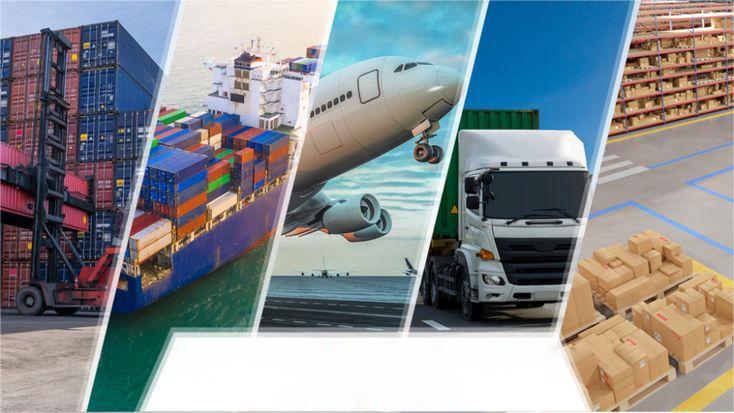
Understanding the available logistics options allows you to select the most efficient route for your specific cargo needs. Most businesses choose sea freight when they need to transport large volumes of goods economically over long distances. Furthermore, air freight serves as the primary choice for high-value or time-sensitive shipments that require rapid delivery to global markets. Consequently, selecting the right method depends on your budget, timeline, and the nature of the products you are importing from Chinese manufacturers.
Choosing between these methods involves a careful analysis of your supply chain priorities and customer demands. For instance, smaller shipments often benefit from consolidated container loads, which reduce costs for growing businesses. Additionally, the rise of specialized logistics providers has made it easier to access diverse shipping lanes and competitive pricing structures. Therefore, you should evaluate each option based on its reliability and the total value it brings to your business operations.
Full Container Load vs Less than Container Load
FCL shipping provides you with exclusive use of a 20ft or 40ft container, ensuring your goods remain undisturbed throughout the journey. This method typically offers faster transit times because the carrier does not need to consolidate multiple shipments at the port of origin. In contrast, LCL shipping allows you to pay only for the space you use by sharing a container with other importers. While LCL is more cost-effective for small volumes, it often requires extra time for sorting and deconsolidation at the destination port.
How to Calculate the Total Cost of Import Shipping from China?
Calculating the total landed cost involves much more than simply looking at the base freight rate provided by a carrier. You must also account for port charges, fuel surcharges, and local delivery fees that can add up quickly during the transport process. Moreover, import duties and taxes vary significantly based on the classification of your goods and their specific country of origin. Therefore, a comprehensive budget must include every step from the factory floor to your final warehouse destination to avoid unexpected financial surprises.
Accurate cost estimation requires a detailed breakdown of all potential expenses associated with international trade. For example, insurance premiums protect your investment against damage or loss during transit and should never be overlooked. Additionally, terminal handling charges and documentation fees are standard costs that every importer must factor into their pricing models. Consequently, working with a transparent freight forwarder helps you identify these costs upfront and manage your profit margins more effectively.
| Cost Category | Typical Range | Frequency | Description |
|---|---|---|---|
| Ocean Freight | $1,500 – $6,000 | Per Container | Base port-to-port rate |
| Port Charges | $300 – $800 | Per Shipment | Loading and unloading fees |
| Customs Duties | 0% – 25% | Of Cargo Value | Government import taxes |
| Local Delivery | $200 – $1,500 | Per Shipment | Trucking to final warehouse |
How Does Sea Freight Compare to Other Shipping Options?
Sea freight continues to dominate the industry due to its massive capacity and relatively low cost per unit for bulk cargo. However, it is essential to compare this method against alternatives like rail and air to ensure you are making the best decision for your inventory. For instance, rail freight offers a faster transit time than sea while remaining much cheaper than air for shipments traveling to Europe. In contrast, express services provide the fastest possible delivery but at a significant premium that may not suit low-margin products.
Making an objective analysis of these alternatives helps you balance speed and cost effectively. While sea freight might save you thousands of dollars, the longer lead times could result in lost sales if your stock runs out. Therefore, many savvy importers use a mix of methods to maintain a steady flow of goods while keeping their overall logistics expenses manageable. Specifically, hybrid solutions like sea-air freight have gained popularity in 2026 for bypassing congested ports during peak seasons.
| Shipping Method | Cost Range | Transit Time | Best For |
|---|---|---|---|
| Sea (FCL) | $2,500 – $4,500 | 25 – 40 Days | Large bulk orders |
| Air Freight | $4.50 – $9.00/kg | 3 – 7 Days | Time-sensitive items |
| Rail Freight | $1,800 – $3,200 | 15 – 22 Days | European destinations |
| Express | $7.00 – $15.00/kg | 2 – 5 Days | Samples and small parcels |

Which Option Should You Choose for Your Business?
Deciding on the best logistics strategy requires a careful evaluation of your business priorities and customer expectations. If your primary goal is to minimize expenses, sea freight is typically the most logical choice for non-perishable goods with predictable demand. On the other hand, if you are launching a new product or replenishing low stock, the speed of air freight might justify the higher cost. Moreover, businesses using Amazon FBA must adhere to strict delivery windows, often making faster methods more attractive.
Volume thresholds also play a major role in determining the most economical shipping method for your business. For shipments under 100 kilograms, express services often provide the best value due to their simplified pricing and door-to-door convenience. However, as your volume increases, the cost savings of sea or rail freight become much more significant and impactful. Consequently, you should regularly review your shipping volumes and adjust your strategy to take advantage of economies of scale as your business grows.
The Essential Role of Customs Brokerage in Global Trade
Expert customs brokerage services play a critical role in ensuring that your shipments pass through international borders without unnecessary delays. These professionals handle the complex paperwork and ensure that your cargo complies with all current trade regulations and safety standards. Consequently, hiring an experienced broker can prevent expensive fines and long-term storage fees at the port of entry. Professional guidance is particularly valuable in 2026 as global trade policies continue to evolve and require precise documentation for every import.
Managing the clearance process effectively requires a deep understanding of Harmonized System (HS) codes and valuation rules. An error in classification can lead to overpaying duties or, even worse, the seizure of your goods by customs authorities. Furthermore, brokers can help you identify opportunities for duty drawbacks or trade agreements that could reduce your overall tax burden. Therefore, investing in professional brokerage services is a proactive way to safeguard your supply chain and maintain a positive relationship with customs officials.
Navigating Import Shipping from China to North America and Europe
Shipping routes to major markets like North America and Europe have seen significant technological and infrastructure improvements in recent years. For instance, express service options now offer more reliable tracking and faster clearance for e-commerce parcels. Many businesses also utilize door to door services to simplify their operations and reduce the need for multiple logistics partners. Ultimately, choosing a freight forwarder with a strong presence in these regions will help you navigate local logistics challenges and ensure smooth final-mile delivery.
Regional differences in port efficiency and inland transportation can also impact your overall transit times and costs. While West Coast ports in the USA offer shorter sea transit times, East Coast ports might be more convenient for reaching major distribution centers. Similarly, European importers must choose between major hubs like Rotterdam or Hamburg based on their proximity to final customers. Consequently, a well-planned route that considers both sea and land transport will provide the most reliable results for your international shipping needs.
Case Studies: Real-World Import Shipping from China Scenarios
Reviewing actual shipment data provides valuable insights into the costs and timelines you can expect in the current 2026 market. These examples illustrate how different methods and routes impact the total landed cost and the overall efficiency of the supply chain. Note: Freight rates are subject to change based on fuel costs, carrier capacity, and seasonal demand. Contact us for a current quote tailored to your specific shipment.
Case Study 1: Electronics to Los Angeles. Route: Shenzhen to Los Angeles. Cargo: Consumer Electronics, 15 CBM, 4000 kg. Container: 20GP. Carrier: Major carrier. Port of Loading: Shenzhen. Port of Discharge: Los Angeles. Total Landed Cost: $2,950. Sea Transit: 16 days. Total Door-to-Door: 24 days. Key Insight: Choosing a direct route saved 5 days compared to transshipment options.
Case Study 2: Fashion Apparel to Hamburg. Route: Ningbo to Hamburg. Cargo: Textiles, 60 CBM, 12000 kg. Container: 40HQ. Carrier: Major carrier. Port of Loading: Ningbo. Port of Discharge: Hamburg. Total Landed Cost: $4,600. Sea Transit: 32 days. Total Door-to-Door: 42 days. Key Insight: Utilizing rail freight as an alternative during port congestion saved the client 10 days of delay.
Case Study 3: Medical Supplies to London. Route: Shanghai to London. Cargo: Medical Equipment, 2 CBM, 450 kg. Method: Air Freight. Port of Loading: Shanghai. Port of Discharge: Heathrow. Total Landed Cost: $2,800. Transit: 5 days. Total Door-to-Door: 8 days. Key Insight: Rapid customs clearance was essential for these time-sensitive goods to meet urgent demand.
Essential Documentation for a Smooth Import Process
Proper documentation is the foundation of a successful international shipment and helps avoid complications during the clearance process. You must ensure that the commercial invoice, packing list, and bill of lading are all accurate and consistent with each other. Additionally, certain types of cargo may require specific certificates of origin or safety data sheets to meet local entry requirements. Therefore, maintaining a detailed checklist of required documents will help you stay organized and prevent common shipping errors that lead to delays.
Electronic documentation has become the standard in 2026, allowing for faster processing and better transparency throughout the logistics chain. Most carriers and customs authorities now prefer digital versions of the bill of lading and other essential forms. Furthermore, using a centralized platform to manage your documents ensures that all stakeholders have access to the information they need in real-time. Consequently, embracing these digital tools will improve your efficiency and reduce the risk of lost or misplaced paperwork during the import process.
| Document Name | Primary Purpose | Key Information Included | Required By |
|---|---|---|---|
| Bill of Lading | Title of goods | Carrier, Route, Weight | Carrier/Customs |
| Commercial Invoice | Valuation for duties | Price, Seller, Buyer | Customs |
| Packing List | Cargo verification | Dimensions, Packaging | Port Authority |
| Certificate of Origin | Trade compliance | Manufacturing location | Customs |
Mastering Your Import Logistics
Mastering the process of import shipping from china is essential for any business looking to thrive in the competitive global marketplace of 2026. By carefully selecting your shipping methods and partnering with experienced logistics providers, you can ensure your supply chain remains resilient and cost-effective. Remember that the right strategy involves a continuous balance of speed, cost, and reliability tailored to your specific business needs.
Staying informed about market trends and maintaining flexible logistics plans will allow you to adapt to any challenges that arise. Whether you choose sea, air, or rail freight, the goal is always to deliver value to your customers while protecting your bottom line. Start optimizing your import operations today to secure a more profitable and efficient future for your international trade business.
Need a tailored shipping solution?
Ready to optimize your supply chain and reduce costs? Contact our expert team at Logistics From China today to receive a personalized quote for your next shipment. Our professionals are standing by to help you navigate the complexities of import shipping from china and ensure your business stays ahead of the competition. Visit our website to learn more and get started now.
Frequently Asked Questions
What is the cheapest way to ship from China?
Sea freight is generally the most economical method for large or heavy shipments. It offers the lowest cost per unit despite having longer transit times compared to other options.
How long does shipping take from China to the USA?
Sea freight typically takes 15 to 30 days depending on whether you ship to the West or East Coast. Air freight is much faster, usually arriving within 3 to 7 days.
Do I need a customs broker for my imports?
While not legally required for every shipment, a broker ensures compliance and prevents costly delays. They are highly recommended for complex or high-value cargo transactions.
What are the most common Incoterms used?
FOB (Free on Board) and CIF (Cost, Insurance, and Freight) are the most common. These terms define who is responsible for costs and risks during the shipping process.
Can I ship small quantities from China?
Yes, LCL (Less than Container Load) or express services are perfect for small volumes. These options allow you to share container space and save money on smaller orders.
How are air freight rates calculated in 2026?
Carriers calculate rates based on either actual weight or volumetric weight, whichever is greater. This ensures they maximize the use of their limited aircraft cargo space.
Is rail freight available for shipments to Australia?
No, rail freight from China primarily serves destinations in Europe and Central Asia. Shipments to Australia must utilize sea freight or air freight services instead.
What is the benefit of door-to-door service?
This service manages the entire logistics process from the supplier to your final warehouse. It simplifies your operations and reduces the risk of coordination errors between multiple parties.