
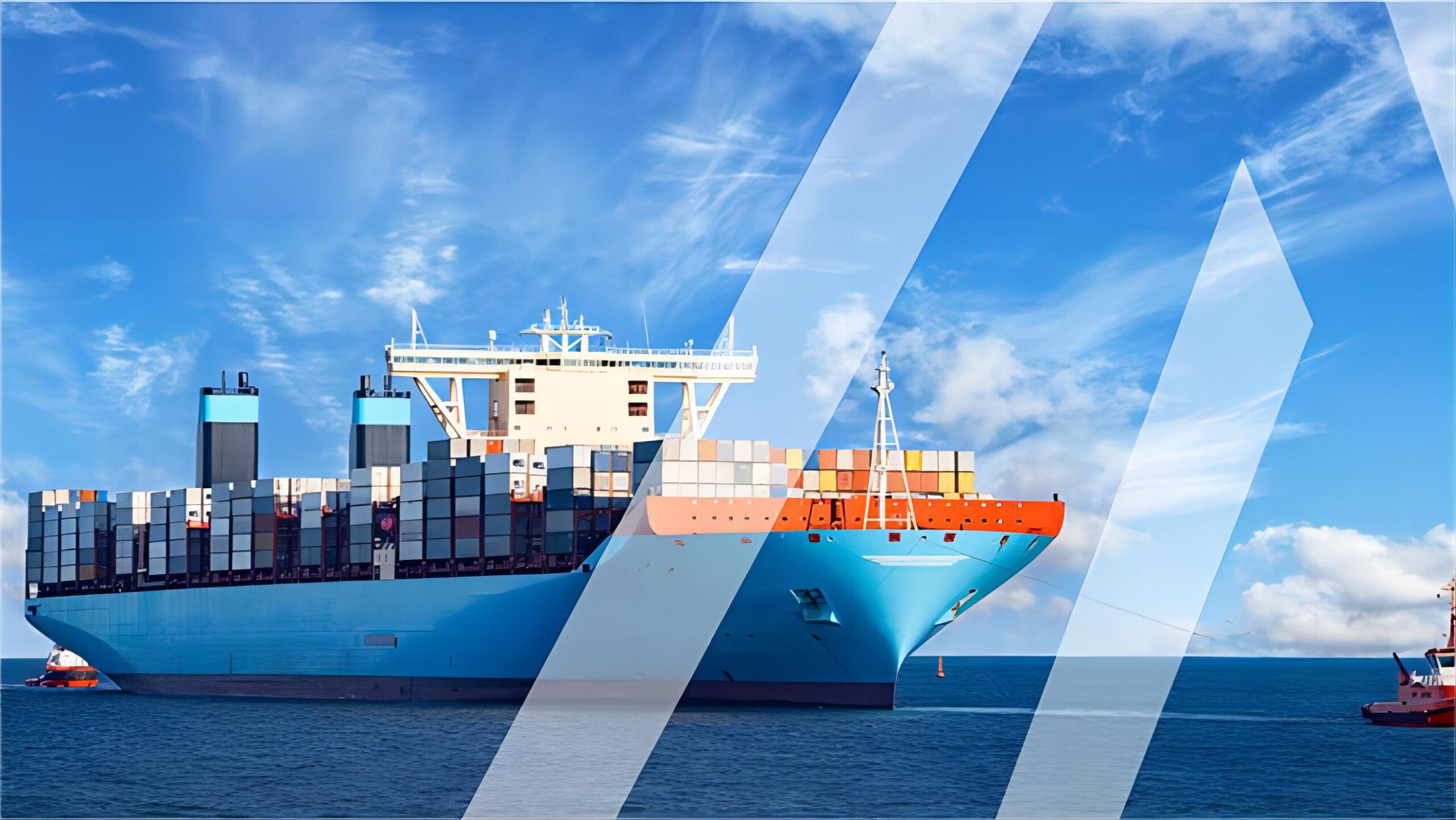
Shipping from China to Houston: 2026 Guide to Rates and Time
Shipping from China to Houston remains a critical corridor for American businesses seeking to leverage global manufacturing while accessing the heart of Texas. Navigating the complexities of international logistics requires a deep understanding of route options, current market trends, and local port operations. To streamline your supply chain, Logistics From China provides comprehensive solutions tailored to the unique demands of the Houston market. This guide explores everything from container rates to customs procedures to ensure your cargo arrives safely and efficiently.

What Are the Main Shipping Methods for Houston?
Choosing the right transportation mode is the most significant decision you will make regarding your logistics strategy. For most high-volume importers, sea freight offers the most economical balance between cost and capacity. This method utilizes the Port of Houston, which is one of the busiest ports in the United States and a primary gateway for the Gulf Coast.
Moreover, businesses with urgent inventory needs often turn to air freight to minimize transit times significantly. While more expensive, air transport ensures that high-value or time-sensitive goods reach George Bush Intercontinental Airport (IAH) within days. This speed is essential for maintaining lean supply chains or responding to sudden market shifts in the Texas region.
Additionally, for smaller parcels or samples, express service provides a seamless solution that includes pickup and delivery. This courier-based approach simplifies the process by handling every step of the journey, including final-mile transport to your Houston warehouse. It is particularly effective for e-commerce sellers and small business owners who require rapid replenishment.
How Much Does Shipping from China to Houston Cost in 2026?
Estimating shipping costs requires an analysis of current fuel surcharges, port fees, and seasonal demand fluctuations. As of early 2026, freight rates have stabilized following the logistical shifts of previous years, though peak seasons still command a premium. Specifically, shipping a full container from major Chinese ports to Houston involves several cost components beyond the base ocean freight.
Furthermore, LCL (Less than Container Load) rates are calculated per cubic meter, making it a viable option for those not needing a full 20ft or 40ft unit. However, FCL (Full Container Load) remains the gold standard for cost efficiency when shipping more than 15 cubic meters of cargo. The following table provides an estimate of typical container rates for the current market cycle.
| Container Type | Average Cost (USD) | Transit Time | Best For |
|---|---|---|---|
| 20GP Container | $3,200 – $4,500 | 30-35 Days | Heavy machinery |
| 40GP Container | $4,800 – $6,200 | 30-35 Days | General consumer goods |
| 40HQ Container | $5,200 – $6,800 | 30-35 Days | Voluminous cargo |
| LCL (per CBM) | $80 – $130 | 35-40 Days | Small shipments |

Understanding Transit Times for Houston Cargo
Transit times for shipping from China to Houston are influenced by the specific route taken, whether through the Panama Canal or via West Coast rail links. Generally, direct sea routes to the Port of Houston take between 30 and 38 days depending on the port of origin in China. Ports like Shanghai and Ningbo typically offer more frequent sailings compared to smaller inland hubs.
Consequently, if speed is your primary concern, air freight can deliver goods to Houston in as little as 5 to 8 days. This includes time for consolidation, export clearance in China, and local handling upon arrival in Texas. Below is a breakdown of typical transit times for various Chinese origins to the Houston destination.
| Origin City | Sea Freight (Days) | Air Freight (Days) | Express (Days) |
|---|---|---|---|
| Shanghai | 32-35 | 5-7 | 3-5 |
| Shenzhen | 30-34 | 4-6 | 3-5 |
| Ningbo | 33-36 | 5-7 | 4-6 |
| Qingdao | 35-40 | 6-8 | 5-7 |
How Does Sea Freight Compare to Other Shipping Options?
Comparing different shipping methods allows you to align your logistics budget with your delivery requirements. While sea freight is the most affordable for large volumes, it lacks the agility of air or express services. Therefore, many importers utilize a hybrid strategy, sending bulk inventory by sea and urgent restocks by air.
In addition, rail-sea combinations or transshipment through other ports can sometimes offer cost savings or bypass congestion. However, for the Houston market, the direct water route via the Panama Canal remains the most common and reliable choice for heavy industrial goods. The table below outlines the trade-offs between the primary shipping strategies available today.
| Method | Cost Range | Transit Time | Limitations |
|---|---|---|---|
| Sea Freight | Low | 30-40 Days | Longer lead times |
| Air Freight | High | 5-8 Days | Weight restrictions |
| Express | Premium | 3-5 Days | High cost for bulk |
| LCL | Medium | 35-45 Days | Higher risk of damage |
Which Option Should You Choose for Your Business?
Choosing the ideal shipping method depends on your specific cargo volume, budget, and deadline requirements. If you are importing large quantities of furniture or industrial equipment, sea freight is almost certainly your best option due to the lower cost per unit. Conversely, high-tech electronics or seasonal fashion items may justify the higher expense of air transport to capture market demand.
Specifically, for businesses looking for a hands-off experience, door to door services are highly recommended. This comprehensive solution manages every detail from the factory floor in China to your final destination in Houston. It eliminates the need for you to coordinate multiple carriers and simplifies the entire international trade process.
Customs Brokerage and Documentation Requirements
Navigating US Customs is often the most challenging part of importing goods from China to the United States. To avoid delays and penalties, you must ensure that all documentation, including the Bill of Lading, Commercial Invoice, and Packing List, is perfectly accurate. Utilizing a professional customs brokerage service can prevent common errors that lead to cargo holds at the Port of Houston.
Moreover, understanding the specific HTS codes for your products is vital for calculating duties and taxes correctly. In 2026, customs regulations continue to emphasize security and compliance, making it more important than ever to work with experienced partners. Proper preparation ensures that your goods clear the port quickly and enter the local Texas market without unnecessary hurdles.

Real World Case Studies for Houston Shipments
Case Study 1: Industrial Equipment from Ningbo to Houston. A Texas-based manufacturing firm needed to transport heavy machinery for a new production line. We utilized a 40HQ container via sea freight, departing from Ningbo and arriving at the Port of Houston. The total landed cost was approximately 6,200 USD, with a door-to-door timeline of 42 days, including 5 days for customs clearance and local drayage.
Case Study 2: E-commerce Electronics from Shenzhen to Houston. An online retailer required urgent stock for a Q4 promotion. We arranged air freight for 850 kg of consumer electronics from Shenzhen (SZX) to Houston (IAH). The total cost was 4,100 USD, and the shipment was delivered to their warehouse in just 7 days, allowing them to meet customer demand during the peak shopping season.
Case Study 3: Retail Apparel LCL from Shanghai to Houston. A boutique clothing brand imported 6 CBM of summer apparel. By using LCL shipping, they saved significantly compared to a full container, with a total cost of 1,150 USD. The transit took 38 days, and the goods were delivered directly to their retail location in downtown Houston using our local delivery network.
Cost Saving Strategies for China to Houston Routes
Reducing your logistics expenses requires proactive planning and a deep understanding of the shipping industry. One effective strategy is to consolidate multiple small orders into a single LCL or FCL shipment to reduce per-unit costs. Additionally, booking your shipments at least 3-4 weeks in advance can help you secure lower rates before peak season surcharges take effect.
Furthermore, optimizing your packaging to reduce wasted space can lead to significant savings, especially in air freight where volume-weight is a major factor. Finally, always request a detailed quote that includes all potential charges to avoid hidden fees at the destination. Note: Freight rates are subject to change based on fuel costs, carrier capacity, and seasonal demand. Contact us for a current quote tailored to your specific shipment.
Success in Shipping from China to Houston
Successfully managing shipping from China to Houston requires a combination of strategic planning, reliable partnerships, and local expertise. Whether you choose the cost-efficiency of sea freight or the speed of air cargo, understanding the nuances of the Texas market is essential. By following the guidelines in this article and leveraging professional logistics services, you can ensure your supply chain remains competitive and resilient.
Ultimately, the goal is to find the perfect balance between speed and cost while maintaining full compliance with US customs. As we move through 2026, staying informed about market trends and port conditions will empower you to make the best decisions for your business. Let us help you navigate the complexities of international trade and deliver your cargo to Houston with confidence.
Need a tailored shipping solution?
Ready to streamline your shipping from China to Houston? Contact Logistics From China today for a personalized quote and expert guidance on your next shipment. Visit our website to learn more and start your journey toward efficient global logistics.

Frequently Asked Questions
What is the cheapest way to ship from China to Houston?
Sea freight is generally the most economical method, especially for large volumes. Utilizing LCL services for smaller shipments can also keep costs low by sharing container space with other importers.
How long does sea freight take from China to the Port of Houston?
Typically, sea freight takes between 30 and 40 days. This includes ocean transit through the Panama Canal and time for port handling at both the origin and destination.
Can I ship directly to a warehouse in Houston?
Yes, door-to-door services allow for direct delivery from the Chinese factory to any warehouse or business address in Houston, handling all intermediate logistics steps.
What documents are needed for Houston customs clearance?
The primary documents include the Commercial Invoice, Packing List, Bill of Lading, and an Arrival Notice. Some specific products may require additional permits or certificates.
Is air freight to Houston worth the extra cost?
Air freight is worth it for high-value, perishable, or extremely urgent goods. It reduces transit time from over a month to less than a week, which can be critical for certain business models.
Are there weight limits for shipping to Houston?
Standard containers have weight limits around 26,000 kg for a 20ft and 28,000 kg for a 40ft. Air freight is limited by aircraft capacity and is much more sensitive to weight.
How are import duties calculated for Texas arrivals?
Duties are based on the HTS code of the product, the declared value on the commercial invoice, and the country of origin. A customs broker can provide precise calculations for your specific items.