
All in One Sea Freight Solution: Streamlining Global Logistics in 2026
Managing international shipments often involves juggling multiple vendors, which can lead to significant delays and unexpected costs. By choosing a comprehensive all in one sea freight solution, businesses can consolidate their logistics operations into a single, efficient workflow. Consequently, this approach reduces the administrative burden on your team while ensuring that cargo moves seamlessly from the manufacturer to the final destination. In the fast-paced market of 2026, having a centralized strategy is no longer just an advantage but a necessity for maintaining a competitive edge.
What Defines a Modern All in One Sea Freight Solution?
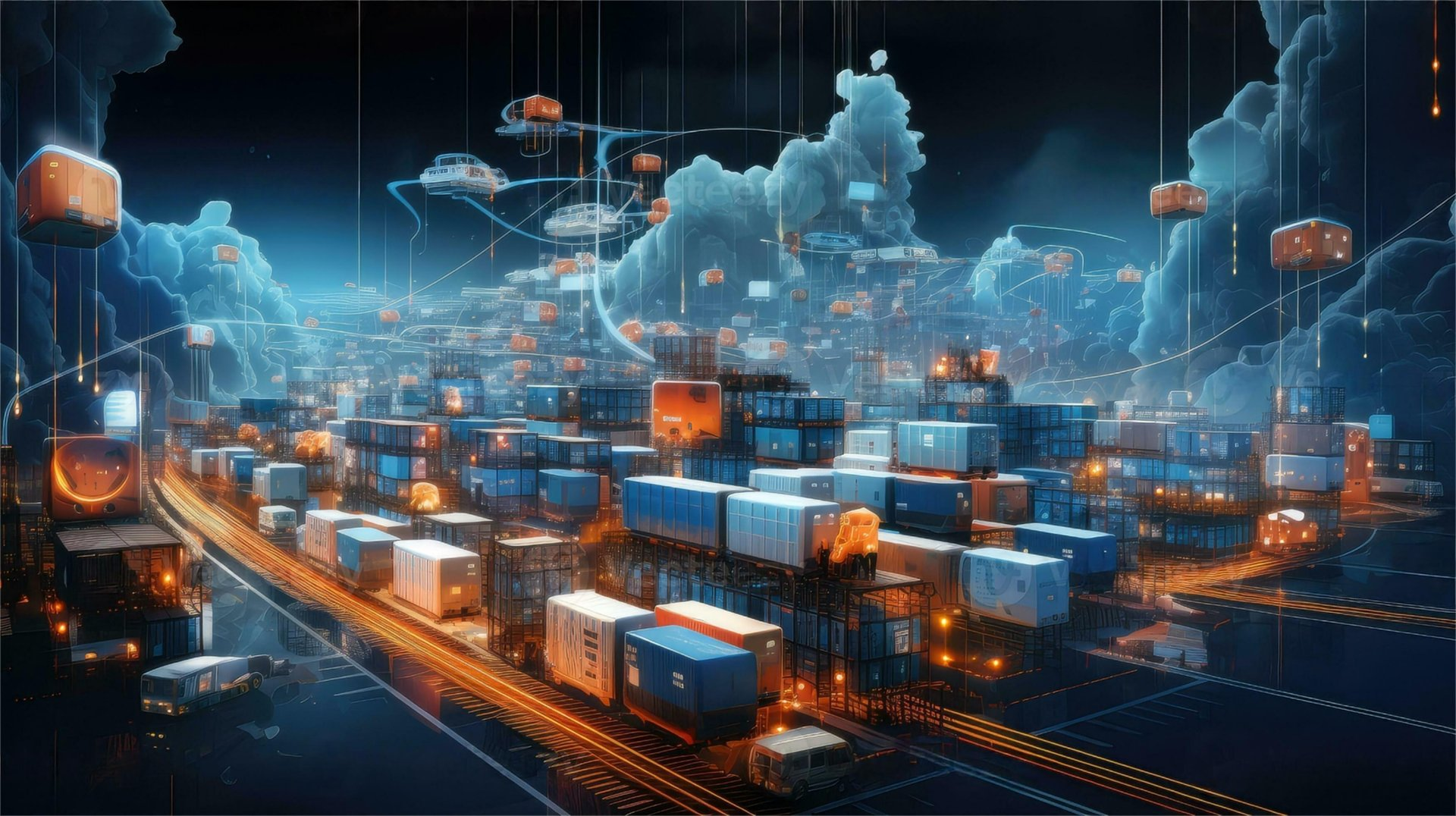
A modern all in one sea freight solution encompasses more than just moving containers across the ocean. It integrates various services such as inland trucking, warehouse storage, customs clearance, and final mile delivery into one package. Indeed, this holistic approach allows importers to focus on their core business activities instead of managing logistics minutiae.
Furthermore, technology plays a critical role in these solutions by providing real-time tracking and digital documentation. When you utilize a specialized sea freight service, you gain access to a network of carriers and port agents who work in sync. This level of coordination is essential for avoiding the common pitfalls of international shipping.
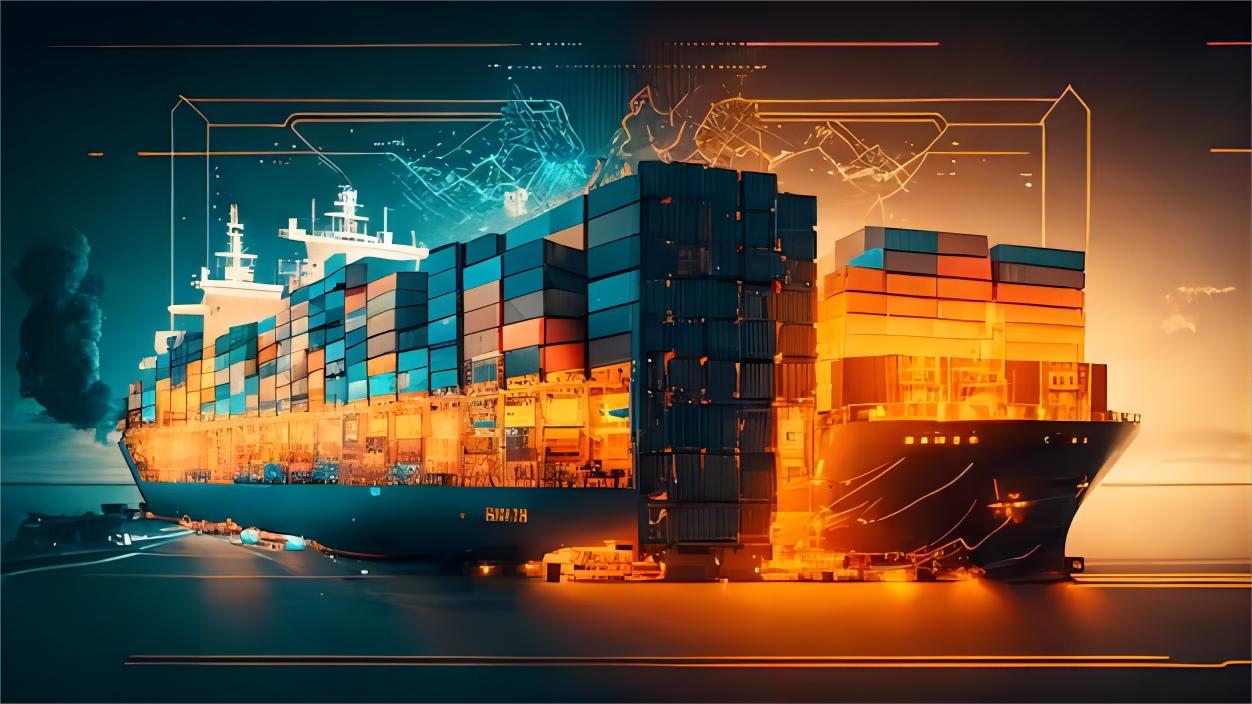
Additionally, a single provider takes full responsibility for the cargo throughout its journey. Therefore, if an issue arises at a transshipment port or during customs inspection, you have one point of contact to resolve the problem. This accountability is the cornerstone of a successful supply chain strategy in 2026.
How Does an All in One Sea Freight Solution Compare to Other Shipping Options?
Choosing the right transport mode depends heavily on your budget, timeline, and the nature of your goods. While sea freight is often the most cost-effective choice for large volumes, it is important to understand how it stacks up against alternatives. For instance, air freight offers unparalleled speed but comes at a much higher price point.
On the other hand, rail freight provides a middle ground for shipments traveling from China to Europe, offering faster transit than sea and lower costs than air. However, for island nations like Australia, sea freight remains the only viable heavy-lift option. Without a doubt, evaluating these trade-offs is crucial for optimizing your landed costs.
Meanwhile, hybrid solutions like sea-air combinations are gaining popularity for urgent shipments that cannot justify the full cost of air transport. These alternatives provide flexibility in a volatile market where port congestion can suddenly change the logistics landscape. Below is a detailed comparison of the primary shipping methods available today.
| Shipping Method | Cost Range | Transit Time | Best For | Limitations |
|---|---|---|---|---|
| Sea Freight | Low ($1,500 – $4,500 per container) | 15 – 40 Days | Bulk goods and large volumes | Longer transit times |
| Air Freight | High ($5 – $12 per kg) | 3 – 7 Days | High-value or urgent cargo | Strict weight and size limits |
| Rail Freight | Medium ($4,000 – $6,000 per container) | 18 – 22 Days | China to Europe land routes | Geographic limitations |
| Express Service | Very High ($8 – $15 per kg) | 2 – 5 Days | Samples and small parcels | Most expensive per unit |
Why Customs Brokerage is Integral to Your Sea Freight Strategy
Navigating the legal requirements of different countries can be a daunting task for any importer. A comprehensive all in one sea freight solution always includes expert customs brokerage to ensure compliance with local regulations. Consequently, this prevents costly delays and potential fines at the port of entry.
Moreover, professional brokers stay updated on changing tariff codes and trade agreements that could affect your bottom line. For example, they can help you identify opportunities for duty drawbacks or tax exemptions. Without this expertise, your shipment might be held for weeks due to minor documentation errors.
In addition, having your customs clearance handled by the same company managing your freight creates a seamless transition from the sea to the road. This integration ensures that all necessary paperwork is prepared well before the vessel arrives at the port. As a result, your goods can be released and delivered to your warehouse much faster.
The Efficiency of Door to Door Sea Freight Services
One of the most significant benefits of a unified logistics plan is the ability to utilize door to door delivery. This service covers the entire journey from the factory floor in China to your specific delivery address. Indeed, it eliminates the need for you to coordinate with local trucking companies or warehouse operators.
Furthermore, door to door services simplify the billing process by providing a single invoice for all logistics expenses. This transparency helps businesses calculate their exact landed cost per unit with greater accuracy. Consequently, you can price your products more effectively in the marketplace.
Additionally, this method provides a higher level of security for your cargo. Since the same logistics provider oversees the entire process, there is a lower risk of theft or damage during handovers between different carriers. For many businesses, the peace of mind offered by this end-to-end oversight is invaluable.
Integrating Amazon FBA with Sea Freight Solutions
For e-commerce sellers, managing inventory levels is a constant challenge that requires precise timing. Using an all in one sea freight solution specifically tailored for Amazon FBA can significantly streamline your operations. These specialized services ensure that your products meet Amazon’s strict labeling and packaging requirements before they reach the fulfillment center.
Moreover, many logistics providers offer prep services and short-term storage in China or at the destination country. This allows you to ship large volumes via sea freight and then drip-feed inventory into Amazon’s warehouses as needed. By doing so, you can avoid high long-term storage fees charged by Amazon.
In contrast to shipping small batches via air, using sea freight for FBA allows for much higher profit margins. Although the transit time is longer, the massive savings on shipping costs often outweigh the delay. Therefore, planning your inventory cycles in advance is key to leveraging this cost-effective method.
Which Sea Freight Option Should You Choose?
FCL vs LCL: Volume Thresholds
Full Container Load (FCL) is generally the best option if you have enough cargo to fill at least 15 to 20 cubic meters. It offers faster transit times because the container does not need to be opened for consolidation. On the other hand, Less than Container Load (LCL) is ideal for smaller shipments, allowing you to pay only for the space you use.
However, LCL involves more handling and can take 5 to 7 days longer due to the consolidation and deconsolidation processes. If your volume is between 10 and 15 CBM, it is often worth calculating if an FCL 20GP container might actually be cheaper or more efficient. Without a doubt, volume is the primary driver of this decision.
Direct vs Transshipment Routes
Direct routes are the fastest way to move cargo but often come with a premium price tag. For instance, a direct vessel from Shanghai to Los Angeles might save you a week compared to a route that stops in Busan or Yokohama. Nevertheless, transshipment routes can offer significant savings for businesses that are not in a rush.
As of early 2026, many carriers have optimized their schedules to balance speed and fuel efficiency. Consequently, the price gap between direct and transshipment services has narrowed slightly. You should choose based on whether your priority is the lowest possible rate or the fastest delivery schedule.
Real-World Case Studies: All in One Sea Freight Solution in Action
To understand the practical application of these services, let us look at some recent examples from the 2025-2026 shipping seasons. These cases highlight how different businesses utilized integrated logistics to overcome challenges and reduce costs.
Note: Freight rates are subject to change based on fuel costs, carrier capacity, and seasonal demand. Contact us for a current quote tailored to your specific shipment.
Case Study 1: Electronics Distribution to the USA
Route: Shenzhen, China to Los Angeles, USA. Cargo: Consumer electronics, 65 CBM, 12,000 kg. Container: 40HQ. Carrier: COSCO. Port of Loading: Shenzhen. Port of Discharge: Los Angeles. Route Type: Direct.
Cost Breakdown: Ocean Freight: $3,400. Origin Charges: $450. Destination Charges: $600. Customs and Duties: $1,200. Total Landed Cost: $5,650. Timeline: Booking to Loading: 4 days. Sea Transit: 16 days. Customs Clearance: 2 days. Total Door-to-Door: 25 days.
Key Insight: By using a 40HQ container instead of multiple LCL shipments, the client saved over 30% in total logistics costs. This shipment was successful because the documentation was pre-filed 7 days before arrival.
Case Study 2: Industrial Machinery to Germany
Route: Ningbo, China to Hamburg, Germany. Cargo: CNC Machinery, 25 CBM, 8,500 kg. Container: 20GP. Carrier: Maersk. Port of Loading: Ningbo. Port of Discharge: Hamburg. Route Type: Transshipment via Singapore.
Cost Breakdown: Ocean Freight: $2,200. Origin Charges: $400. Destination Charges: $550. Customs and Duties: $1,800. Total Landed Cost: $4,950. Timeline: Booking to Loading: 5 days. Sea Transit: 32 days. Customs Clearance: 3 days. Total Door-to-Door: 45 days.
Key Insight: Despite the Red Sea stabilization in late 2025, the client opted for a transshipment route to save $600. The all in one solution managed the complex customs requirements for heavy machinery perfectly.
Market Trends and Pricing for 2026
As we progress through 2026, the sea freight market has entered a period of relative stability compared to previous years. According to industry benchmarks, global carrier capacity has increased, which has helped keep freight rates from China to North America and Europe at manageable levels. However, seasonal peaks during the third quarter still see rate hikes of 15% to 25%.
Additionally, there is a growing trend toward green shipping initiatives. Many carriers are now offering ‘carbon-neutral’ options by using alternative fuels or carbon offsets. While these services may carry a small surcharge, they are becoming increasingly important for companies with strict ESG goals.
Furthermore, digital freight forwarding platforms are making it easier for small businesses to access the same rates as large corporations. Indeed, the democratization of logistics data allows for better planning and more accurate budgeting. Typical rates as of early 2026 suggest that a 40GP container from China to the UK averages between $3,200 and $4,200 depending on the carrier.
| Route | 20GP Container | 40GP Container | 40HQ Container | Est. Transit |
|---|---|---|---|---|
| China to USA West | $1,500 – $2,200 | $2,500 – $3,500 | $2,800 – $3,800 | 14-18 Days |
| China to Europe | $1,800 – $2,500 | $2,800 – $3,800 | $3,000 – $4,200 | 28-35 Days |
| China to Australia | $800 – $1,200 | $1,200 – $1,800 | $1,400 – $2,000 | 12-18 Days |
| China to UK | $2,000 – $2,800 | $3,200 – $4,200 | $3,500 – $4,500 | 30-38 Days |
Mastering Your Global Supply Chain
In conclusion, implementing an all in one sea freight solution is a strategic move that can drive significant efficiency for your business. By consolidating your shipping, customs, and delivery needs, you reduce the risk of errors and optimize your overall costs. Throughout 2026, the importance of a reliable and transparent logistics partner cannot be overstated.
Whether you are shipping full containers or smaller LCL loads, having a professional team manage the process ensures your goods arrive safely and on time. Remember to stay informed about market trends and plan your shipments in advance to secure the best possible rates. With the right approach, your international trade operations will become a powerful engine for business growth.
Need a tailored shipping solution?
Ready to simplify your supply chain with a reliable all in one sea freight solution? Our team at Logistics From China is here to provide you with a customized quote and expert guidance for your next shipment. Contact us today to get started and experience the benefits of a truly integrated logistics partner. Send Inquiry: https://logisticsfromchina.com/contact-us/