

Sea Freight Shipping Near Me: Your 2026 Guide to Global Logistics
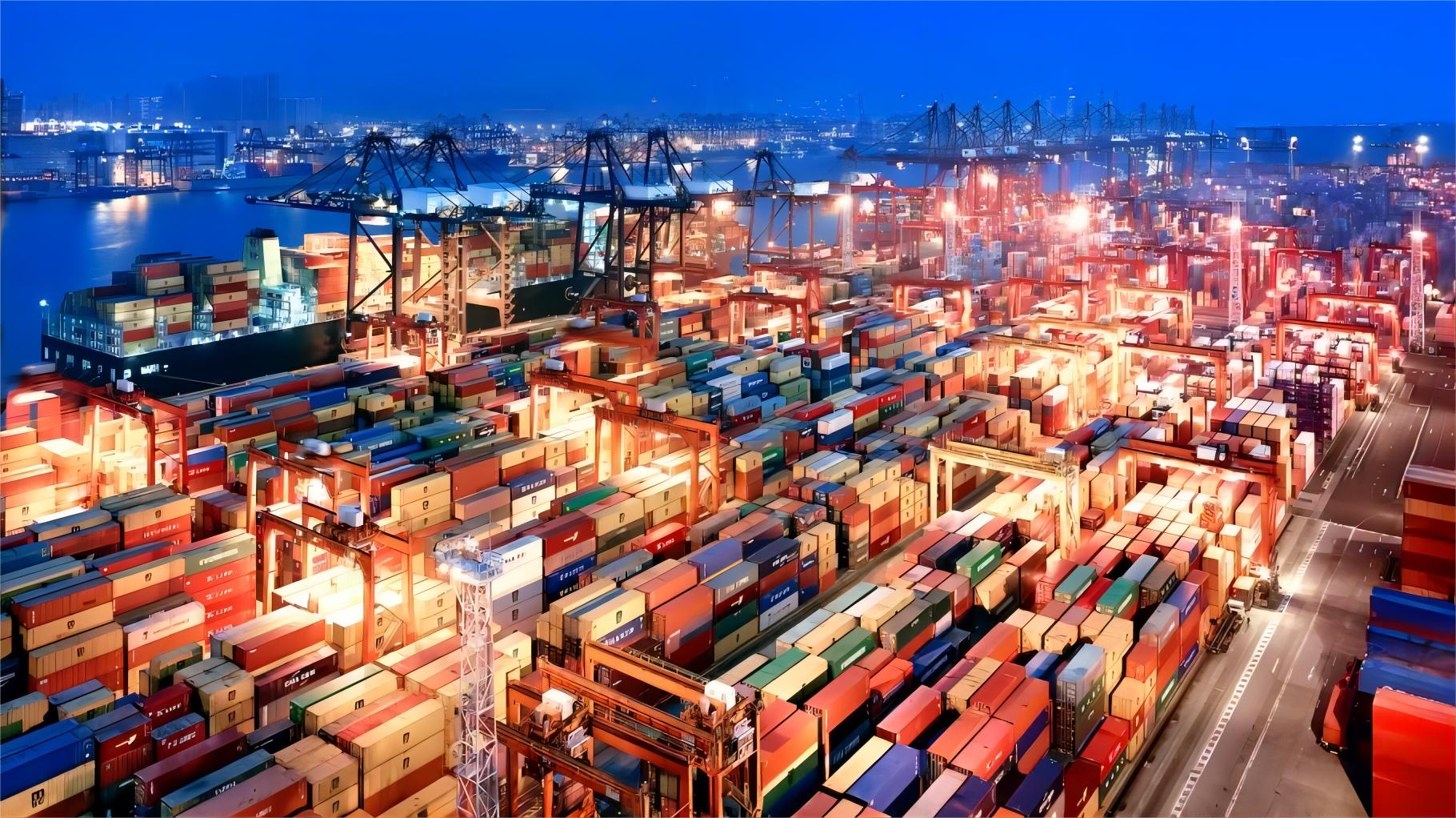
Finding reliable sea freight shipping near me is the first step toward building a resilient global supply chain. At Logistics From China, we simplify the complex world of international logistics for businesses of all sizes. Moreover, our team provides tailored solutions that ensure your goods move efficiently from factory floors to final destinations. Consequently, you can focus on growing your business while we handle the heavy lifting of ocean transport.
What is Sea Freight Shipping Near Me and Why Does It Matter?
Sea freight remains the backbone of international trade because it offers unparalleled capacity for bulk goods. When you search for sea freight shipping near me, you are looking for a partner that bridges the gap between local operations and global markets. Indeed, over 80 percent of global trade by volume is carried by sea, making it the most vital link in the supply chain.
Choosing a local freight forwarder allows for better communication and more personalized service. Furthermore, local experts understand the specific regional regulations that might impact your cargo. Therefore, partnering with a nearby provider can significantly reduce the risk of logistical bottlenecks.
How Does Sea Freight Compare to Other Shipping Options?
Understanding the differences between transport modes is essential for making informed business decisions. While sea freight is known for cost-effectiveness, other methods like air or rail might be necessary for urgent needs. However, the environmental impact of ocean transport is generally lower per ton of cargo compared to air travel.
In 2026, many businesses are adopting hybrid models to balance speed and cost. For example, some companies use sea-air combinations to bypass port congestion while keeping expenses manageable. Without a doubt, evaluating each method based on your specific timeline is crucial.
| Shipping Method | Cost Range | Transit Time | Best For |
|---|---|---|---|
| Sea Freight | Low ($1,500 – $4,500) | 15 – 45 Days | Bulk goods, heavy machinery |
| Air Freight | High ($5,000 – $15,000+) | 3 – 7 Days | High-value, urgent items |
| Rail Freight | Medium ($2,500 – $5,000) | 18 – 25 Days | Trans-continental land routes |
| Express Service | Very High | 1 – 3 Days | Small parcels, documents |
Understanding the Costs of Sea Freight Shipping Near Me
Ocean freight rates are influenced by several variables including fuel surcharges, seasonal demand, and container availability. As of early 2026, market data suggests that rates have stabilized following the disruptions of previous years. Nevertheless, it is important to account for origin and destination charges that can add to the total landed cost.
Typical rates for a 40HQ container from China to the USA West Coast currently range between $2,800 and $3,800. In contrast, shipping to Europe usually costs between $3,000 and $4,200 due to longer transit distances. Accordingly, businesses should always request a detailed quote to avoid hidden fees.
Note: Freight rates are subject to change based on fuel costs, carrier capacity, and seasonal demand. Contact us for a current quote tailored to your specific shipment.
Key Factors Influencing Ocean Freight Transit Times
Transit times are a critical component of your inventory management strategy. Several factors, such as port congestion, weather conditions, and vessel schedules, can affect the delivery timeline. For instance, a direct route from Shenzhen to Long Beach typically takes 14 to 18 days.
Meanwhile, shipments bound for Australia from major Chinese ports usually arrive within 12 to 18 days. Consequently, planning your orders well in advance of peak seasons is highly recommended. Indeed, during the August to October peak, transit times can extend by an additional week.
Choosing Between FCL and LCL for Your Cargo
Full Container Load (FCL) and Less than Container Load (LCL) are the two primary ways to ship via ocean. FCL is generally safer and faster because the container is dedicated solely to your goods. On the other hand, LCL allows you to share space with other shippers, which is more economical for smaller volumes.
For shipments under 15 CBM, LCL is often the preferred choice for many small businesses. However, once your volume exceeds 15 CBM, the cost of a 20GP container becomes more competitive. Therefore, calculating the break-even point is a vital step in your logistics planning.
When to Choose FCL
FCL is ideal when you have enough cargo to fill at least 60 to 70 percent of a container. Additionally, it is the best option for fragile items that should not be handled frequently. Consequently, FCL reduces the risk of damage during the consolidation and deconsolidation process.
When to Choose LCL
LCL is perfect for startups or businesses testing new products in North America or other regions. Moreover, it provides flexibility for smaller, frequent shipments rather than waiting to accumulate enough stock for a full container. Nevertheless, be aware that LCL transit times are slightly longer due to the extra handling required.
Case Studies: Real-World Logistics Success in 2026
Case Study 1: Electronics Components to California. Route: Shanghai, China to Los Angeles, USA. Cargo: Computer parts, 12 CBM, 4,500 kg. Container: LCL. Shipping Details: Major carrier, direct route. Ocean Freight: $950. Origin Charges: $250. Destination Charges: $400. Customs and Duties: $1,200. Total Landed Cost: $2,800. Timeline: 22 days door-to-door. Key Insight: Choosing LCL saved the client $1,500 compared to an under-utilized FCL container.
Case Study 2: Furniture Shipment to Germany. Route: Ningbo, China to Hamburg, Germany. Cargo: Flat-pack furniture, 68 CBM. Container: 40HQ. Shipping Details: COSCO, transshipment via Singapore. Ocean Freight: $3,600. Origin Charges: $350. Destination Charges: $550. Customs and Duties: $2,100. Total Landed Cost: $6,600. Timeline: 38 days. Key Insight: Booking 4 weeks in advance secured a rate 15% below the market average during the Q3 peak.
Case Study 3: Industrial Machinery to Sydney. Route: Shenzhen, China to Sydney, Australia. Cargo: CNC Machine, 18 CBM, 8,000 kg. Container: 20GP. Shipping Details: Maersk, direct route. Ocean Freight: $1,100. Origin Charges: $300. Destination Charges: $450. Customs and Duties: $3,200. Total Landed Cost: $5,050. Timeline: 16 days. Key Insight: Utilizing a door to door service minimized the risk of damage during local transport.
Essential Customs Documentation for International Shipping
Navigating the complexities of international trade requires precise documentation. Errors in paperwork can lead to costly delays or even the seizure of your cargo by authorities. For this reason, many importers rely on a professional customs brokerage to handle the legal requirements.
Key documents include the Bill of Lading, Commercial Invoice, and Packing List. Additionally, specific products may require certificates of origin or safety permits. Consequently, having a checklist ready before the vessel departs is a best practice for all shippers.
| Document Name | Purpose | Required By |
|---|---|---|
| Bill of Lading | Title of goods and contract of carriage | Carrier and Customs |
| Commercial Invoice | Details of the transaction and value | Customs for duty assessment |
| Packing List | Detailed breakdown of cargo contents | Warehouse and Customs |
| ISF Filing | Security filing for US-bound cargo | US Customs (CBP) |
Which Option Should You Choose? Decision Framework
Selecting the right shipping strategy depends on your specific business priorities. If budget is your primary concern, sea freight is almost always the winner for large volumes. On the other hand, if you are shipping high-value items for Amazon FBA, speed might be more important to avoid stockouts.
Consider the volume thresholds when switching methods. For instance, once your cargo exceeds 100 kg, air freight becomes significantly more expensive than ocean options. Meanwhile, if your shipment is very small, express couriers might offer the best balance of convenience and cost.
Benefits of Working with a Local Freight Forwarder
A local freight forwarder acts as your advocate in the complex world of global shipping. They provide real-time updates and can quickly resolve issues that arise at the port. Furthermore, they often have established relationships with carriers, which can lead to better rates and space guarantees.
In 2026, technology has made tracking easier, but human expertise remains indispensable. Indeed, when unexpected delays occur, having a local contact who understands your business is invaluable. Therefore, searching for sea freight shipping near me is a strategic move for long-term success.
Final Thoughts on Sea Freight Solutions
To summarize, finding the right sea freight shipping near me involves balancing cost, speed, and reliability. By understanding the differences between FCL and LCL, and preparing the necessary documentation, you can ensure a smooth shipping process. Moreover, staying informed about market trends in 2026 will help you make proactive decisions for your business.
Whether you are shipping to North America, Europe, or Australia, the right logistics partner makes all the difference. Without a doubt, ocean freight will continue to be the most cost-effective way to move goods globally. Start your journey today by choosing a partner that understands your unique shipping needs.
Ready to streamline your logistics?
Ready to streamline your supply chain with reliable sea freight shipping near me? Contact our expert team today for a customized quote and experience seamless international logistics. Visit our inquiry page to get started. Send Inquiry: logisticsfromchina.com/contact/
Request Quote