
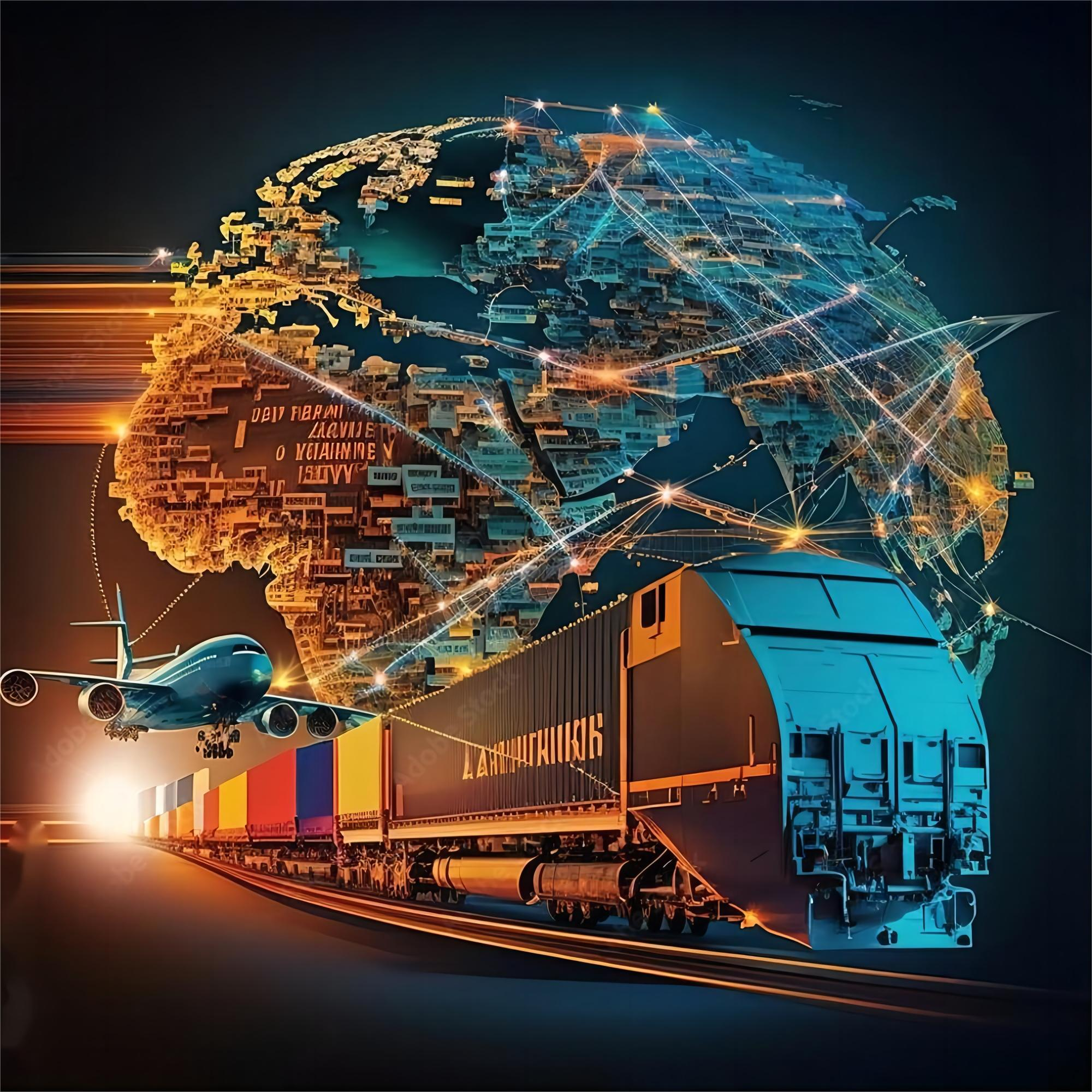
Top China Export Logistics Company Factory Pickup Services in 2026
“Navigating the complexities of international trade requires a reliable partner to manage the first mile of your supply chain efficiently. Engaging a professional Logistics From China expert ensures that your goods move seamlessly from the manufacturing floor to the final destination. This article explores how a china export logistics company factory pickup service optimizes your operations while reducing overhead costs and transit delays. Consequently, modern importers are increasingly prioritizing direct factory collection to maintain tighter control over their inventory and shipping schedules in the competitive 2026 market.”
Why Choose a China Export Logistics Company Factory Pickup Service?
❖Businesses often struggle with coordinating multiple vendors when moving goods from remote manufacturing hubs. Choosing a specialized provider for factory collection eliminates the need for you to manage local Chinese trucking companies independently. Moreover, this integrated approach allows for immediate cargo inspection and professional loading at the source. Historically, many importers left the first mile to the factory, which often resulted in hidden fees and poor communication.
Additionally, a dedicated logistics partner provides real-time tracking from the moment the truck leaves the factory gates. Effective coordination ensures that your goods reach the port or airport just in time for their scheduled departure. Furthermore, professional handlers can identify packaging issues early, preventing damage during the long ocean or air journey. Therefore, investing in a comprehensive pickup service is a strategic move for any growing enterprise.
Logistics trends in 2026 suggest that end-to-end visibility is no longer a luxury but a necessity for global brands. Understanding the local infrastructure in industrial zones like Dongguan or Ningbo requires local expertise that only a domestic logistics firm can offer. Currently, automated scheduling systems allow for faster dispatch times than ever before. Reliable pickup services bridge the gap between the production line and global distribution networks seamlessly.
How Factory Pickup Streamlines Your Supply Chain
❖Instead of waiting for the manufacturer to arrange delivery to a warehouse, you can take control of the timeline yourself. While some factories offer delivery, they often prioritize their own production schedules over your shipping deadlines. Similarly, using a third-party logistics provider ensures that your interests are the top priority during the inland transit phase. In contrast, factory-arranged transport may involve multiple transfers that increase the risk of cargo damage.
Many successful importers find that direct collection reduces the overall landed cost by eliminating manufacturer markups on local transport. To summarize, the streamlined process involves a single point of contact for both inland trucking and international freight. Shipping volumes are managed more effectively when the logistics provider understands the exact dimensions and weight of the cargo at the source. Professional drivers equipped with the right tools ensure that even fragile items remain secure during the initial transport phase.
How Does China Export Logistics Company Factory Pickup Compare to Other Shipping Options?
❖Without a doubt, selecting the right transport mode is the most critical decision in your logistics strategy. For instance, sea freight remains the most economical choice for large-scale shipments despite longer transit times. Once the factory pickup is complete, your goods are transported to major ports like Shanghai or Shenzhen for container loading. Finally, the choice between different methods depends on your budget, urgency, and the nature of the cargo itself.
Although air freight is significantly more expensive, it offers unparalleled speed for high-value electronics or seasonal fashion. Considering the 2026 market rates, air cargo is often used for urgent restocking to avoid lost sales during peak periods. Despite the higher cost, the reduced inventory holding time can sometimes justify the investment for specific business models. Experts recommend a hybrid approach, using sea for bulk stock and air for urgent requirements.
Note: Freight rates are subject to change based on fuel costs, carrier capacity, and seasonal demand. Contact us for a current quote tailored to your specific shipment.
| Shipping Method | Cost Range (USD) | Transit Time | Best For |
|---|---|---|---|
| Sea Freight (FCL) | $1,800 – $4,500 | 25 – 40 Days | Bulk Inventory |
| Air Freight | $5.00 – $12.00/kg | 3 – 7 Days | Urgent/High Value |
| Rail Freight | $1.20 – $2.50/kg | 18 – 22 Days | Europe Routes |
| Express Service | $8.00 – $18.00/kg | 2 – 5 Days | Small Samples |

Which Option Should You Choose for Your 2026 Shipments?
❖Generally, your choice should align with your primary business objective, whether that is cost reduction or speed to market. Hence, if you are moving more than 15 cubic meters of goods, a full container load is almost always the best value. Initially, small businesses might prefer less than container load (LCL) options to keep capital liquid. Just remember that LCL requires more handling at the port, which slightly increases the risk of delays.
Keeping your supply chain flexible is easier when you utilize door to door services that include factory pickup. Lately, the integration of digital platforms has made it simpler to compare different routes and carriers in real-time. Mostly, the decision comes down to the trade-off between the low cost of sea transport and the rapid turnaround of air cargo. Notably, rail freight has become a very stable middle-ground for shipments heading to Central and Western Europe.
Overall, the most successful importers are those who plan their shipments at least six weeks in advance. Previously, shorter lead times were possible, but 2026 market conditions require more proactive scheduling to secure the best rates. Quite often, booking your factory pickup early can save you hundreds of dollars in peak-season surcharges. Rather than waiting for a crisis, establish a consistent shipping schedule with your logistics partner today.
Key Documents for China Export Logistics Company Factory Pickup
❖Since customs regulations are strictly enforced, having the correct paperwork is essential for a smooth export process. Truly, a professional customs brokerage service can handle the complexities of HS codes and tax rebates on your behalf. Ultimately, the responsibility for accurate documentation falls on the exporter, but your logistics partner provides vital support. Very few shipments are delayed when the commercial invoice and packing list are perfectly aligned with the actual cargo.
Whenever you arrange a factory pickup, ensure that the manufacturer provides the necessary export licenses. Yielding to shortcuts in documentation can lead to heavy fines or even the seizure of goods by Chinese customs. Industry benchmarks suggest that over 60% of shipping delays are caused by paperwork errors rather than transport issues. Market data suggests that digital documentation is becoming the standard for all major Chinese ports in 2026.
| Document Name | Primary Purpose | Required By | Standard Format |
|---|---|---|---|
| Commercial Invoice | Value Declaration | Customs | Digital/PDF |
| Packing List | Cargo Details | Warehouse | Excel/PDF |
| Bill of Lading | Title of Goods | Carrier | Original/Telex |
| Certificate of Origin | Duty Calculation | Import Customs | Official Form |
Case Study: Electronics Shipment from Shenzhen to Los Angeles
❖Based on Q3 2025 market rates, we managed a significant shipment of consumer electronics for a California-based retailer. The route involved a factory pickup in Northern Shenzhen, followed by sea transit to the Port of Los Angeles. Because the cargo consisted of 10 CBM of high-value goods, we opted for a consolidated LCL shipment to optimize costs. Consequently, the client saved approximately 15% compared to their previous air freight strategy.
Shipping Details: Origin Shenzhen, Destination Los Angeles. Cargo: 10 CBM Electronics, 2,500 kg. Method: Sea Freight LCL via Major Carrier. Total Landed Cost: $3,200. Sea Transit: 16 days. Total Door-to-Door: 24 days. Key Insight: Early booking allowed us to secure a spot during a sudden capacity crunch, ensuring the client met their product launch deadline without extra fees.
Case Study: Industrial Parts from Ningbo to Hamburg
❖Typical rates as of early 2026 were applied to this 20GP container shipment of specialized machine components. Our team coordinated the pickup from a factory in the outskirts of Ningbo and managed the entire export process. Indeed, the direct route to Hamburg was chosen to minimize handling and reduce the risk of damage to the precision parts. As a result, the shipment arrived in perfect condition and ahead of the scheduled assembly date.
Shipping Details: Origin Ningbo, Destination Hamburg. Cargo: Industrial Machinery Parts, 28 CBM. Container: 20GP. Total Landed Cost: $4,100. Sea Transit: 32 days. Total Door-to-Door: 40 days. Key Insight: Using a direct vessel instead of transshipment saved 6 days of transit time, which was critical for the manufacturing plant’s operations in Germany.
Cost-Saving Strategies for International Shipping
❖According to industry benchmarks, consolidating multiple small orders into a single shipment can reduce costs by up to 25%. Moreover, choosing off-peak shipping dates helps you avoid the high surcharges associated with the Chinese New Year or the Q4 holiday rush. Furthermore, optimizing your packaging to reduce wasted space within the container is a simple yet effective way to lower your freight spend. Additionally, always request a breakdown of all local charges to ensure there are no hidden fees in your quote.
Logistics experts often suggest using a freight forwarder that has a strong presence in the specific province where your factory is located. Therefore, a company with a warehouse in Yiwu will likely offer better consolidation rates for goods produced in Zhejiang. Understanding the difference between FOB and EXW terms is also vital for controlling your costs. In 2026, many savvy importers prefer EXW terms paired with a reliable china export logistics company factory pickup service for maximum control.
Mastering Your Logistics Strategy in 2026
Summarizing the key points, a professional china export logistics company factory pickup service is the foundation of a resilient global supply chain. By choosing the right transport mode and ensuring accurate documentation, you can significantly reduce both costs and transit times. Whether you prefer the speed of air or the economy of sea, having a local expert manage the first mile is essential for success.
Indeed, the 2026 shipping landscape offers many opportunities for those who are prepared and proactive. We encourage you to evaluate your current logistics processes and consider the benefits of a more integrated approach. With the right partner, you can turn your logistics operations into a competitive advantage that drives business growth and customer satisfaction.
Ready to streamline your logistics?
Streamline your supply chain today with our professional china export logistics company factory pickup services. Our team provides end-to-end support to ensure your cargo arrives safely and on time. Send Inquiry for a custom quote tailored to your business needs.
Request Quote