
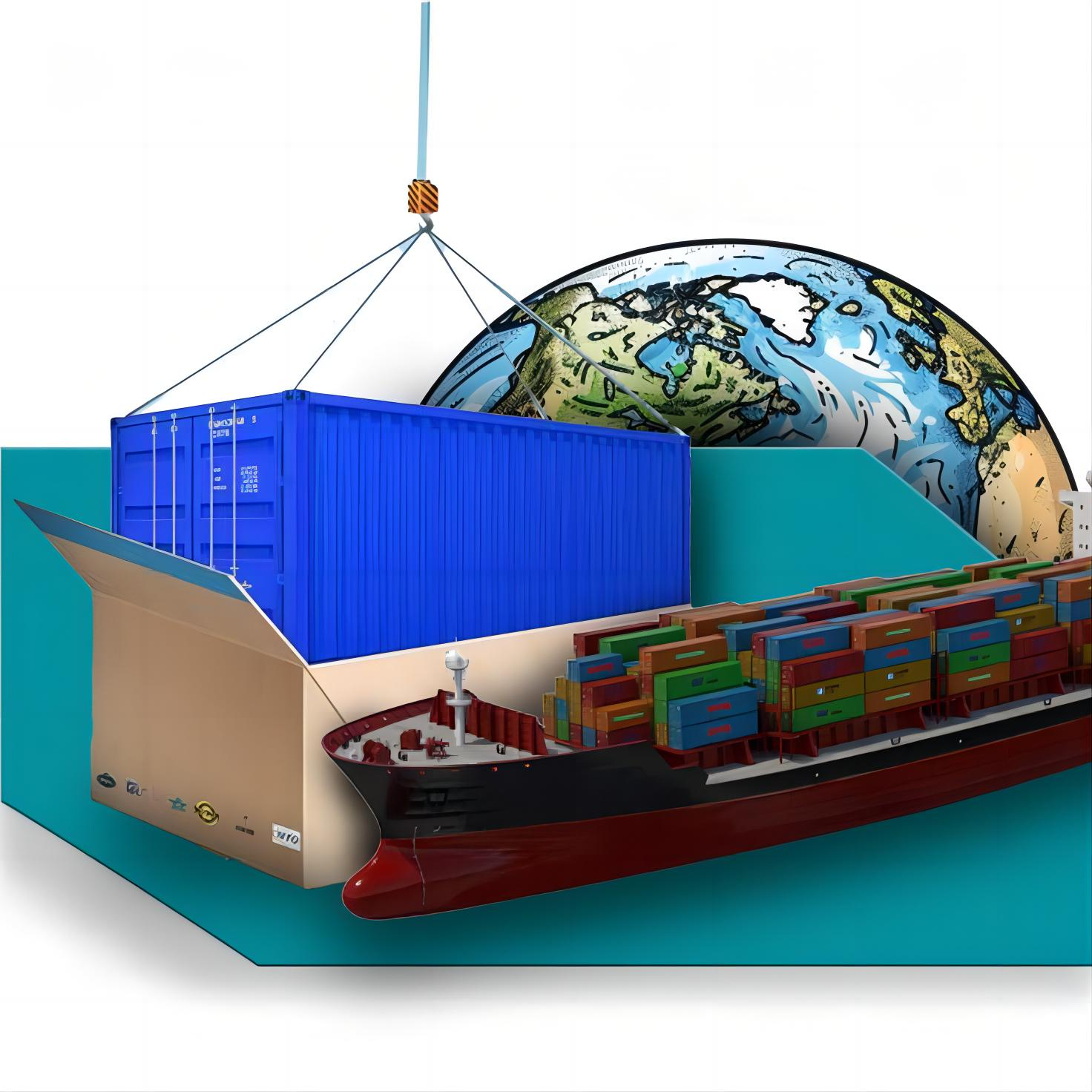
China Export Logistics Company Local Warehouse: 2026 Efficiency Guide
Optimizing global trade operations requires a sophisticated approach to inventory management and shipping. Partnering with a professional team like Logistics From China allows businesses to streamline their entire supply chain from the point of origin. Utilizing a china export logistics company local warehouse provides a centralized hub where goods are inspected, consolidated, and prepared for international transit. This strategy effectively reduces lead times and minimizes the risk of damage during the initial stages of export.
Why Choose a China Export Logistics Company Local Warehouse?
Efficiency defines the current landscape of international trade in 2026. Manufacturers often focus solely on production, leaving the complexities of export preparation to the buyer. By utilizing a china export logistics company local warehouse, you gain immediate control over your inventory before it leaves the country.
Moreover, these facilities allow for comprehensive quality control checks. Instead of discovering defects after a shipment arrives in Europe or North America, you can identify issues at the source. This proactive approach saves significant capital and prevents customer dissatisfaction.
Consequently, businesses can consolidate orders from multiple suppliers into a single shipment. For those using sea freight, this consolidation often means the difference between paying for a half-empty container and maximizing every cubic meter of space.
Additionally, local storage provides a vital buffer against manufacturing delays. If one supplier is late, the rest of your order remains secure in a climate-controlled environment until the final pieces arrive.
How Does China Export Logistics Company Local Warehouse Integration Improve Speed?
Speed remains a critical competitive advantage for e-commerce and retail sectors. Modern warehouses in logistics hubs like Shenzhen or Ningbo use advanced automation to sort and label goods within hours of arrival. This rapid processing ensures that your cargo is ready for the next available vessel or flight.
Furthermore, integrating warehouse data with your inventory management system provides real-time visibility. You can track exactly when goods arrive from the factory and when they are dispatched for export. This transparency allows for more accurate forecasting and better communication with your end customers.
Choosing air freight for urgent shipments becomes even more effective when the warehouse is located near major international airports. The reduction in domestic transit time can save up to 48 hours in the total delivery cycle.
Notably, the proximity of these warehouses to major ports reduces the risk of missing booking windows. Logistics providers can move cargo from storage to the terminal in a matter of hours, ensuring your goods are loaded onto the scheduled carrier without delay.
What Are the Cost Benefits of Using a Local Warehouse in China?
Cost reduction is a primary driver for adopting localized warehousing strategies. Storing goods in China is generally more affordable than maintaining large inventories in destination countries like the USA or UK. This allows businesses to hold larger stock volumes without incurring massive overhead costs.
Specifically, labor costs for value-added services such as kitting, bundling, and re-labeling are significantly lower in China. Performing these tasks at the warehouse before export ensures that products are retail-ready upon arrival. This eliminates the need for expensive secondary processing at the destination.
In addition, optimized consolidation reduces the total number of shipments. By combining several LCL shipments into one FCL shipment at the local warehouse, companies can save up to 30 percent on ocean freight costs. This strategy also reduces the fixed costs associated with customs entries and port fees.
Furthermore, many logistics companies offer flexible storage terms. Instead of long-term leases, you can pay for the space you use on a monthly or even weekly basis. This flexibility is essential for managing seasonal fluctuations in demand during peak periods in 2026.
How Does China Export Logistics Company Local Warehouse Compare to Other Shipping Options?
Understanding the differences between shipping strategies is vital for selecting the right model. Traditional direct shipping from a factory often lacks the oversight and flexibility provided by a warehouse-centric model. While direct shipping might seem simpler, it often leads to higher long-term costs due to inefficiencies.
In contrast, a warehouse-based model allows for a hybrid approach. You can ship high-demand items via air and bulk stock via sea from the same central hub. This balanced strategy ensures you meet immediate market needs while maintaining a low average landed cost.
Market data suggests that as of early 2026, businesses using local consolidation hubs have seen a 15 percent reduction in total logistics spend compared to those using factory-direct methods. This is largely due to better container utilization and reduced destination handling fees.
| Shipping Method | Cost Range | Transit Time | Best For |
|---|---|---|---|
| Sea Freight (FCL) | $2,800 – $4,500 | 25-40 Days | Bulk Inventory |
| Air Freight | $5.50 – $9.00/kg | 3-7 Days | High-Value Goods |
| Rail Freight | $1.50 – $2.50/kg | 18-22 Days | Mid-range Budget |
| Express Service | $8.00 – $12.00/kg | 2-4 Days | Urgent Samples |
Which Option Should You Choose?
Choosing the right logistics path depends on several variables including budget, urgency, and product type. If your primary goal is budget priority, we recommend utilizing sea freight combined with a 14-day storage window at a local warehouse. This allows for maximum consolidation and the lowest possible per-unit cost.
Speed priority dictates a different approach. For urgent replenishment, air freight remains the gold standard, especially when paired with a warehouse that offers 24-hour cross-docking services. This ensures that goods are transferred from the factory truck to the airplane pallet with minimal dwell time.
Cargo type considerations also play a role. Fragile or high-value electronics benefit from the extra layer of security and specialized handling equipment found in modern export warehouses. Meanwhile, heavy machinery is best suited for direct port delivery to minimize domestic handling risks.
Volume thresholds are the final piece of the puzzle. Once your monthly volume exceeds 15 CBM, switching from LCL to a dedicated 20GP container managed through a local warehouse becomes significantly more economical.
Streamlining Customs Through Local Warehousing
Customs compliance is a major hurdle in international trade. A china export logistics company local warehouse often employs an in-house Customs Brokerage team to verify documentation before the cargo reaches the port. This early intervention prevents costly delays and potential fines.
Indeed, having your paperwork reviewed by experts ensures that HS codes are classified correctly. Incorrect classification is one of the leading causes of customs inspections and shipment seizures. By resolving these issues at the warehouse, you ensure a smooth exit from China and a faster entry into your home market.
Consequently, the use of door to door services becomes much more reliable. When the logistics provider handles both the warehousing and the customs clearance, they maintain a continuous chain of custody. This accountability reduces the likelihood of documentation errors between different service providers.
Additionally, warehouses in Free Trade Zones (FTZ) offer unique tax advantages. Goods stored in these zones are often exempt from certain duties until they are officially exported, providing a significant cash flow benefit for large-scale importers.
Managing Inventory with a China Export Logistics Company Local Warehouse
Inventory management is the backbone of any successful export business. Modern warehouses provide sophisticated WMS (Warehouse Management System) access to their clients. This allows you to monitor stock levels in real-time and set automated alerts for low inventory.
Furthermore, for businesses selling on platforms like Amazon, using a local warehouse is a game-changer. You can store bulk inventory in China and drip-feed shipments to Amazon FBA centers as needed. This strategy avoids the high long-term storage fees charged by Amazon in destination countries.
Specifically, this model allows you to react quickly to market trends. If a particular product suddenly goes viral, you can shift your shipping method from sea to air for the remaining stock held in your China warehouse. This agility is nearly impossible to achieve if your stock is already in transit on a slow-moving vessel.
Ultimately, the goal is to create a seamless link between production and sales. A local warehouse acts as the bridge that ensures your supply chain remains resilient against global disruptions and market volatility.
Case Study 1: Electronics Consolidation for European Retail
Case Study 1: Smart Home Device Distribution
Route: Shenzhen, China to Rotterdam, Netherlands
Cargo: Smart thermostats and sensors, 12 CBM, 2800 kg
Container: LCL consolidated into 40HQ
Shipping Details:
– Carrier: Maersk
– Port of Loading: Shenzhen
– Port of Discharge: Rotterdam
– Route Type: Direct
Cost Breakdown:
– Ocean Freight: $1,450
– Origin Charges: $320
– Destination Charges: $450
– Customs and Duties: $800
– Total Landed Cost: $3,020
Timeline:
– Booking to Loading: 4 days
– Sea Transit: 32 days
– Customs Clearance: 3 days
– Total Door-to-Door: 39 days
Key Insight: Using a local warehouse allowed the client to combine three different factory orders into one shipment, saving 22 percent on total logistics costs compared to individual LCL shipments. Based on Q1 2026 market rates.
Case Study 2: Fast Fashion Apparel to the United States
Case Study 2: Seasonal Clothing Launch
Route: Ningbo, China to Los Angeles, USA
Cargo: Summer apparel collection, 25 CBM, 5500 kg
Container: 20GP Full Container
Shipping Details:
– Carrier: COSCO
– Port of Loading: Ningbo
– Port of Discharge: Los Angeles
– Route Type: Direct
Cost Breakdown:
– Ocean Freight: $2,100
– Origin Charges: $280
– Destination Charges: $550
– Customs and Duties: $1,200
– Total Landed Cost: $4,130
Timeline:
– Booking to Loading: 3 days
– Sea Transit: 16 days
– Customs Clearance: 2 days
– Total Door-to-Door: 21 days
Key Insight: The client utilized the warehouse for final quality inspection and re-labeling, preventing 150 defective units from being shipped. Typical rates as of early 2026.
Market Intelligence and 2026 Logistics Trends
As of Q1 2026, freight rates from China have stabilized following the disruptions of previous years. However, port congestion remains a periodic challenge in major hubs. Businesses are increasingly turning to local warehouses to hold stock near the port, allowing them to jump on the first available vessel space when it opens up.
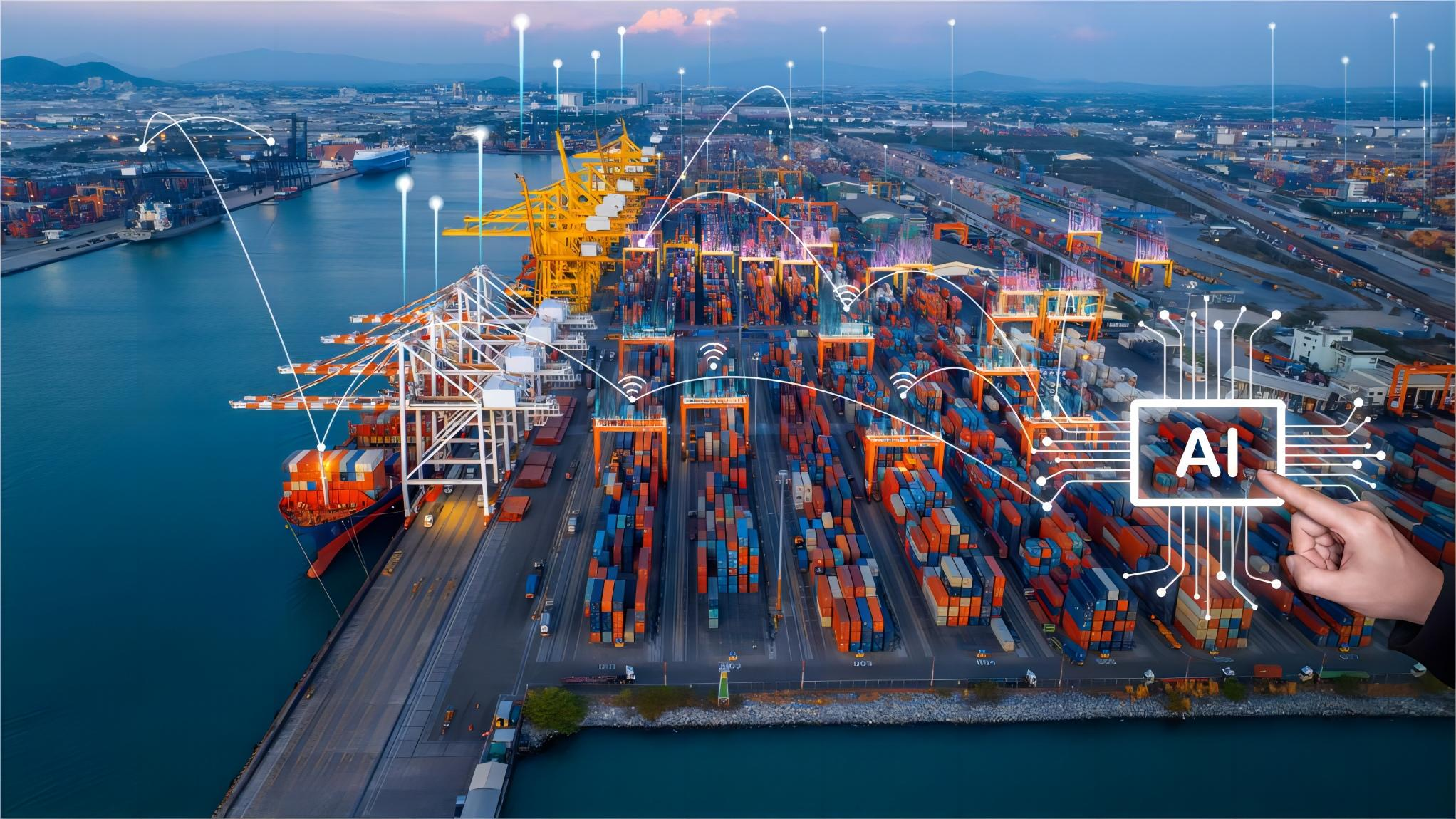
Moreover, the integration of AI in warehouse management is becoming standard. Predictive analytics now help logistics companies suggest the best time to ship based on historical data and current port performance. This technology-driven approach minimizes the time cargo spends sitting idle.
Note: Freight rates are subject to change based on fuel costs, carrier capacity, and seasonal demand. Contact us for a current quote tailored to your specific shipment.
The Strategic Value of Local Warehousing
Successfully navigating the world of international trade requires more than just moving goods from point A to point B. It requires a strategic foundation built on efficiency, visibility, and cost-control. A china export logistics company local warehouse provides that foundation by offering a centralized point for quality control, consolidation, and expert documentation.
Ultimately, the benefits of localized warehousing extend far beyond simple storage. By reducing transit times, lowering labor costs for processing, and providing a buffer against supply chain volatility, these facilities empower businesses to scale globally with confidence. As we move through 2026, the integration of local logistics hubs will remain a defining characteristic of successful import-export operations.

Need a tailored shipping solution?
Take control of your supply chain today by partnering with an experienced china export logistics company local warehouse provider. Our team at Logistics From China is ready to help you optimize your shipping strategy and reduce your landed costs. Visit our website to request a personalized quote or learn more about our comprehensive warehousing and distribution services. Visit https://logisticsfromchina.com/ to start your journey toward seamless global trade. Send Inquiry: info@logisticsfromchina.com