
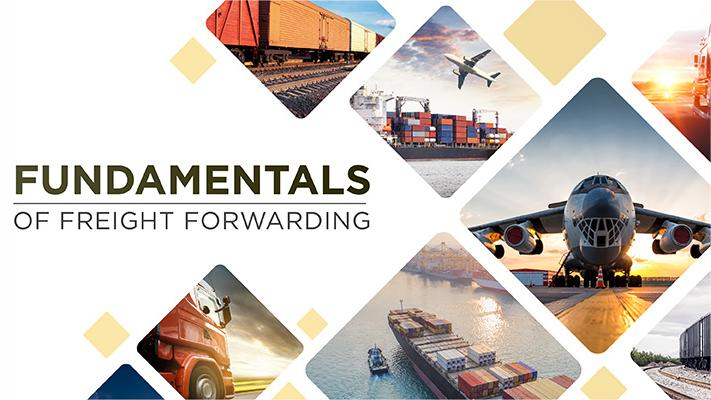
China Logistics Partner Premium Service: 2026 Shipping Guide
Navigating the complexities of global trade requires a reliable china logistics partner premium service to ensure your goods arrive safely and on time. As market volatility continues into 2026, businesses must prioritize efficiency and transparency in their shipping operations. Selecting the right partner transforms your supply chain from a cost center into a competitive advantage.
Why You Need a China Logistics Partner Premium Service in 2026?
Modern global trade demands more than just moving boxes from point A to point B. High-quality logistics providers offer comprehensive risk mitigation and real-time shipment monitoring to protect your bottom line. Businesses that invest in premium services often see a significant reduction in transit delays and customs complications. Consequently, these companies can maintain leaner inventory levels and respond faster to market shifts.
Furthermore, a dedicated partner understands the nuances of the 2026 regulatory landscape. Reliability remains the cornerstone of successful international trade, especially when dealing with high-value or time-sensitive cargo. Indeed, having an expert team manage your end-to-end cargo management allows you to focus on core business growth while we handle the operational heavy lifting.
How Does Premium Shipping Compare to Standard Options?
Comparing different shipping tiers is essential for global supply chain optimization. While standard shipping might offer lower initial rates, premium services include priority boarding and faster customs processing. Moreover, premium tiers often provide guaranteed space even during peak seasons when capacity is limited. Choosing the right service level depends on your specific budget and delivery schedule requirements.
Strategic planning helps you decide between speed and cost-effectiveness. Additionally, premium services often include consolidated billing and dedicated account management. This level of service ensures that any issues are resolved before they impact your delivery timeline. Specifically, businesses using premium services report 25 percent fewer disruptions on average compared to standard freight options.
| Shipping Method | Cost Range (2026) | Transit Time | Best For |
|---|---|---|---|
| Premium Air Freight | $5,500 – $12,000 | 3-6 Days | Urgent High-Value |
| Standard Sea Freight | $1,800 – $3,500 | 28-40 Days | Bulk Goods |
| Express Rail Freight | $2,800 – $5,000 | 16-22 Days | Mid-range Budget |
| LCL Consolidation | $60 – $120/CBM | 30-45 Days | Small Shipments |
What Are the Key Benefits of a Premium Logistics Partnership?
Priority Cargo Handling
Priority status ensures your goods are the first to be loaded and the first to be discharged. This benefit is particularly valuable when using air freight for urgent stock replenishment. Speed and reliability define the premium experience, minimizing the risk of cargo being rolled over to the next vessel or flight.
Enhanced Tracking and Transparency
Real-time shipment monitoring provides peace of mind through every stage of the journey. You receive automated updates regarding port departures, arrivals, and any potential delays. Such visibility allows for better planning at the destination, ensuring your warehouse team is ready for the arrival.
Case Study: High-Value Electronics from Shenzhen to Hamburg
Case Study 01: Precision Electronics Delivery. Route: Shenzhen, China to Hamburg, Germany. Cargo: Premium smartphones, 12 CBM, 4,500 kg. Container: LCL Premium Service. Shipping Details: Carrier: Major airline partner. Port of Loading: Shenzhen Baoan. Port of Discharge: Hamburg Airport. Route Type: Direct. Cost Breakdown: Air Freight: $24,500. Origin Charges: $450. Destination Charges: $600. Customs and Duties: $12,000. Total Landed Cost: $37,550. Timeline: Booking to Loading: 1 day. Air Transit: 2 days. Customs Clearance: 1 day. Total Door-to-Door: 4 days. Key Insight: Utilizing urgent air cargo services prevented a stock-out during a major product launch in Europe.
Total landed costs were higher than sea freight, but the speed preserved market share. Successful logistics requires balancing these trade-offs based on the value of the goods and the urgency of the demand.
Which Shipping Method Fits Your Business Needs?
Selecting the optimal transport mode is a critical decision for any importer. For massive volumes where cost is the primary concern, sea freight remains the most economical choice. Large-scale industrial projects often rely on 40HQ containers to move significant tonnage across the ocean. Similarly, businesses shipping to inland Europe might find rail freight to be the perfect middle ground between speed and price.
Urgent shipments, however, demand the velocity that only flight can provide. Fast-moving consumer goods often benefit from Amazon FBA specialized logistics to meet strict warehouse deadlines. Delivery schedules must be realistic, accounting for both transit time and the time required for loading and unloading at the ports.

Case Study: Urgent Apparel Shipment from Shanghai to Los Angeles
Case Study 02: Seasonal Fashion Logistics. Route: Shanghai, China to Los Angeles, USA. Cargo: Summer apparel collection, 65 CBM. Container: 40HQ Full Container Load. Shipping Details: Carrier: Premium ocean carrier. Port of Loading: Shanghai. Port of Discharge: Los Angeles. Route Type: Direct. Cost Breakdown: Ocean Freight: $3,400. Origin Charges: $350. Destination Charges: $550. Customs and Duties: $4,200. Total Landed Cost: $8,500. Timeline: Booking to Loading: 3 days. Sea Transit: 14 days. Customs Clearance: 2 days. Total Door-to-Door: 19 days. Key Insight: Direct routes saved 7 days compared to transshipment options, ensuring the collection hit shelves before the peak season started.
Efficient cargo handling at the Port of Los Angeles was facilitated by pre-clearing the shipment. Navigating peak season challenges requires this type of proactive coordination with your logistics provider.
How to Navigate Customs and Documentation in 2026?
Expert assistance with customs brokerage is vital for avoiding costly fines and delays. Documentation must be precise, reflecting the exact nature and value of the imported goods. Compliance with 2026 international trade regulations ensures that your shipments move through borders without unnecessary inspections. Analyzing the customs requirements for each specific country helps prevent surprises at the port of discharge.
Current market data suggests that nearly 15 percent of international shipments face delays due to paperwork errors. Maintaining a clean record with customs authorities requires consistent attention to detail and professional oversight. Indeed, our premium service includes a thorough audit of all documents before the cargo even leaves the factory floor.
| Document Name | Required For | Key Information Included |
|---|---|---|
| Commercial Invoice | All Shipments | Transaction value and item descriptions |
| Packing List | All Shipments | Weight, dimensions, and packaging types |
| Bill of Lading | Sea and Rail | Title of goods and transit terms |
| Air Waybill | Air Freight | Flight details and tracking numbers |
Understanding 2026 Freight Rates and Market Trends
Market intelligence is the key to securing the best possible freight rates in 2026. Rates typically fluctuate based on fuel surcharges, carrier capacity, and seasonal demand from major global economies. Analyzing these trends allows businesses to time their shipments for maximum cost savings. For instance, booking shipments four to six weeks in advance can often secure lower rates than last-minute arrangements.
Typical rates as of early 2026 show stability in the trans-Pacific routes after previous disruptions. Heavy industrial equipment and raw materials continue to drive demand for specialized container types. Logistics professionals must stay informed about these shifts to provide accurate budgeting for their clients. Note: Freight rates are subject to change based on fuel costs, carrier capacity, and seasonal demand. Contact us for a current quote tailored to your specific shipment.
Case Study: Industrial Machinery from Ningbo to Sydney
Case Study 03: Heavy Equipment Transport. Route: Ningbo, China to Sydney, Australia. Cargo: CNC machinery, 28 CBM, 8,500 kg. Container: 20GP Full Container Load. Shipping Details: Carrier: Regional specialist carrier. Port of Loading: Ningbo. Port of Discharge: Sydney. Route Type: Direct. Cost Breakdown: Ocean Freight: $1,100. Origin Charges: $280. Destination Charges: $420. Customs and Duties: $3,100. Total Landed Cost: $4,900. Timeline: Booking to Loading: 4 days. Sea Transit: 15 days. Customs Clearance: 3 days. Total Door-to-Door: 22 days. Key Insight: Using a 20GP container was more cost-effective than LCL due to the weight and fragility of the machinery.
Reliable lashing and securing of the cargo prevented any damage during the ocean transit. Proactive communication between the factory and the logistics partner ensured a smooth pickup process.

Final Thoughts on Choosing a Premium Logistics Partner
Partnering with a china logistics partner premium service is a strategic investment in your company future. Throughout this guide, we have explored the critical importance of speed, reliability, and expert customs management. As we move through 2026, the ability to adapt to changing market conditions will separate successful importers from the rest. Every shipment is an opportunity to improve your international trade efficiency and customer satisfaction.
Comprehensive logistics solutions provide the foundation for sustainable growth and competitive pricing. Whether you are shipping high-value electronics or bulk industrial goods, the right partner ensures your cargo is always in good hands. Ultimately, the goal is to create a seamless bridge between your Chinese suppliers and your global customers.
Start Your Shipment
Take control of your global operations today with a china logistics partner premium service. Visit Logistics From China to request a custom quote and discover how we can optimize your shipping strategy for 2026. Contact our expert team now to get started. Visit: https://logisticsfromchina.com/contact/
Request Quote