
China Import Logistics Company: The Ultimate 2026 Shipping Guide
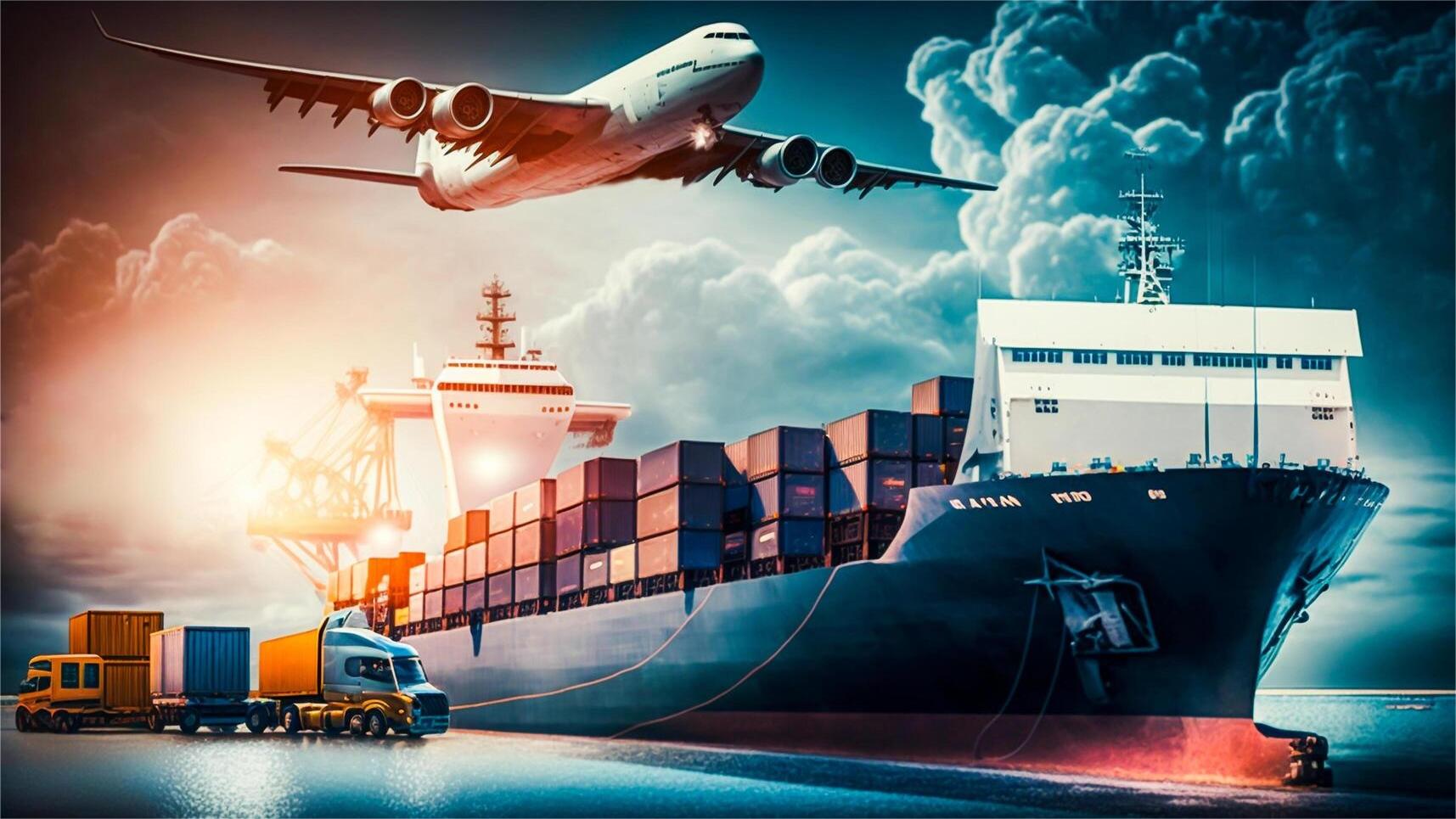
Navigating the complexities of international trade requires a reliable partner to ensure your goods arrive safely and on schedule. A professional china import logistics company like Logistics From China simplifies the entire process by managing every detail from the factory floor to your final destination. In the current 2026 market, businesses face unique challenges ranging from fluctuating fuel costs to shifting port capacities. Consequently, selecting a partner that understands the nuances of global trade is more important than ever for maintaining a competitive edge. This guide provides a comprehensive overview of how to optimize your imports, reduce overall costs, and choose the best shipping methods for your specific business needs.
What Does a China Import Logistics Company Do?
Understanding the primary functions of a logistics provider is essential for any business importing goods from Asia. Essentially, these companies act as intermediaries between the manufacturer and the final buyer, handling the physical movement of cargo and the necessary paperwork. They coordinate with carriers, manage warehouse storage, and ensure that all shipments comply with international regulations. Moreover, they provide valuable insights into the most efficient routes and methods to save you time and money.
Professional logistics providers offer a suite of services that cover the entire supply chain lifecycle. For instance, they handle cargo insurance, track shipments in real-time, and manage the consolidation of smaller orders into full containers. By leveraging their established relationships with major shipping lines, they can often secure better freight rates than individual businesses could on their own. Additionally, they provide expert advice on packaging and labeling to prevent damage and delays during transit.
Reliable partners also stay ahead of market trends to protect their clients from unexpected disruptions. In 2026, this includes monitoring geopolitical shifts and environmental regulations that might impact shipping lanes or fuel surcharges. Consequently, they can suggest alternative ports or modes of transport before a problem becomes a crisis. Their goal is to create a seamless flow of goods that allows you to focus on growing your business rather than worrying about transport logistics.
Key Services Offered by Modern Logistics Providers
Selecting the right transport mode is a critical decision that impacts both your budget and your delivery timeline. Most businesses rely on sea freight for large, heavy shipments because it offers the lowest cost per unit. This method is particularly suitable for bulky items like furniture, machinery, or large quantities of consumer goods. Furthermore, sea transport has become more sustainable in 2026 with the introduction of eco-friendly container vessels.
On the other hand, air freight remains the preferred choice for high-value or time-sensitive products. While it is significantly more expensive than ocean transport, it reduces transit time from weeks to just a few days. This speed is vital for industries like electronics or fashion where market trends change rapidly. Additionally, air transport offers higher security levels and a lower risk of damage for fragile items.
Many companies also provide value-added services such as quality inspections and factory audits. These steps ensure that the products you receive meet your specifications before they even leave China. By catching defects early, you avoid the high costs of returning goods or dealing with customer complaints. Meanwhile, sophisticated tracking systems allow you to monitor your cargo’s progress every step of the way, providing peace of mind and better inventory management.
How Does Sea Freight Compare to Other Shipping Options?
Comparing different shipping methods requires a clear understanding of the trade-offs between cost and speed. While sea freight is the most economical, it is also the slowest, often taking 30 to 45 days to reach distant ports. In contrast, rail freight offers a middle ground for shipments to Europe, providing faster transit than sea but at a lower cost than air. Therefore, businesses must evaluate their specific priorities for each shipment to determine the best fit.
Furthermore, express courier services are ideal for very small parcels or urgent documents. These services provide door-to-door delivery with minimal paperwork required from the importer. However, the cost per kilogram is the highest among all shipping methods, making it unsustainable for large volumes. Consequently, most growing businesses transition to LCL or FCL sea shipping as their order sizes increase to optimize their profit margins.
The following table provides a detailed comparison of the primary shipping methods available in 2026 based on industry averages.
| Shipping Method | Cost Range | Transit Time | Best For |
|---|---|---|---|
| Sea Freight (FCL) | Low ($2,500 – $5,000) | 25 – 45 Days | Large volumes, heavy cargo |
| Air Freight | High ($5 – $12 per kg) | 3 – 7 Days | Urgent, high-value goods |
| Rail Freight | Medium ($150 – $300/CBM) | 15 – 22 Days | China to Europe land routes |
| Express Service | Very High ($8 – $15/kg) | 2 – 5 Days | Samples, small parcels |
Decision Framework: Which Option Should You Choose?
Choosing the right method depends on several factors including your budget, the nature of your cargo, and your customer’s expectations. If your primary goal is to minimize costs and you have a flexible schedule, sea freight is undoubtedly the best option. This is especially true for non-perishable items that can withstand longer transit times. On the contrary, if you are launching a new product or replenishing low stock, the speed of air freight justifies the higher expense.
Cargo type also plays a significant role in the decision process. Hazardous materials or extremely heavy machinery may have restricted options or require specialized handling that only certain carriers provide. For instance, lithium batteries often face strict regulations when shipped by air, making sea or rail more practical. Additionally, consider the volume of your shipment; LCL shipping is perfect for smaller loads, while FCL is more cost-effective once you reach about 15 cubic meters.
Hybrid solutions are gaining popularity in 2026 as a way to balance cost and speed. For example, sea-air combinations involve shipping goods by sea to a hub like Dubai or Singapore and then flying them to the final destination. This approach can save up to 40% in costs compared to pure air freight while being twice as fast as pure sea freight. Consequently, savvy importers work with their logistics company to design customized routes that maximize efficiency.
Standard Shipping Costs and Transit Times in 2026
Freight rates are influenced by a variety of market factors including fuel prices, seasonal demand, and carrier capacity. During the peak season from August to October, rates typically increase by 15% to 25% as retailers prepare for the holiday rush. Therefore, planning your shipments well in advance can lead to significant savings. In 2026, we have seen a stabilization of rates after the disruptions of previous years, but volatility remains a factor.
Transit times also vary based on the specific port of loading and discharge. Shipments from Shenzhen to the US West Coast are generally faster than those going to the East Coast via the Panama Canal. Similarly, direct routes to major European ports like Rotterdam or Hamburg are quicker than transshipment routes involving multiple stops. Meanwhile, port congestion can occasionally add several days to the estimated arrival time, so it is wise to build a buffer into your schedule.
The table below outlines typical rates and transit times for major global routes as of early 2026.
| Route | 20GP Container | 40HQ Container | Transit Time |
|---|---|---|---|
| China to USA West | $1,600 – $2,300 | $2,900 – $3,900 | 14 – 18 Days |
| China to USA East | $2,600 – $3,600 | $4,600 – $6,100 | 30 – 35 Days |
| China to Europe | $1,900 – $2,600 | $3,100 – $4,300 | 28 – 35 Days |
| China to Australia | $900 – $1,300 | $1,500 – $2,100 | 12 – 18 Days |
Essential Customs Documentation and Compliance
Navigating the legal requirements of international trade is often the most challenging part of the import process. Every shipment must be accompanied by a set of mandatory documents including the commercial invoice, packing list, and bill of lading. Failure to provide accurate information can lead to heavy fines, cargo seizures, or lengthy delays at the border. Consequently, many businesses hire a customs brokerage service to ensure full compliance with local laws.
In addition to standard paperwork, certain products require specialized certificates. For example, electronics may need CE or FCC certification, while food products require health certificates. Your logistics partner should verify these requirements before the goods leave the factory to prevent issues at the destination port. Furthermore, understanding the correct HS codes for your products is vital for calculating the accurate amount of duties and taxes owed to the government.
Modern customs processes in 2026 have become increasingly digital, allowing for faster clearance through electronic data interchange. However, physical inspections still occur, particularly for first-time importers or high-risk cargo categories. To minimize the risk of an audit, ensure that all labels are clear and that the physical contents of the shipment exactly match the descriptions on your paperwork. Indeed, meticulous attention to detail is the best defense against customs-related setbacks.
Specialized Shipping Solutions for Modern Businesses
E-commerce has transformed the logistics landscape, leading to the rise of specialized services like Amazon FBA shipping. This service involves delivering goods directly from Chinese factories to Amazon fulfillment centers, adhering to strict labeling and palletization rules. By using an experienced forwarder, you can avoid the hassle of managing inventory yourself and ensure your products are ready for Prime delivery. Additionally, these providers often offer bonded warehousing for tax-efficient storage.
For businesses that prefer a hands-off approach, door to door service is the ultimate convenience. This comprehensive solution covers everything from factory pickup and ocean transport to customs clearance and final delivery to your warehouse. While it may have a higher upfront cost, it saves significant time and reduces the risk of communication errors between multiple service providers. Moreover, it provides a single point of contact for your entire shipment, simplifying the management process.
Logistics providers also offer specialized handling for unique cargo types such as refrigerated goods or oversized equipment. Cold chain logistics ensure that temperature-sensitive items like pharmaceuticals or fresh produce remain in optimal condition throughout the journey. On the other hand, project cargo services manage the transport of massive components for construction or energy projects. Regardless of your industry, there is a logistics solution tailored to your specific operational requirements.
Real-World Case Studies for 2026 Shipments
Case Study 1: Electronics Distribution to USA. Route: Shenzhen to Los Angeles. Cargo: High-end consumer electronics, 12 CBM, 2,800 kg. Container: LCL. Shipping Details: Direct ocean freight via major carrier. Port of Loading: Shenzhen. Port of Discharge: Los Angeles. Cost Breakdown: Ocean freight $1,150; Origin charges $250; Destination charges $450; Customs and Duties $1,200; Total Landed Cost $3,050. Timeline: Booking to Loading 3 days; Sea Transit 15 days; Customs Clearance 2 days; Total Door-to-Door 20 days. Key Insight: Consolidating multiple small orders into one LCL shipment saved the client 30% compared to air freight.
Case Study 2: Textile Import to Europe. Route: Ningbo to Hamburg. Cargo: Organic cotton apparel, 68 CBM, 12,000 kg. Container: 40HQ. Shipping Details: Direct sea route via COSCO. Port of Loading: Ningbo. Port of Discharge: Hamburg. Cost Breakdown: Ocean freight $3,800; Origin charges $320; Destination charges $580; Customs and Duties $2,400; Total Landed Cost $7,100. Timeline: Booking to Loading 5 days; Sea Transit 32 days; Customs Clearance 3 days; Total Door-to-Door 40 days. Key Insight: Booking four weeks in advance secured a lower rate before the Q3 peak season price hike.
Case Study 3: Furniture Retail in Australia. Route: Guangzhou to Melbourne. Cargo: Luxury home furniture, 30 CBM, 5,500 kg. Container: 20GP. Shipping Details: Direct sea freight. Port of Loading: Guangzhou. Port of Discharge: Melbourne. Cost Breakdown: Ocean freight $1,250; Origin charges $280; Destination charges $420; Customs and Duties $950; Total Landed Cost $2,900. Timeline: Booking to Loading 4 days; Sea Transit 16 days; Customs Clearance 2 days; Total Door-to-Door 22 days. Key Insight: Using a specialized furniture loader prevented damage and optimized the 20GP container space perfectly.
Summary of Importing Success
Partnering with a professional china import logistics company is the most effective way to navigate the complexities of international trade in 2026. By understanding the differences between sea, air, and rail freight, you can make informed decisions that balance cost and speed. Furthermore, ensuring that your documentation is accurate and compliant will prevent unnecessary delays and expenses at customs.
Ultimately, the right logistics provider does more than just move boxes; they act as a strategic partner in your business growth. Whether you are shipping small parcels via express or managing large-scale FCL shipments, having expert support makes all the difference. Start optimizing your imports today to build a more resilient and profitable supply chain for the future.
Get Your Shipping Quote Today
Ready to streamline your supply chain with a trusted china import logistics company? Contact Logistics From China today for a personalized quote and expert guidance on your next shipment. Send Inquiry
Frequently Asked Questions
What is the cheapest way to ship from China in 2026?
Sea freight remains the most economical method for large shipments. For volumes over 15 CBM, FCL is typically cheaper than LCL. Planning ahead to avoid peak season surcharges can further reduce costs.
How long does it take to ship from China to the USA?
Transit times vary by method. Air freight takes 3-7 days, while sea freight to the West Coast takes 14-18 days. Shipping to the East Coast via the Panama Canal usually takes 30-35 days.
Do I need a customs broker for my imports?
While not legally mandatory in all cases, hiring a broker is highly recommended. They ensure all HS codes and documentation are correct, preventing costly fines and delays at the border.
What are the common documents required for importing?
The essential documents include the commercial invoice, packing list, and bill of lading. Depending on the product, you may also need a certificate of origin or specific safety certifications.
Can I ship directly from a factory to Amazon FBA?
Yes, specialized logistics companies offer direct-to-FBA services. They handle the necessary labeling, palletization, and customs clearance required by Amazon’s strict fulfillment standards.
How are freight rates calculated in 2026?
Rates are based on cargo weight or volume, fuel prices, and seasonal demand. Carriers also apply surcharges for port congestion or specific equipment needs like refrigerated containers.
What is the difference between FCL and LCL?
FCL means you rent an entire container for your goods. LCL involves sharing container space with other shippers, which is more cost-effective for smaller volumes under 15 CBM.
Is rail freight a viable option from China?
Rail freight is an excellent option for shipments to Europe and Central Asia. It is faster than sea freight and significantly cheaper than air freight, offering a great middle-ground solution.