
Shipping Products From China to USA: The Complete 2026 Logistics Guide
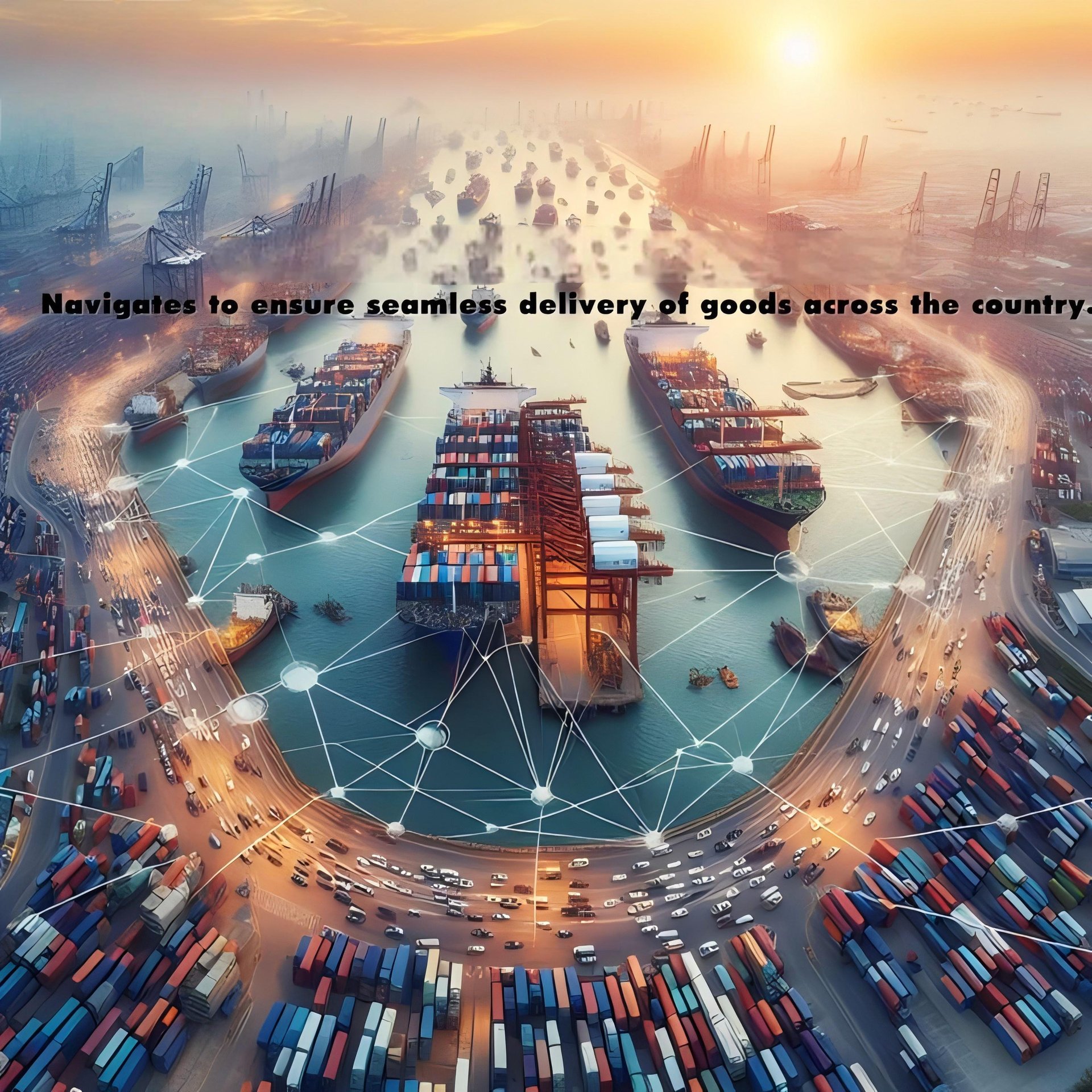
Navigating the complexities of shipping products from china to usa requires a strategic approach to logistics and supply chain management. Logistics From China provides the expertise needed to streamline your international trade operations efficiently. Consequently, businesses can focus on growth while we handle the intricate details of moving cargo across the Pacific. Understanding the nuances of global trade is essential for maintaining a competitive edge in the current market.

What is the Best Way of Shipping Products From China to USA?
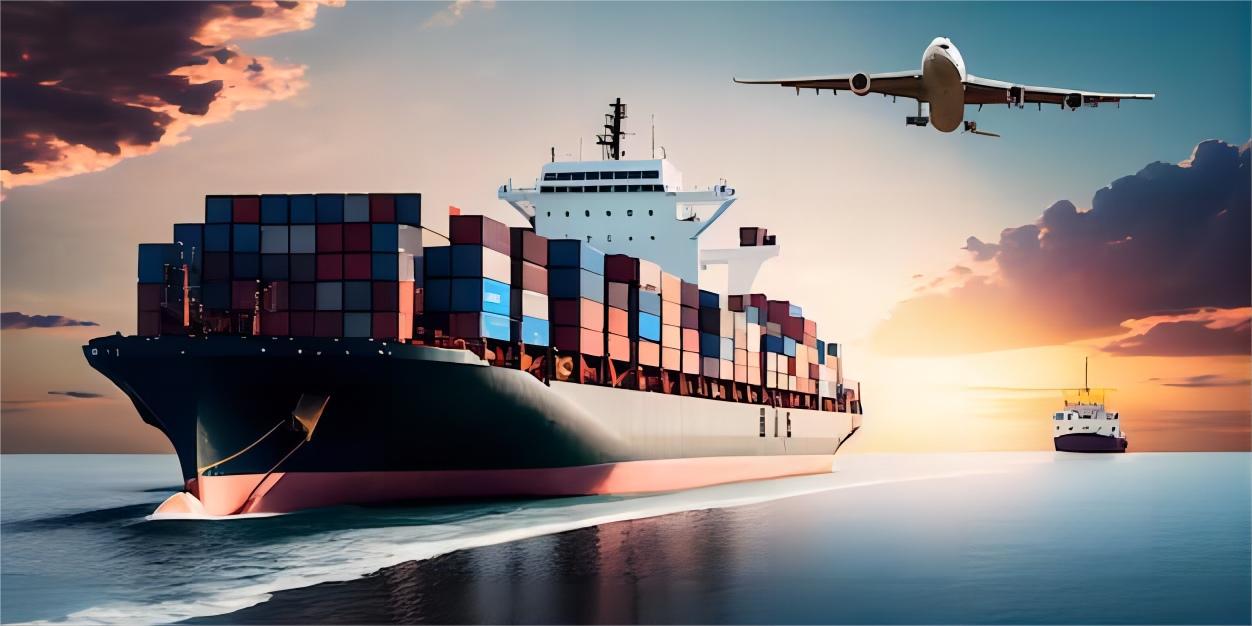
Choosing the most effective method for shipping products from china to usa depends heavily on your specific budget and timeline. For instance, importers often weigh the benefits of speed against the necessity of cost-saving measures. Ocean transit remains the backbone of global trade due to its ability to move massive volumes at a fraction of the cost of air travel. However, the extended transit times require meticulous planning to avoid stockouts in your domestic inventory.
Air transport offers an alternative for those prioritizing rapid delivery and high security for sensitive items. Furthermore, the 2026 logistics landscape has seen a rise in integrated solutions that combine different modes of transport to optimize the supply chain. Businesses must evaluate their cargo volume, weight, and value before committing to a specific carrier. Ultimately, the right choice balances these factors to ensure the sustainable movement of goods.
Strategic partnerships with experienced freight forwarders can significantly reduce the stress associated with international logistics. These professionals manage the complex documentation and communication required between various ports and agencies. Additionally, they provide insights into local regulations that might affect your delivery schedule. By leveraging expert knowledge, you can navigate the hurdles of cross-border commerce with greater confidence and reliability.
Key Factors Influencing Your Shipping Strategy
Market volatility and fuel prices are primary drivers of shipping costs in the current year. Moreover, seasonal demand peaks, such as the period leading up to the holiday season, can cause significant fluctuations in available capacity. Importers should also consider the geographic location of their suppliers in China relative to the major ports of departure. Consequently, choosing a port closer to the factory can reduce internal trucking costs and improve overall efficiency.
How Does Sea Freight Compare to Other Shipping Options?
Evaluating the efficiency of sea freight is essential for any business importing large quantities of goods. While it is generally the slowest method, its cost-effectiveness for bulk cargo is unmatched by air or express services. For example, moving a 40-foot container across the ocean is significantly cheaper per unit than sending individual boxes via a courier. On the other hand, air freight can deliver products in days rather than weeks, which is vital for high-demand electronics or fashion items.
Hybrid solutions have become more popular in 2026 as companies seek a middle ground between cost and speed. Sea-air combinations involve shipping goods by water to a hub like Dubai or Singapore and then flying them to the final destination in the USA. This approach often saves 30 percent in costs compared to pure air freight while being twice as fast as standard ocean transit. Nevertheless, the complexity of managing two different modes of transport requires a highly coordinated logistics provider.
Rail freight is not a viable direct option for the China-USA route due to the geographic barrier of the Pacific Ocean. Therefore, importers must focus their comparisons on ocean, air, and express services. Each method carries distinct advantages and limitations that must be aligned with the business’s operational goals. Detailed analysis of these options allows for a more robust and flexible supply chain strategy.
| Shipping Method | Cost Range | Transit Time | Best For |
|---|---|---|---|
| Sea Freight (FCL) | $3,000 – $6,000 | 18 – 35 Days | Bulk Inventory |
| Sea Freight (LCL) | $100 – $300/CBM | 25 – 45 Days | Small Shipments |
| Air Freight | $5 – $12 per kg | 3 – 7 Days | High-Value Goods |
| Express Service | $8 – $15 per kg | 2 – 5 Days | Samples/Urgent |
Which Option Should You Choose?
Deciding on a shipping method requires a clear understanding of your business priorities and the nature of your cargo. If budget is your primary concern and you have a long lead time, ocean transport is undoubtedly the best selection. Conversely, if you are launching a new product and need it in the hands of customers immediately, air transport justifies its higher price tag. Consider the volume of your shipment as well, since smaller loads might be better suited for courier services.
Cargo type also plays a significant role in the decision-making process. Perishable goods or high-security items often require the speed and climate-controlled environments provided by air freight. Meanwhile, durable goods like furniture or machinery are perfectly suited for the slower, more stable environment of a shipping container. Analyzing your product’s margin and sensitivity to time will guide you toward the most profitable logistics path.
Volume thresholds often dictate when it is time to switch from one method to another. For instance, once a shipment exceeds 15 cubic meters, it usually becomes more economical to book a full 20-foot container rather than using less-than-container load services. This transition point is crucial for scaling businesses to monitor as they grow their import volumes. By staying aware of these thresholds, you can optimize your landed costs and improve your bottom line.
Understanding Ocean Freight: FCL vs LCL
Full Container Load (FCL) refers to a shipment where the importer has exclusive use of an entire shipping container. This method is generally faster because the container does not need to be opened and sorted at various consolidation points. Additionally, the risk of damage or loss is lower since the goods remain sealed from the point of origin to the destination. Consequently, FCL is the preferred choice for businesses moving large quantities of inventory consistently.
Less than Container Load (LCL) allows multiple importers to share space within a single container. This is an ideal solution for smaller businesses that do not have enough volume to fill a whole unit. However, LCL shipments often take longer to arrive because they require extra time for consolidation and deconsolidation at the ports. Furthermore, the cost per cubic meter is usually higher than in an FCL arrangement due to the additional handling involved.
Navigating these two options requires a careful look at your current inventory needs and warehouse capacity. Many companies start with LCL to test the market before moving to FCL as their demand increases. Regardless of the choice, ensuring proper packaging is vital to protect your goods during the long sea voyage. Reliable logistics partners can help you determine the most cost-effective way to pack and ship your specific products.
Why Choose Air Freight for Urgent Cargo?
Urgency is the most common reason for selecting air transport when shipping products from china to usa. In a fast-paced retail environment, being out of stock for even a few days can result in significant lost revenue. Therefore, air freight acts as a vital safety net for maintaining product availability during unexpected spikes in demand. It also reduces the need for large domestic warehouses, as inventory can be replenished quickly from overseas factories.
Security and handling are additional benefits that come with air transportation. Because goods spend less time in transit and are handled in more controlled environments, the likelihood of theft or damage is greatly reduced. For high-value electronics or luxury items, this peace of mind often outweighs the higher transportation costs. Moreover, the streamlined customs processes at airports can lead to faster clearance compared to busy sea ports.
Environmental considerations are also becoming a factor for some businesses in 2026. While air transport has a higher carbon footprint, some companies use it strategically for high-margin items while relying on sea freight for the bulk of their operations. Balancing these methods allows for a more flexible and responsive supply chain. Efficiently managing your air shipments can provide a significant competitive advantage in time-sensitive markets.

How to Calculate Total Shipping Costs in 2026?
Determining the total landed cost of your products involves much more than just the base freight rate. You must account for insurance, port charges, trucking fees, and customs duties to get an accurate picture of your expenses. For example, origin charges in China often include documentation fees and export clearances that can add several hundred dollars to the bill. In addition, destination charges in the USA, such as terminal handling and delivery to your warehouse, must be factored into the final calculation.
Customs duties and taxes are often the most variable part of the shipping equation. These costs depend on the HTS code of your products and any current trade agreements or tariffs between China and the USA. Utilizing a professional customs brokerage service can help you classify your goods correctly and avoid overpaying. They can also identify potential duty drawback programs or exemptions that could save your business significant money.
Market data suggests that freight rates in early 2026 have remained relatively stable compared to the volatility of previous years. However, fuel surcharges and seasonal demand can still cause prices to shift without much notice. Therefore, it is always recommended to get a current quote tailored to your specific shipment details. Maintaining a small buffer in your logistics budget will help you manage these minor price fluctuations without impacting your retail pricing.
| Route | 20GP Container | 40HQ Container | Transit Time |
|---|---|---|---|
| Shenzhen to Los Angeles | $2,100 – $2,800 | $3,200 – $4,200 | 14 – 18 Days |
| Shanghai to New York | $3,400 – $4,500 | $5,100 – $6,500 | 30 – 35 Days |
| Ningbo to Savannah | $3,200 – $4,200 | $4,800 – $6,200 | 28 – 32 Days |
| Qingdao to Seattle | $2,300 – $3,000 | $3,500 – $4,600 | 16 – 20 Days |
What Are the Customs Requirements for US Imports?
Compliance with US Customs and Border Protection (CBP) regulations is mandatory for anyone shipping products from china to usa. Missing or incorrect documentation can lead to costly delays, fines, or even the seizure of your cargo. The most critical documents include the commercial invoice, packing list, and bill of lading. Additionally, an ISF (Importer Security Filing) must be submitted at least 24 hours before the vessel departs from the Chinese port.
Proper classification of your goods using the Harmonized Tariff Schedule (HTS) is the foundation of a smooth customs entry. Each product category has a specific duty rate, and misclassification is a common cause of customs audits. Furthermore, some products may require additional permits from agencies like the FDA or EPA, depending on their intended use. Working with experts ensures that all legal requirements are met before your goods arrive at the border.
Bonding is another requirement for commercial imports into the United States. You must have either a single-entry bond or a continuous bond to guarantee that all duties and taxes will be paid to the government. Continuous bonds are generally more cost-effective for businesses that plan to import multiple times throughout the year. Consequently, setting up your bond early in the process will prevent administrative bottlenecks when your shipment arrives.
Realistic Case Studies for 2026
Case Study 1: Electronics Distribution to Los Angeles. Route: Shenzhen, China to Los Angeles, USA. Cargo: Consumer Electronics, 28 CBM, 6500 kg. Container: 40GP. Shipping Details: Carrier: Major ocean carrier, Port of Loading: Shenzhen, Port of Discharge: Los Angeles, Route Type: Direct. Cost Breakdown: Ocean Freight: $3,450, Origin Charges: $450, Destination Charges: $600, Customs and Duties: $1,200, Total Landed Cost: $5,700. Timeline: Booking to Loading: 4 days, Sea Transit: 15 days, Customs Clearance: 2 days, Total Door-to-Door: 25 days. Key Insight: Using a direct route saved 6 days compared to transshipment options, ensuring the product launch stayed on schedule.
Case Study 2: Apparel Import for New York Boutique. Route: Shanghai, China to New York, USA. Cargo: High-end Apparel, 5 CBM, 1200 kg. Shipping Method: Air Freight. Shipping Details: Carrier: Commercial air cargo, Port of Loading: Shanghai Pudong, Port of Discharge: JFK International, Route Type: Direct. Cost Breakdown: Air Freight: $7,200, Origin Charges: $300, Destination Charges: $400, Customs and Duties: $2,500, Total Landed Cost: $10,400. Timeline: Booking to Loading: 2 days, Air Transit: 2 days, Customs Clearance: 1 day, Total Door-to-Door: 7 days. Key Insight: While expensive, the speed allowed the boutique to capitalize on a viral fashion trend before demand faded.
Case Study 3: Furniture Wholesale to Savannah. Route: Ningbo, China to Savannah, USA. Cargo: Wooden Furniture, 12 CBM, 3000 kg. Shipping Method: LCL Sea Freight. Shipping Details: Carrier: Consolidation service, Port of Loading: Ningbo, Port of Discharge: Savannah, Route Type: Transshipment via Busan. Cost Breakdown: Ocean Freight: $1,800, Origin Charges: $350, Destination Charges: $550, Customs and Duties: $900, Total Landed Cost: $3,600. Timeline: Booking to Loading: 5 days, Sea Transit: 32 days, Customs Clearance: 3 days, Total Door-to-Door: 45 days. Key Insight: LCL was the most economical choice for this volume, despite the longer transit time caused by transshipment.
Optimizing Your Supply Chain for Amazon FBA
Selling on Amazon requires a logistics strategy that meets the platform’s strict receiving guidelines. Utilizing Amazon FBA services can simplify your distribution, but the initial shipping from China must be handled correctly. This includes proper labeling, palletization, and meeting specific weight requirements for each carton. Failure to comply with these rules can result in Amazon rejecting your shipment at the warehouse gate.
Direct shipping from the factory to an FBA warehouse is possible but requires a high degree of trust in your supplier’s quality control. Many importers prefer to have their goods sent to a third-party prep center in the USA first. This allows for an independent inspection and ensures that all items are labeled according to Amazon’s latest standards. Moreover, it provides a buffer to store excess inventory and avoid Amazon’s high long-term storage fees.
Shipping products from china to usa for Amazon sellers often involves a mix of sea and air freight. For instance, you might send your initial stock by air to get the listing active and then follow up with a larger sea shipment for replenishment. This hybrid approach balances the need for speed with the necessity of maintaining healthy profit margins. Reliable freight forwarders who specialize in FBA can guide you through this process to maximize your efficiency.
The Benefits of Express Service for Small Shipments
Small businesses and startups often find that express service is the most accessible way to begin importing. Couriers like DHL, FedEx, and UPS handle the entire process, including customs clearance, which simplifies the experience for new importers. While the cost per kilogram is higher, the convenience of door-to-door delivery and real-time tracking is invaluable. It is particularly useful for shipping product samples or small, high-value orders.
Speed is the defining characteristic of express shipping, with most packages arriving within three to five business days. This allows businesses to be extremely responsive to customer needs and market changes. Additionally, the simplified pricing structure, which often includes most fees in the upfront cost, makes budgeting easier for small operations. Nevertheless, as your business grows, you will likely need to transition to more cost-effective freight methods to remain competitive.
Transitioning from express to standard air or sea freight is a significant milestone for a growing company. It indicates that your volumes have reached a point where professional logistics management can provide substantial cost savings. During this transition, it is helpful to consult with a freight forwarder who can offer a range of services. They can help you scale your shipping strategy in line with your business growth and evolving needs.
Final Thoughts on Shipping from China to the USA
Successfully shipping products from china to usa in 2026 requires a blend of careful planning, market awareness, and reliable partnerships. By understanding the differences between sea, air, and express services, you can tailor your logistics strategy to your specific business needs. Furthermore, staying compliant with customs regulations and optimizing your costs will ensure long-term profitability in the competitive US market.
As global trade continues to evolve, staying informed about the latest trends and freight rates will remain a priority for every importer. Remember that the cheapest option is not always the best if it compromises your delivery schedule or product safety. Ultimately, a balanced approach that prioritizes both efficiency and reliability will lead to a more resilient and successful supply chain.
Need a tailored shipping solution?
Streamline your international trade today by partnering with Logistics From China. Whether you are shipping products from china to usa by air or sea, our expert team is ready to provide you with a competitive quote and reliable service. Visit our website to request your personalized logistics plan now. Send Inquiry: https://logisticsfromchina.com/
Frequently Asked Questions
What is the cheapest way of shipping products from china to usa?
How long does it take to ship products from china to usa in 2026?
Do I need a customs broker for shipping products from china to usa?
What documents are required for US customs clearance?
Can I ship directly from a Chinese factory to an Amazon FBA warehouse?
How are shipping costs calculated in 2026?
Is insurance necessary for international shipping?
What is a continuous customs bond?