

China to France Sea Freight 2026: The Ultimate Shipping Guide
Navigating the complexities of international trade requires a deep understanding of current maritime trends and logistical shifts. As businesses look toward the future, managing China to France sea freight 2026 becomes a critical component of a resilient global supply chain. Logistics From China provides the expertise needed to streamline these operations, ensuring your cargo moves efficiently across the ocean. This guide explores the evolving landscape of 2026 shipping, offering insights into pricing, routes, and strategic planning.
Understanding China to France Sea Freight 2026 Market Trends
Market intelligence for the upcoming year suggests that maritime logistics are entering a phase of relative stability following the disruptions of previous years. Furthermore, the industry is increasingly focusing on sustainability, with many carriers implementing green shipping corridors between major Asian hubs and European ports. Consequently, shippers must stay informed about carbon-related surcharges and eco-friendly vessel availability. Utilizing sea freight remains the most cost-effective method for high-volume shipments despite these evolving environmental regulations.
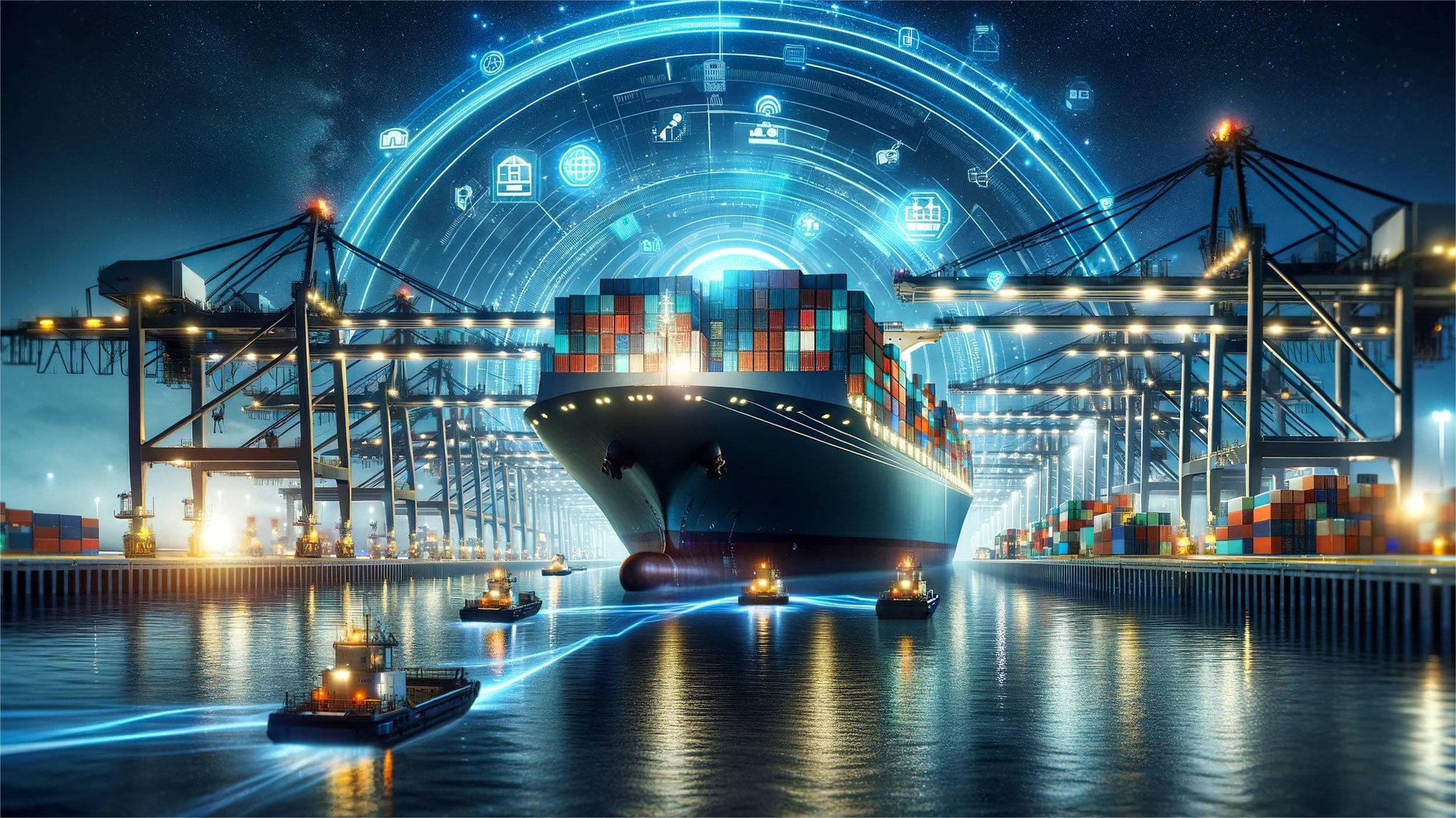
Moreover, technological advancements in port automation are expected to improve cargo handling efficiency at both Chinese and French terminals. Digitalization of the supply chain allows for better visibility, enabling importers to track their containers in real-time with higher precision. Additionally, the integration of AI-driven predictive analytics helps in forecasting potential delays caused by weather or port congestion. Indeed, staying ahead in 2026 requires a proactive approach to technology adoption within your logistics framework.
Recent data indicates that freight rates have stabilized after the 2025 Red Sea recovery, though seasonal fluctuations remain a factor. For instance, the August to October peak season typically sees a rise in demand as retailers prepare for the winter holidays. Therefore, securing capacity early through long-term contracts or reliable freight forwarders is essential for maintaining budget predictability. Meanwhile, the expansion of new vessel capacity in the global fleet may provide some downward pressure on base ocean freight rates during the second half of 2026.
How Does Sea Freight Compare to Other Shipping Options?
Choosing the right transportation mode depends heavily on your budget, timeline, and cargo characteristics. While ocean transport is the backbone of international trade, other methods like air freight or rail freight offer distinct advantages for specific scenarios. In contrast to the speed of air travel, sea freight provides the lowest cost per unit for heavy or bulky goods. However, the longer transit times require careful inventory management and longer lead times.
Rail freight has emerged as a viable middle ground, offering faster delivery than the ocean but at a lower price point than air. Nevertheless, sea freight remains the dominant choice for shipments exceeding 15 cubic meters due to its massive capacity. For urgent shipments or high-value electronics, air transport might be the only logical choice despite the significantly higher expense. To summarize, each method serves a specific purpose in a diversified logistics strategy.
| Shipping Method | Cost Range | Transit Time | Best For |
|---|---|---|---|
| Sea Freight (FCL) | $3,000 – $4,500 | 30 – 40 Days | Bulk goods and large volumes |
| Sea Freight (LCL) | $80 – $150/CBM | 35 – 45 Days | Small shipments under 15 CBM |
| Rail Freight | $4,500 – $6,500 | 18 – 22 Days | Mid-value goods needing speed |
| Air Freight | $4.50 – $8.00/kg | 5 – 8 Days | Urgent, perishable, or high-value |
Which Option Should You Choose?
Determining the best shipping strategy involves evaluating several key criteria tailored to your business needs. If your primary goal is budget priority, we recommend opting for sea freight, specifically Full Container Load (FCL) for volumes over 20 cubic meters. On the other hand, if speed is your top priority, air freight is the undisputed leader for time-sensitive cargo. For businesses balancing both, hybrid solutions like sea-air combinations or rail services can optimize both cost and delivery speed.
Cargo type considerations also play a major role in the decision-making process. For example, hazardous materials or oversized industrial equipment are often restricted to specialized sea freight vessels. Volume thresholds are equally important; once a shipment reaches a certain size, the cost savings of sea freight become too significant to ignore. Without a doubt, a comprehensive analysis of your landed cost is necessary before committing to a specific shipping route.
Major Ports for China to France Sea Freight 2026
Shipping routes between China and France typically utilize the world’s most advanced port infrastructures. Major Chinese loading ports include Shanghai, Ningbo-Zhoushan, and Shenzhen, which handle the bulk of European-bound exports. These ports offer frequent departures and competitive rates due to their high volume and efficient cargo handling capabilities. Furthermore, the Port of Shanghai remains the busiest container port globally, providing unmatched connectivity to French destinations.
In France, the primary discharge points are the Port of Marseille-Fos and the Port of Le Havre. Marseille serves as the main gateway for the Mediterranean and Southern France, while Le Havre handles the majority of cargo destined for Paris and Northern France. Additionally, smaller ports like Dunkirk and Bordeaux offer alternative options for specific regional distributions. Notably, choosing the port closest to your final destination can significantly reduce inland trucking costs and total door-to-door transit time.
| Origin Port | Destination Port | Avg. Transit Time | Direct/Transship |
|---|---|---|---|
| Shanghai | Le Havre | 32 Days | Direct |
| Shenzhen | Marseille | 28 Days | Direct |
| Ningbo | Le Havre | 35 Days | Transshipment |
| Qingdao | Marseille | 38 Days | Transshipment |
Factors Affecting China to France Sea Freight 2026 Costs
Several variables influence the final price you pay for ocean transportation. Fuel surcharges, often referred to as Bunker Adjustment Factors (BAF), fluctuate based on global oil prices and new environmental fuel mandates. Consequently, these surcharges can change monthly, impacting the total freight cost. Moreover, peak season surcharges are common during high-demand periods, such as the lead-up to the Golden Week holiday in China or the European Christmas season.
Currency fluctuations between the US Dollar, Chinese Yuan, and Euro also play a role in pricing stability. Since most international freight is quoted in USD, a strong dollar can increase the cost for European importers. Additionally, port congestion or labor strikes at either origin or destination can lead to unexpected detention and demurrage charges. Therefore, building a buffer into your logistics budget is a wise strategy for 2026. Note: Freight rates are subject to change based on fuel costs, carrier capacity, and seasonal demand. Contact us for a current quote tailored to your specific shipment.
Realistic Case Studies for 2026 Shipments
Case Study 1: Electronics Distribution. Route: Shenzhen, China to Marseille, France. Cargo: Consumer electronics, 65 CBM, 12,000 kg. Container: 1x40HQ. Shipping Details: Carrier: Major carrier, Port of Loading: Shenzhen (Yantian), Port of Discharge: Marseille-Fos, Route Type: Direct. Cost Breakdown: Ocean Freight: $3,850, Origin Charges: $450, Destination Charges: $600, Customs and Duties: $1,200, Total Landed Cost: $6,100. Timeline: Booking to Loading: 4 days, Sea Transit: 28 days, Customs Clearance: 2 days, Total Door-to-Door: 38 days. Key Insight: Direct routing to Marseille saved 5 days compared to transshipping through Northern European ports.
Case Study 2: Home Furniture Retailer. Route: Ningbo, China to Le Havre, France. Cargo: Wooden furniture, 8 CBM, 2,500 kg. Container: LCL 8 CBM. Shipping Details: Carrier: Consolidation service, Port of Loading: Ningbo, Port of Discharge: Le Havre, Route Type: Transshipment via Singapore. Cost Breakdown: Ocean Freight: $960 ($120/CBM), Origin Charges: $200, Destination Charges: $350, Customs and Duties: $800, Total Landed Cost: $2,310. Timeline: Booking to Loading: 6 days, Sea Transit: 36 days, Customs Clearance: 3 days, Total Door-to-Door: 48 days. Key Insight: Utilizing a door to door service simplified the complex LCL logistics for the small business owner.

Customs Brokerage and Documentation Checklist
Navigating French customs requires meticulous attention to detail and accurate documentation. Every shipment must be accompanied by a Commercial Invoice, Packing List, and a Bill of Lading. Furthermore, specific goods may require certificates of origin or compliance documents like CE marking for electronics. Engaging a professional customs brokerage service is highly recommended to avoid costly delays and penalties at the border.
Importers must also be aware of the European Union’s Value Added Tax (VAT) and import duty structures. In 2026, the EORI (Economic Operators Registration and Identification) number remains a mandatory requirement for all businesses importing into France. Additionally, the new Import Control System 2 (ICS2) requires detailed advance cargo information for security purposes. Transitioning to these digital systems is mandatory for all international shippers. Consequently, ensuring your paperwork is digital-ready will expedite the clearance process significantly.
Final Thoughts on 2026 Maritime Logistics
Successfully managing China to France sea freight 2026 requires a blend of strategic planning, market awareness, and technological integration. By understanding the nuances of port selection, container types, and customs requirements, businesses can significantly reduce costs and improve delivery reliability. Moreover, staying adaptable to seasonal shifts and market trends will ensure your supply chain remains competitive in the evolving global landscape.
Reliability and transparency are the cornerstones of modern logistics. As we move through 2026, the focus on sustainable shipping and digital visibility will only continue to grow. Partnering with an experienced freight forwarder allows you to navigate these changes with confidence. To summarize, proactive management of your ocean freight operations is the key to long-term success in the China-France trade corridor.
Start Your Shipment
Optimizing your China to France sea freight 2026 strategy starts with a reliable logistics partner. Whether you are shipping full containers or smaller LCL loads, our team provides tailored solutions to meet your specific business needs. Visit Logistics From China today to request a comprehensive quote and secure your 2026 shipping capacity. Send Inquiry: Visit https://logisticsfromchina.com/contact-us/
Request Quote