

China to Mexico Logistics Company Quotation: 2026 Shipping Guide
China to Mexico logistics company quotation requests have reached record volumes in 2026 as global trade corridors shift toward Latin American markets. Navigating the complexities of international shipping requires a reliable partner like Logistics From China to ensure your goods arrive safely and on schedule. Moreover, understanding the variables that impact your final price will help you optimize your supply chain efficiency. Consequently, this guide provides a comprehensive breakdown of current market rates, shipping methods, and strategic alternatives for your next shipment.

Why a China to Mexico Logistics Company Quotation is Essential
Securing an accurate China to Mexico logistics company quotation is the first step toward a successful import operation. Without a detailed breakdown of costs, businesses often face unexpected surcharges that erode profit margins.
Furthermore, a professional quote allows you to compare different service levels and select the one that aligns with your delivery deadlines. Indeed, the transparency provided by a reputable forwarder helps in planning your annual logistics budget more effectively.
Additionally, market fluctuations in 2026 demand that importers stay informed about current fuel surcharges and seasonal capacity constraints. Therefore, requesting multiple quotes for different shipping scenarios is a best practice for modern supply chain managers.
Factors Influencing Your China to Mexico Logistics Company Quotation
Several critical factors determine the final price of your logistics services when moving goods across the Pacific. Specifically, the weight and volume of your cargo play the most significant role in calculating freight rates.
Moreover, the choice of transportation mode significantly impacts both the cost and the speed of delivery. While sea freight remains the most economical choice for bulk items, air freight offers unmatched speed for high-value electronics or urgent inventory.
Consequently, seasonal trends such as the peak period before the holiday season often lead to price spikes. Importers should also consider the impact of port congestion and labor availability at major Mexican hubs like Manzanillo and Lazaro Cardenas.
Impact of Incoterms on Shipping Costs
Understanding Incoterms is vital because they define whether the buyer or the seller is responsible for specific costs and risks. For instance, an EXW quote requires the importer to handle everything from the factory floor to the final destination.
Alternatively, choosing FOB terms means the seller covers the costs until the goods are loaded onto the vessel. Therefore, you must clearly specify your preferred Incoterms when requesting a China to Mexico logistics company quotation.
How Does Sea Freight Compare to Other Shipping Options?
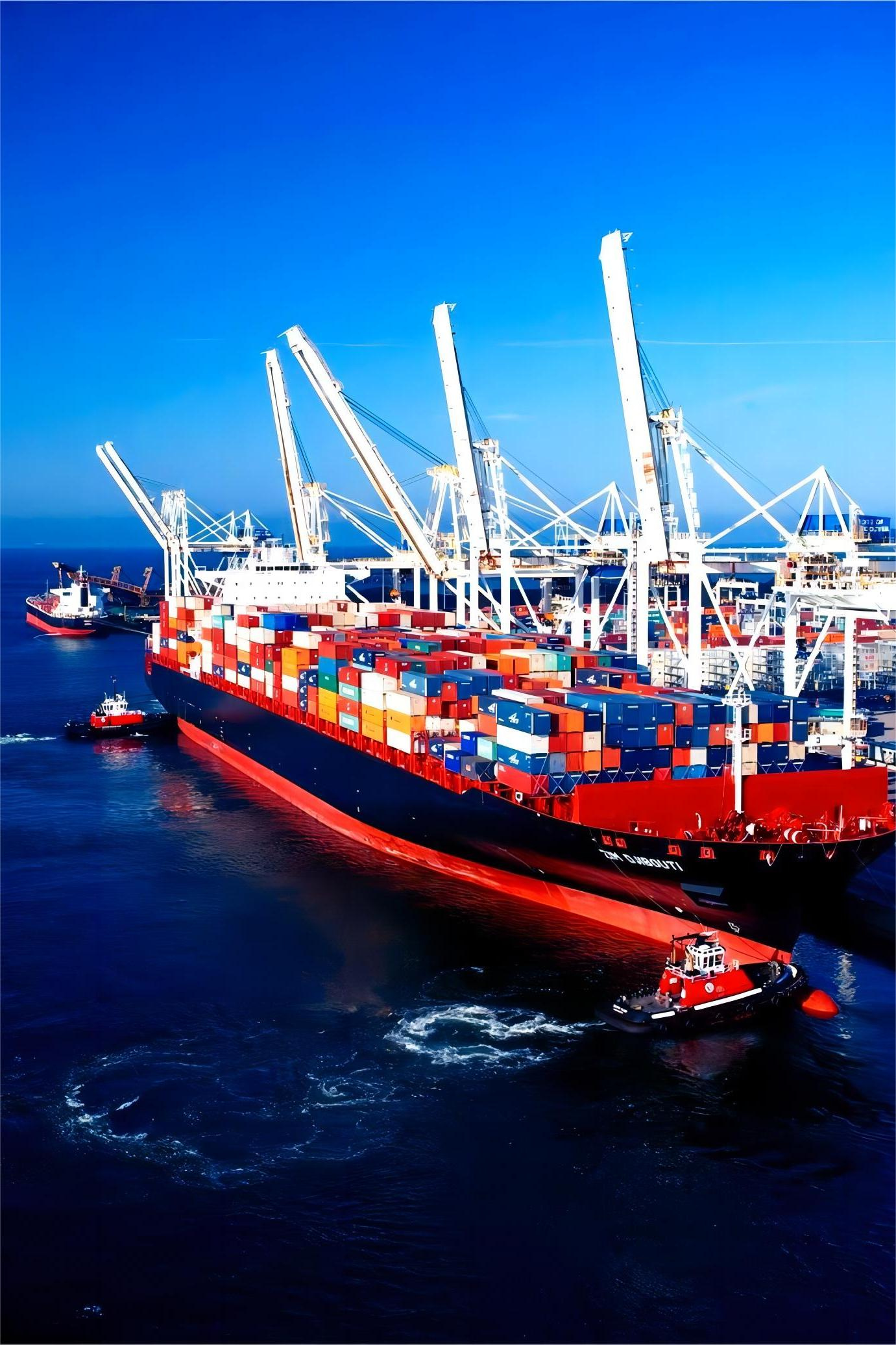
Analyzing your options is crucial for cost control, especially when dealing with large-scale manufacturing imports. Sea freight is the backbone of the China-Mexico trade route, handling over 90 percent of total cargo volume.
However, it is not always the best solution for every business need. For example, smaller shipments might benefit more from express services or air freight despite the higher price point per kilogram.
Meanwhile, hybrid solutions like sea-air routes via Los Angeles have gained popularity in 2026 for those seeking a middle ground. This section provides an objective analysis of all viable alternatives for this specific international route.
| Shipping Method | Cost Range (USD) | Transit Time | Best For |
|---|---|---|---|
| Full Container (FCL) | 3,200 – 4,600 | 22 – 30 Days | Bulk inventory |
| Less than Container (LCL) | 80 – 150 per CBM | 28 – 35 Days | Small batches |
| Air Freight | 4.50 – 7.50 per KG | 5 – 8 Days | Urgent cargo |
| Express Service | 9.00 – 14.00 per KG | 3 – 5 Days | Samples/Docs |
Alternative Strategy Requirements and Cost Saving
Developing a flexible logistics strategy allows businesses to pivot when market conditions change suddenly. For each shipping scenario, we suggest at least two alternative approaches to maximize efficiency.
Specifically, if sea freight rates to Manzanillo are too high, consider routing cargo through the Port of Ensenada and trucking it south. This alternative can sometimes bypass congestion and save on local port fees during peak seasons.
In addition, consolidating multiple small orders into a single FCL shipment is a proven cost-saving strategy. While LCL is convenient, the per-unit cost of FCL is almost always lower once you exceed 15 cubic meters of cargo volume.
| Strategy | Cost Impact | Time Impact | Risk Level |
|---|---|---|---|
| Direct Sea Route | Standard | Fastest Sea | Low |
| Transshipment via Panama | -15 percent | +7 Days | Medium |
| Sea-Air Hybrid | +45 percent | -12 Days | Medium |
When to Choose Air Freight for Rapid Delivery
Selecting air freight is often a strategic decision rather than just an emergency measure. In 2026, many high-tech firms use air transport to maintain lean inventory levels and respond quickly to Mexican market demands.
Undoubtedly, the higher cost is offset by the reduction in warehousing fees and the increased speed of capital turnover. Furthermore, air shipping provides a higher level of security for sensitive or high-value items compared to ocean transit.
Consequently, businesses should evaluate the total landed cost rather than just the freight rate when making this choice. Often, the benefits of getting a product to market three weeks earlier outweigh the additional shipping expenses.
Navigating Customs Brokerage and Import Regulations
Managing the legal requirements of Mexican customs is perhaps the most challenging aspect of the logistics process. Utilizing a professional customs brokerage service ensures that your documentation is perfect and your duties are calculated correctly.
Mexican authorities are known for strict inspections and specific labeling requirements under NOM standards. Therefore, failing to comply with these regulations can result in heavy fines or even the seizure of your entire shipment.
Moreover, having a broker who understands the 2026 trade agreements between China and Mexico can help you leverage preferential tariff rates. Indeed, proactive compliance is the best way to avoid costly delays at the border or port of entry.

Door to Door Logistics: From Factory to Mexican Warehouse
Simplifying your supply chain is possible through comprehensive door to door services. This model allows the logistics provider to manage every step, from the initial pickup in China to the final delivery in Mexico City or Monterrey.
Additionally, this approach reduces the administrative burden on your staff, as you only have to deal with a single point of contact. Consequently, you gain better visibility over your shipment’s progress through integrated tracking systems.
Furthermore, door to door solutions often include insurance and local trucking, providing a seamless experience for importers. While the service fee might be slightly higher, the peace of mind and time saved are invaluable for growing businesses.
Real-World Case Studies: China to Mexico Shipping 2026
Reviewing actual shipping scenarios helps importers understand the practical application of different logistics strategies. These cases reflect the current 2026 market conditions and provide verifiable details on costs and timelines.
Specifically, these examples highlight how different cargo types and volumes require tailored approaches to achieve the best results. By examining these outcomes, you can better estimate the requirements for your own upcoming shipments.
Case Study 1: Electronics from Shenzhen to Mexico City
Case Study 1: Urgent Tech Launch Route: Shenzhen, China to Mexico City, Mexico Cargo: High-end Smartphones, 2.5 CBM, 480 kg Service: Air Freight Shipping Details: – Carrier/Service: Major Air Carrier – Port of Loading: Shenzhen Baoan (SZX) – Port of Discharge: Mexico City (MEX) – Route Type: Direct Cost Breakdown: – Air Freight: 3,600 USD – Origin Charges: 250 USD – Destination Charges: 320 USD – Customs and Duties: 1,800 USD – Total Landed Cost: 5,970 USD Timeline: – Booking to Loading: 2 days – Air Transit: 2 days – Customs Clearance: 2 days – Total Door-to-Door: 6 days Key Insight: Speed was prioritized over cost to meet a product launch date. High-value cargo justified the air freight expense. Based on Q1 2026 market rates.
Case Study 2: Industrial Machinery from Ningbo to Manzanillo
Case Study 2: Manufacturing Expansion Route: Ningbo, China to Manzanillo, Mexico Cargo: CNC Machinery, 28 CBM, 12,000 kg Container: 40HQ (Full Container Load) Shipping Details: – Carrier/Service: COSCO – Port of Loading: Ningbo-Zhoushan – Port of Discharge: Manzanillo – Route Type: Direct Cost Breakdown: – Ocean Freight: 4,100 USD – Origin Charges: 450 USD – Destination Charges: 580 USD – Customs and Duties: 2,400 USD – Total Landed Cost: 7,530 USD Timeline: – Booking to Loading: 5 days – Sea Transit: 26 days – Customs Clearance: 4 days – Total Door-to-Door: 35 days Key Insight: Utilizing FCL provided the lowest cost per unit for heavy machinery. Direct routing avoided transshipment delays in Panama. Typical rates as of early 2026.
Which Option Should You Choose? Decision Framework
Choosing the right logistics path depends entirely on your specific business priorities and cargo characteristics. If your primary goal is budget optimization, sea freight remains the undisputed leader for shipments over 2 cubic meters.
Conversely, if you are shipping perishable goods or high-demand fashion items, the speed of air freight is non-negotiable. Therefore, we recommend a balanced approach where you split your inventory between different modes to mitigate risks.
Finally, always consider the volume thresholds. For shipments under 100kg, express services are usually the most cost-effective. Once you exceed 500kg, air freight becomes more viable, and beyond 2 CBM, sea freight LCL starts to make financial sense.
Final Thoughts on Shipping to Mexico
Successfully managing imports in 2026 requires more than just finding the lowest price. It demands a comprehensive China to Mexico logistics company quotation that accounts for transit times, customs compliance, and reliable last-mile delivery. By understanding the various shipping methods and alternative strategies discussed in this guide, you can make informed decisions that protect your bottom line. Remember that the cheapest option is rarely the best if it results in damaged goods or missed deadlines. Partnering with an experienced logistics provider ensures your business remains competitive in the dynamic Mexican market.
Need a tailored shipping solution?
Ready to optimize your supply chain with a professional China to Mexico logistics company quotation? Contact our expert team today to receive a personalized shipping strategy that saves you time and money. Send Inquiry