


Ocean Freight Logistics Solutions: 2026 Global Shipping Guide
Navigating the complexities of international trade requires robust ocean freight logistics solutions that ensure your cargo arrives safely and on time. Many businesses struggle with fluctuating maritime costs and port congestion, yet choosing the right partner simplifies the entire supply chain. Visit Logistics From China to discover how professional freight management can transform your import operations in 2026.
Why Are Ocean Freight Logistics Solutions Vital for 2026 Trade?
Maritime transport remains the backbone of the global economy, handling over 80 percent of international trade volume. Consequently, businesses rely on these services to move massive quantities of goods across oceans at a fraction of the cost of air transport. Modern shipping networks have evolved to include smarter tracking and more efficient fuel usage, making them more reliable than ever before.

Furthermore, the stability of the 2026 market allows for better long-term planning regarding inventory and distribution. Companies that integrate comprehensive sea freight strategies often see a significant reduction in their overall landed cost. This economic advantage enables small and medium enterprises to compete on a global scale by maintaining healthy profit margins.
Additionally, the environmental impact of shipping has become a primary concern for modern corporations. New regulations in 2026 have pushed carriers to adopt green fuels and slow-steaming techniques, which balance ecological responsibility with logistical efficiency. Therefore, choosing a forwarder who understands these evolving trends is essential for sustainable business growth.
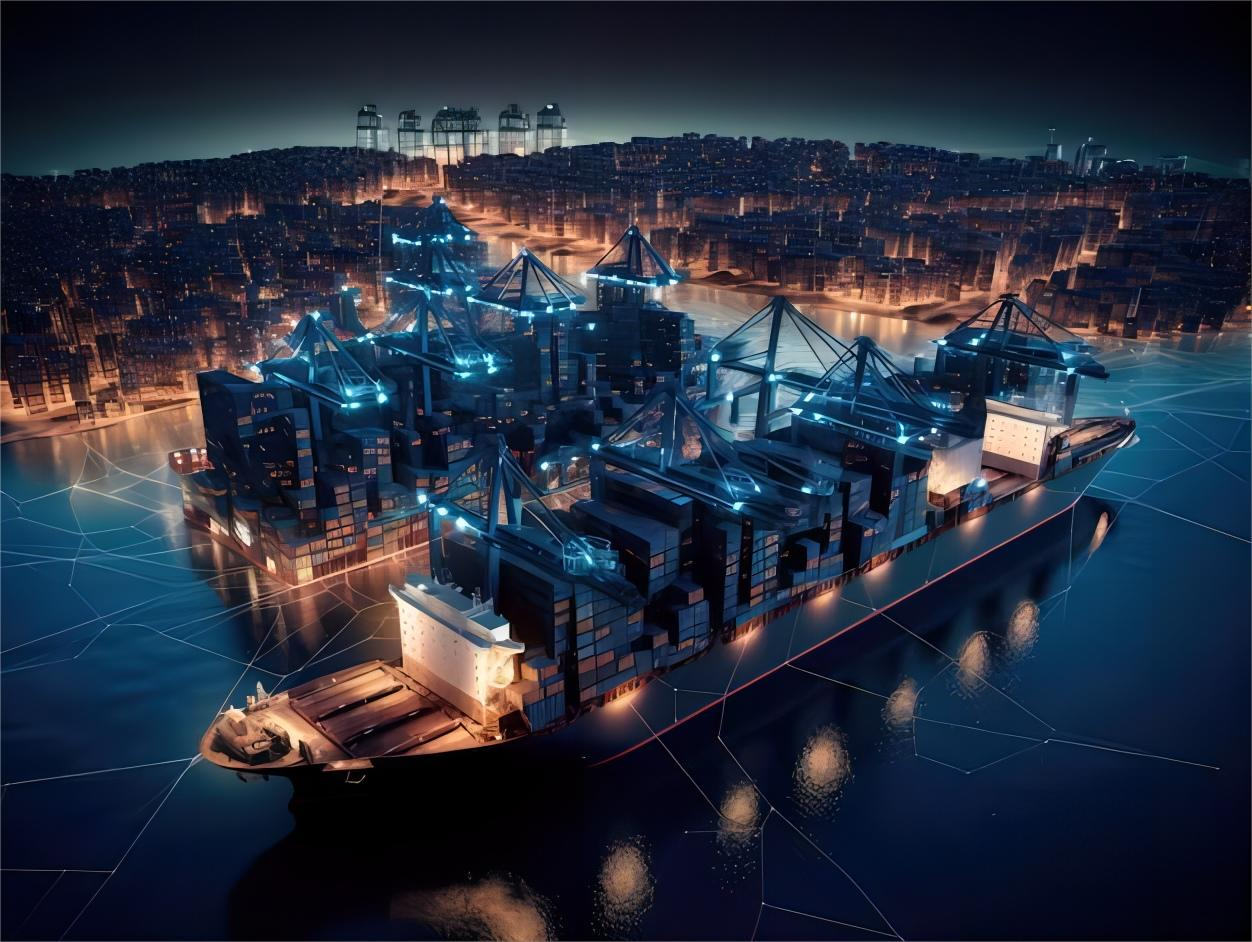
How Does Ocean Freight Compare to Other Shipping Options?
Selecting the most appropriate shipping method depends heavily on your specific budget, timeline, and cargo volume. While ocean freight provides the lowest cost per unit for large shipments, it requires longer lead times compared to faster alternatives. In contrast, air freight offers rapid delivery but comes with a premium price tag that may not suit bulky or low-value items.
Moreover, rail freight has emerged as a middle-ground solution for transcontinental routes between Asia and Europe. It offers a balance between speed and cost, though it lacks the massive capacity of a container ship. For businesses shipping from China to North America, ocean freight remains the primary choice due to the lack of direct rail links across the Pacific.
According to industry benchmarks, ocean transport is nearly four to six times cheaper than air transport for the same volume of goods. However, the transit time for sea routes can range from two to six weeks depending on the destination and port efficiency. Consequently, advanced planning is the key to successfully utilizing maritime logistics without disrupting your supply chain.
| Shipping Method | Cost Range | Transit Time | Best For |
|---|---|---|---|
| Ocean Freight | Low ($1,500 – $4,500) | 14 – 45 Days | Bulky/Heavy Cargo |
| Air Freight | High ($5,000 – $20,000+) | 3 – 7 Days | Urgent/High-Value |
| Rail Freight | Medium ($2,500 – $5,500) | 15 – 22 Days | China to Europe |
| Express Service | Very High (Per KG) | 2 – 5 Days | Samples/Small Parcels |
What Are the Differences Between FCL and LCL Shipping?
Understanding the distinction between Full Container Load (FCL) and Less than Container Load (LCL) is crucial for optimizing your shipping budget. FCL involves renting an entire 20-foot or 40-foot container for your exclusive use, which provides maximum security and faster handling. This option is ideal for businesses with enough volume to fill at least 15 cubic meters of space.
On the other hand, LCL allows multiple shippers to share space within a single container. This method is highly cost-effective for smaller shipments that do not justify the cost of a full container. Nevertheless, LCL shipments often face longer transit times because the forwarder must consolidate and de-consolidate cargo at both ends of the journey.
Indeed, FCL shipping reduces the risk of damage since the container remains sealed from the point of origin to the final destination. Meanwhile, LCL cargo undergoes more frequent handling, which necessitates superior packaging and labeling. Shippers should evaluate their monthly volumes to determine if consolidating multiple small orders into one FCL shipment could yield higher savings.
The Critical Role of Customs Brokerage in Ocean Logistics
Navigating the legal requirements of international trade is perhaps the most challenging aspect of global logistics. Each country maintains strict regulations regarding documentation, tariffs, and restricted items. Consequently, professional customs brokerage services are indispensable for avoiding costly delays and legal penalties at the border.
Moreover, the landscape of trade agreements is constantly shifting, with new 2026 digital filing requirements now in full effect. A skilled broker ensures that all paperwork, including the Bill of Lading and Commercial Invoice, is accurate and submitted on time. This proactive approach prevents your cargo from being held in port, which can incur significant demurrage and detention fees.
Furthermore, experienced brokers can often identify opportunities for duty drawbacks or tariff reclassifications that save your business money. They act as a liaison between your company and government agencies, providing peace of mind throughout the transit process. Without this expertise, even the most efficient shipping route can be derailed by a single administrative error.
Managing Door to Door Logistics from China
Modern businesses increasingly demand seamless integration from the factory floor to the final warehouse. Implementing a door to door solution eliminates the need for the importer to manage multiple local trucking companies and port agents. This comprehensive service covers pickup, ocean transit, customs clearance, and final mile delivery in one single package.
Additionally, this model provides superior visibility through centralized tracking systems that monitor the cargo at every milestone. Instead of communicating with four different entities, you have a single point of contact for your entire shipment. As a result, communication errors are minimized, and the risk of lost or misplaced cargo is significantly reduced.
For companies shipping to North America, door-to-door services are particularly valuable due to the complexity of inland drayage. Navigating the logistics of moving a container from a West Coast port to a Midwest distribution center requires local expertise and reliable carrier contracts. Professional logistics providers handle these details, allowing you to focus on sales and marketing.
Ocean Freight Logistics Solutions for Amazon FBA Sellers
Ecommerce giants and independent sellers alike must adhere to strict delivery windows and labeling standards. Utilizing specialized Amazon FBA shipping services ensures that your inventory meets all platform requirements before it reaches the fulfillment center. This specialized niche of ocean freight focuses on speed-to-market and precise scheduling to prevent stockouts.
Furthermore, many providers now offer prep services in China, such as kitting, bundling, and FNSKU labeling. This strategy reduces labor costs and ensures that products are ready for immediate sale upon arrival. Consequently, sellers can maintain a leaner supply chain by bypassing their own warehouses and shipping directly to Amazon’s network.
However, sellers must be mindful of the peak seasons, typically running from August through October, when freight rates can rise by 20 percent. Planning your inventory flow at least three months in advance is recommended to secure space on vessels and avoid the highest surcharges. In 2026, data-driven forecasting has become the primary tool for successful FBA entrepreneurs.

Real Case Studies: Ocean Freight in Action
Case Study 1: Electronics Distribution to Europe. A Shenzhen-based manufacturer needed to move 45 cubic meters of consumer electronics to Hamburg, Germany. By opting for a 40GP FCL shipment instead of LCL, they saved 12 percent on total shipping costs and reduced transit time by 5 days. The total door-to-door time was 34 days, with a landed cost of $4,200 excluding duties.
Case Study 2: Furniture Import to Australia. A retailer in Melbourne ordered a variety of outdoor furniture from Ningbo. Because the total volume was only 8 CBM, they utilized an LCL service. Despite the consolidation process, the goods arrived in 18 days at a cost of $95 per CBM. This allowed the retailer to maintain low inventory levels without the expense of a full container.
Case Study 3: Industrial Machinery to the USA. A factory in Shanghai shipped a heavy CNC machine to Chicago using a 20GP container. The route involved ocean transit to Los Angeles followed by rail drayage to the Midwest. Total transit time was 28 days, and the integrated logistics solution handled all complex customs filings for the specialized equipment.
Which Option Should You Choose? Decision Framework
Determining the best logistics path requires an objective analysis of your business priorities and cargo characteristics. If your primary goal is cost minimization and you have flexible deadlines, ocean freight is the undisputed winner. However, if you are launching a new product or responding to an unexpected surge in demand, a hybrid sea-air solution might be more appropriate.
Moreover, consider the nature of your goods; perishable or high-security items may require the speed of air or the dedicated space of FCL. For shipments between 10 and 15 CBM, always request quotes for both LCL and a 20GP container, as the price difference is often negligible. In some cases, the added security of a full container justifies a small price increase over LCL rates.
Note: Freight rates are subject to change based on fuel costs, carrier capacity, and seasonal demand. Contact us for a current quote tailored to your specific shipment.
Optimizing Your Future with Professional Logistics
In conclusion, mastering ocean freight logistics solutions is essential for any business engaged in international trade in 2026. By understanding the nuances of FCL versus LCL and the importance of customs brokerage, you can significantly reduce costs and improve delivery reliability. Furthermore, leveraging integrated door-to-door services allows you to focus on your core business while experts handle the heavy lifting.
Indeed, the global shipping landscape continues to evolve with new technologies and environmental standards. Staying informed and partnering with a reliable freight forwarder ensures that your supply chain remains resilient against market fluctuations. Start optimizing your maritime strategy today to secure a competitive advantage in the global marketplace.
Get Your Shipping Quote Today
Ready to streamline your global supply chain with expert ocean freight logistics solutions? Contact our team today for a customized quote and experience hassle-free shipping from China to any global destination. Visit Logistics From China to get started.
Request Quote